
Known for its rigidity and aesthetic appeal, an inner ficus bonsai can thrive in a variety of indoor surroundings when duly maintained. Understanding how to choose the right indoor ficus bonsai is the first step toward creating a healthy and visually appealing green space.

The Best Indoor Ficus Bonsai Varieties
It is not just the look and appearance that need to be kept in mind while selecting an indoor ficus bonsai tree. The ability and compatibility of the tree with indoor growing conditions also need to be kept in mind. The following are some of the best varieties of indoor ficus bonsai trees that can be grown indoors:
(1) Chinese Banyan – The Classic Inner Ficus Bonsai
Ficus microcarpa is one of the most popular indoor ficus bonsai kinds, generally set up in homes and offices.
Advantages:
- largely adaptable and tolerant of low light conditions
- Easy to maintain due to small leaves
- Strong forbearance to oscillations in watering and moisture
Stylish for newcomers or those with limited factory care experience
(2) Ginseng Ficus – The Stylish Choice for Newcomers
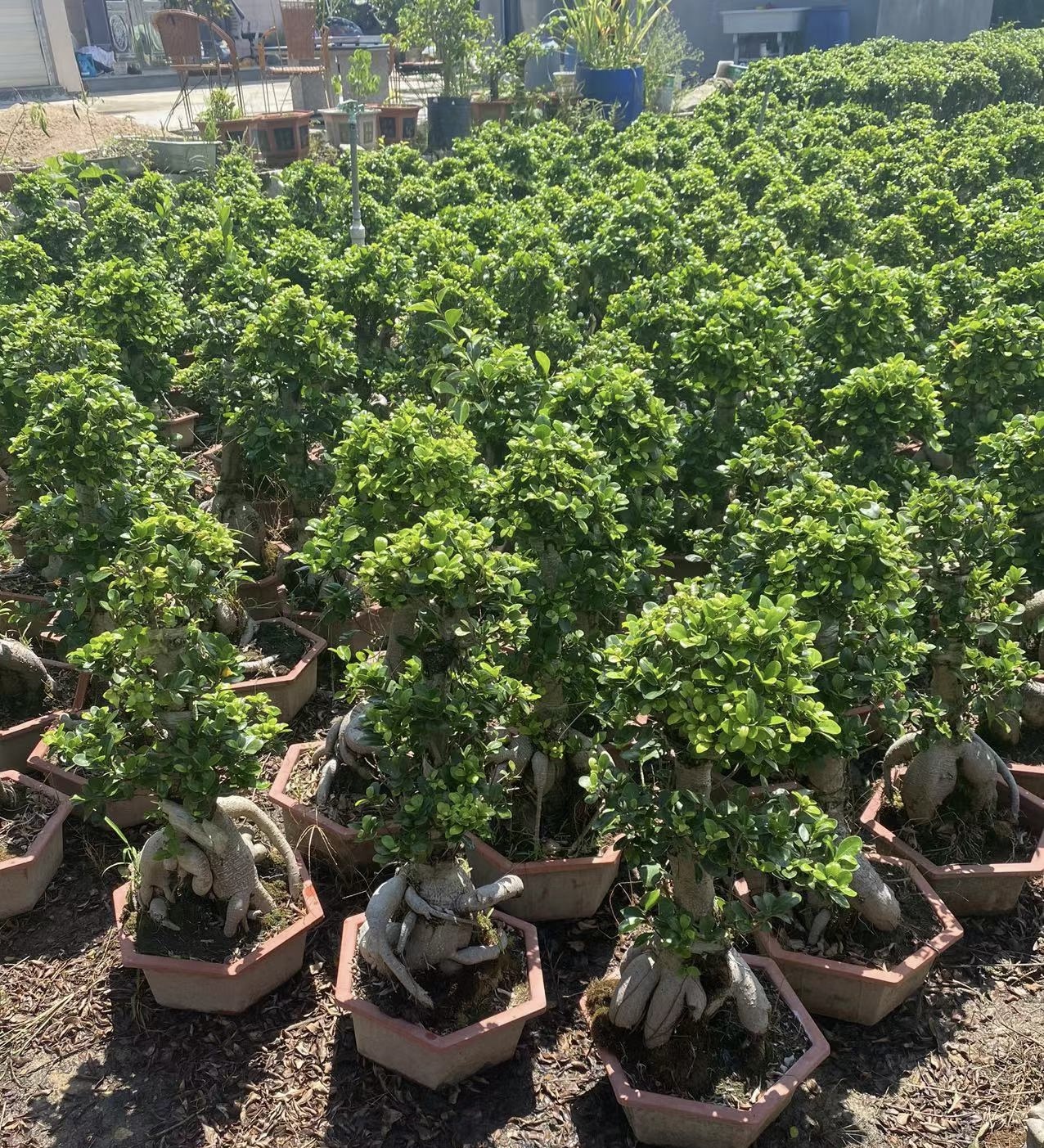
Ginseng ficus gets its name from its thick, exposed roots and has become a trendy indoor ficus bonsai in recent times.
Advantages:
- Unique root shape with strong visual appeal
- Hardy and resistant to stress
- Excellent rigidity of the inner surroundings
Stylish for druggies seeking low- conservation yet ornamental shops
(3) Ficus benjamina – Elegant but Slightly Sensitive
Ficus benjamina is known for its graceful branches and delicate leaves, making it a favorite indoor ficus bonsai for decoration.
Characteristics:
- Light and elegant appearance, ideal for interior styling
- Sensitive to changes in light and terrain
- May drop leaves when moved or exposed to unforeseen changes
Stylish for People with some bonsai care experience
(4) Grafted Ficus Bonsai – A Premium Cultural Choice
Grafted inner ficus bonsai kinds offer further creative and complex shapes, such as multi-trunk or exposed- root designs.
Advantages:
- High cultural value, perfect for decoration in the interior décor
- Customizable to match different design styles
Stylish for druggies with advanced aesthetic prospects

Indoor Care Tips for Different Types
Although there are differences in the types of indoor ficus bonsai, their characteristics are quite similar. Therefore, here are some tips to care for your indoor bonsai tree:
1. Light Management
- Follow the “water when dry” principle
- Ficus benjamina: Sensitive to light changes; keep in a stable location
- Ginseng ficus: Tolerates low light but benefits from moderate exposure
2. Watering Tips
- Water your bonsai when the soil is dry
- Don’t overwater your bonsai, as it may cause root spoilage
- Water your bonsai less during downtime
3. Temperature and moisture
- Ideal temperature 18- 28 °C
- Don’t expose your bonsai to cold drafts and unforeseen temperature changes
- Mist your bonsai to increase moisture
4. Pruning and Shaping
- pare your bonsai regularly to maintain shape
- Light pruning and shaping are allowed during the growing season
- Avoid excessive pruning at one time
With proper care, your indoor ficus bonsai can remain healthy and visually appealing for many years.
Why can’t Temperate (Non-Tropical) bonsai be grown indoors?
This is one of the most asked questions from new bonsai enthusiasts. How should we care for bonsai varieties that cannot be grown indoors? When compared to indoor ficus bonsai, temperate bonsai varieties have higher requirements due to their natural environment.
Reasons for Not Growing Temperate Bonsai Indoors:
(1) Insufficient Light
Temperate bonsai need direct sunlight to grow. However, this requirement cannot be fulfilled indoors.
(2) Lack of Seasonal Changes
Temperate bonsai needs seasonal change, especially in winter.
(3) Insufficient Air Circulation
Temperate bonsai cannot get sufficient air circulation indoors. This leads to diseases in bonsai.
(4) Humidity Mismatch
The indoor environment does not have the necessary change in humidity, which is also essential for temperate bonsai.
On the contrary, indoor ficus bonsai are tropical plants that can be grown indoors.
How to Choose the Right Indoor Ficus Bonsai
After understanding the different types of bonsai, it becomes easier to choose the right indoor ficus bonsai for your home or office.
1. Based on Light Conditions
- Highlight conditions: Select ginseng ficus bonsai or ficus microcarpa bonsai
- Low-light conditions: Select a Ficus benjamina bonsai or intricate bonsai designs
2. Based on Maintenance Time
- Limited time: Choose hardy varieties like ginseng ficus
- More experience: Try more sensitive varieties
3. Based on Space Size
- Small spaces: Choose compact or single-trunk bonsai
- Larger spaces: Opt for multi-trunk or larger designs
4. Based on Interior Style
- Modern interior style: Select bonsai with clean designs
- Conventional interior style: Select bonsai with intricate designs, exposed roots, etc.
FAQ
Q1: How often should I repot my indoor ficus bonsai?
A1 The repotting process for an indoor ficus bonsai needs to be carried out once every 1 to 2 times, depending on the growth rate of the bonsai. However, it’s also time to repot your bonsai if the roots have engulfed the entire pot or if the drainage system is poor. Repotting in early spring is largely recommended.
Q2: Can an indoor ficus bonsai survive without pruning?
Not recommended. The factory may turn leggy and may lose its form if not pruned.
Q3: How can I tell if my inner ficus bonsai is overwatered or underwatered?
- For Underwatered, the leaves are soft and hanging. The soil is dry.
- For Overwatered, the leaves are yellowing. There’s a bad smell from the roots.
- It’s stylish to check the soil’s humidity position 2 to 3 cm beneath the soil’s surface.
Conclusion
In conclusion, the species to be employed are the key to having a beautiful indoor ficus bonsai. From the quantum of light to the frequency of watering, all aspects are important in keeping the bonsai in perfect condition. Comparing it to other bonsai species, the inner ficus bonsai is still one of the most stylish bonsai trees to be kept indoors due to its high rigidity.
Still, it’s largely recommended to consult a professional to achieve better results. Wulala Garden is an experienced garden landscaping company trusted by many customers, offering expert support in plant selection, care, and design. With their professional advice, you can fluently produce a perfect inner bonsai terrain and keep your inner ficus bonsai in perfect condition.