
Being a horticulturist, ficus ginseng bonsai pruning is not just maintenance and aesthetics, but it also speaks of health. The main idea behind bonsai pruning is to shape it, direct its nutrient flow, and promote its health, while keeping it in its small confines in the bonsai pot. The Ficus Ginseng has those exposed roots, and it does grow a lot, so if not pruned, it gets out of hand literally due to its branches, leaves, and lack of air flow, which speaks much about health and beauty.
From a professional point of view, to prune a ficus ginseng bonsai is an act done thoughtfully in observation, timing, and long-term planning—not a one-time trimming task.
Why is ficus ginseng bonsai pruning important?
Pruning a ficus ginseng bonsai tree, being a horticulturist, requires careful and deliberate consideration, planning, and timing. Its importance is manifested in several areas.
- Maintaining proper proportions and shape
The ficus ginseng bonsai is a fast-growing plant. So if I don’t trim it, the branches will be very long. They will be too large and overpower the plant itself. Pruning will keep its branches in good shape and structure, so that they are stronger by concentrating on their main structure or body. - Promoting healthy growth
Ficus ginseng bonsai pruningis important since the process helps the plant avoid the consumption of excess nutrients by the branches. This allows nutrients to be redirected to the main structure, strengthening the tree and encouraging more even and controlled new growth. - Improving airflow and light penetration
Thick leaves stop air and light from getting in, which can make pests and sickness more likely. Expert cutting opens up the top part, making sure inside branches get enough light and good air flow.
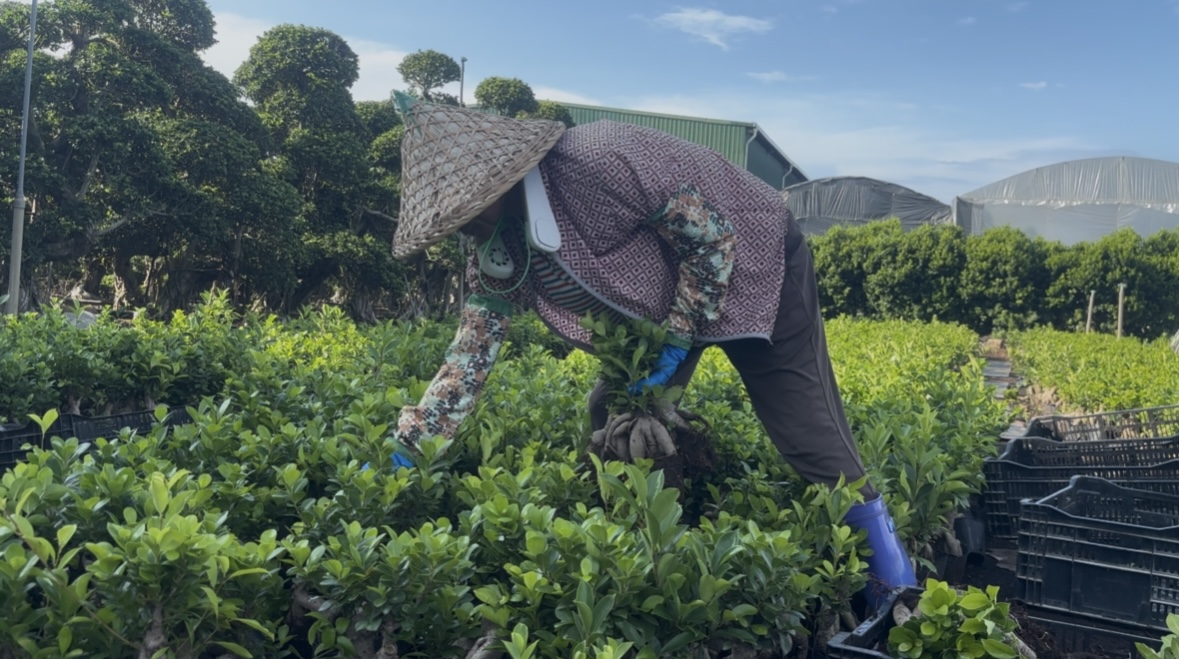
Best timing recommended by horticulturists
The season or time of year for ficus ginseng bonsai pruning is very important, and our company’s experienced horticulturists consider this when performing pruning work.
- Best pruning season: late spring to summer
During this period, the plant is actively growing, which allows pruning wounds to heal faster and encourages strong, healthy new shoots. - When to avoid pruning: winter or dormancy periods
Pruning during colder months can slow recovery, weaken the plant, and increase the risk of branch dieback, which is why professionals generally avoid heavy pruning at this time.
What should be prepared before pruning?
Before starting ficus ginseng bonsai pruning, proper preparation helps ensure clean cuts and reduces stress on the plant.
- Sharp, sterilized pruning tools
Having sharp tools is important because they will help you cut the bonsai tree without causing it too much stress. - Alcohol or disinfectant
Professional growers disinfect tools before and after pruning to prevent the spread of bacteria or fungal infections. - A clear pruning plan
Observing the bonsai from multiple angles and planning the desired structure before cutting is essential. Skilled horticulturists never prune impulsively.
Correct steps for ficus ginseng bonsai pruning
1. Remove problematic branches first
Begin by pruning branches that are harmful to the health and shape of your ficus ginseng bonsai tree, such as dead, ill, growing inward, and intersecting branches. These branches obstruct air circulation and create an unbalanced visual effect, making them the first to be removed.
2. Control branch length
Rather than pruning branches to be ridiculously short, leave 2-3 leaves on each healthy branch. This will help maintain photosynthesis and encourage new lateral growth, allowing the ficus ginseng bonsai tree to develop a fuller and more delicate appearance.
3. Adjust the overall silhouette
When pruning, work from the overall shape to the minute detail. Periodically take a step back and examine your ficus ginseng bonsai pruning tree from the front, sides, and top to make sure that the final result is well-proportioned and stable in terms of visual effect.
Professional aftercare following pruning
After ficus ginseng bonsai pruning, proper aftercare is essential to stabilize growth and support recovery.
- Place the plant in bright, indirect light
Adequate light supports recovery, while direct sunlight immediately after pruning may cause excessive moisture loss. - Reduce watering temporarily
With less foliage, water demand decreases. Slightly reducing watering helps prevent root stress and overwatering. - Avoid fertilizing for 1–2 weeks
Our company’s horticulturists typically wait until new shoots have grown strong and stable before resuming fertilization to avoid causing weak or uneven plant growth.
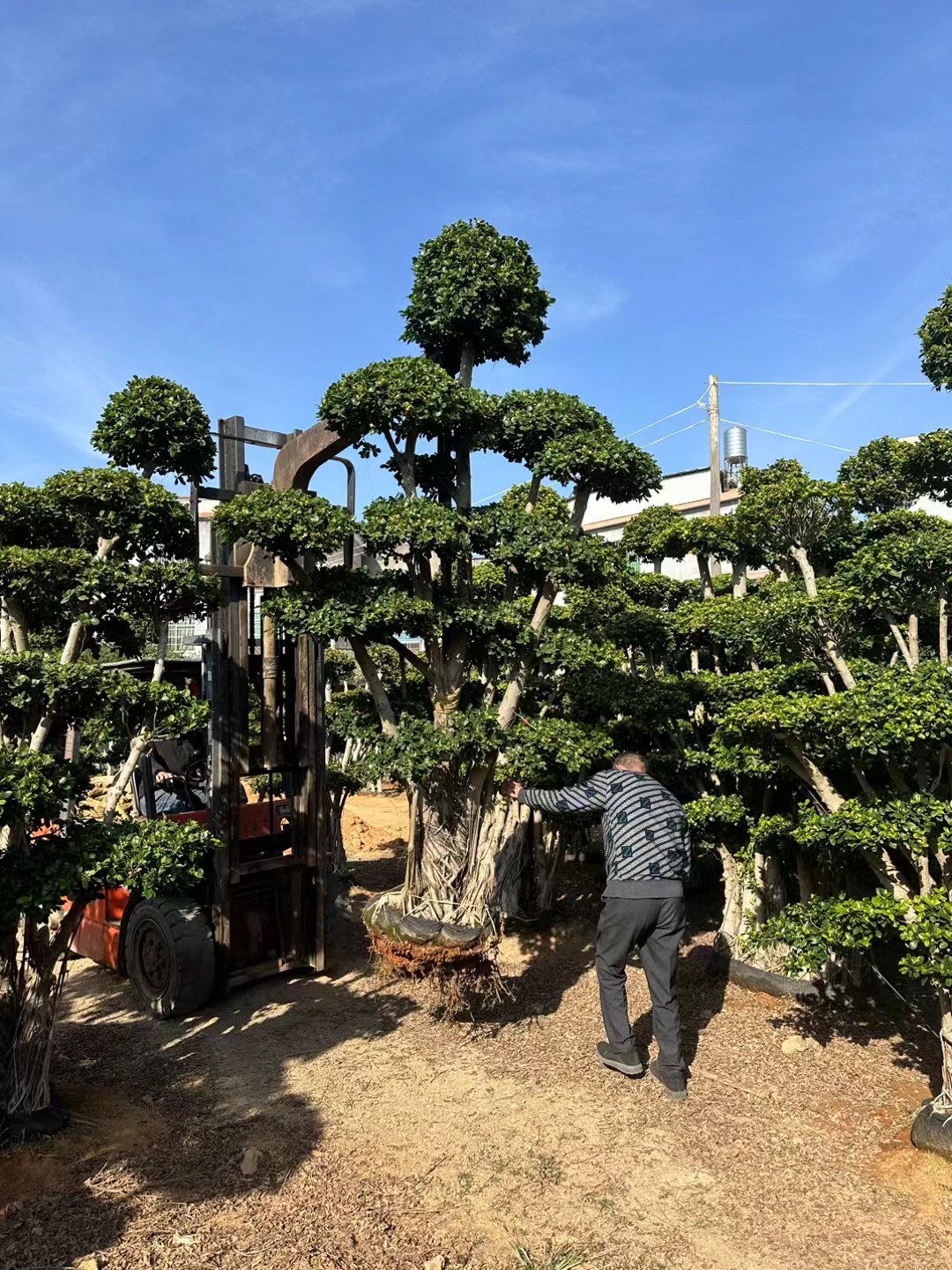
Common Ficus Ginseng Bonsai Pruning Mistakes
Based on years of experience, many pruning problems come from the following mistakes:
- Removing too many branches at once causes excessive stress.
- Heavy pruning during cold or inactive growth periods.
- Failing to disinfect tools increases disease risk.
- Prioritizing appearance over plant health.
Conclusion
From long-term experience, ficus ginseng bonsai pruning trees is not a matter of hitting the nail on the head in one attempt. It’s more about continuous observation and adjustment. Pruning the ficus ginseng bonsai is something that Wulala Garden has perfected over the years by growing the plants. By placing the health of the plant first, keeping a keen eye on the growth, and always pruning the plants, the right bonsai can be achieved even if the plant is contained in a small container. These are not mere hypotheses. These are what we have learned from our bonsai gardening experience. If you have any doubts about how to prune ficus ginseng bonsai trees or care for them daily, do not hesitate to contact us. Wulala Garden is always happy to provide you with reliable and practical advice based on our experience and guidance.