
Ficus Series

Nan'an Root Banyan Tree

Categories

1.6m Aerial Root Ficus Bonsai (4)
4.5m Aerial Root Ficus Bonsai (1)
3m Nan'an Root Banyan Tree (4)
Shi Ma Root Strange Root Banyan Tree 1 (1)

Aerial Roots Ficus Care & Uses Guide | Wulala Garden

Logo Leaf New.png

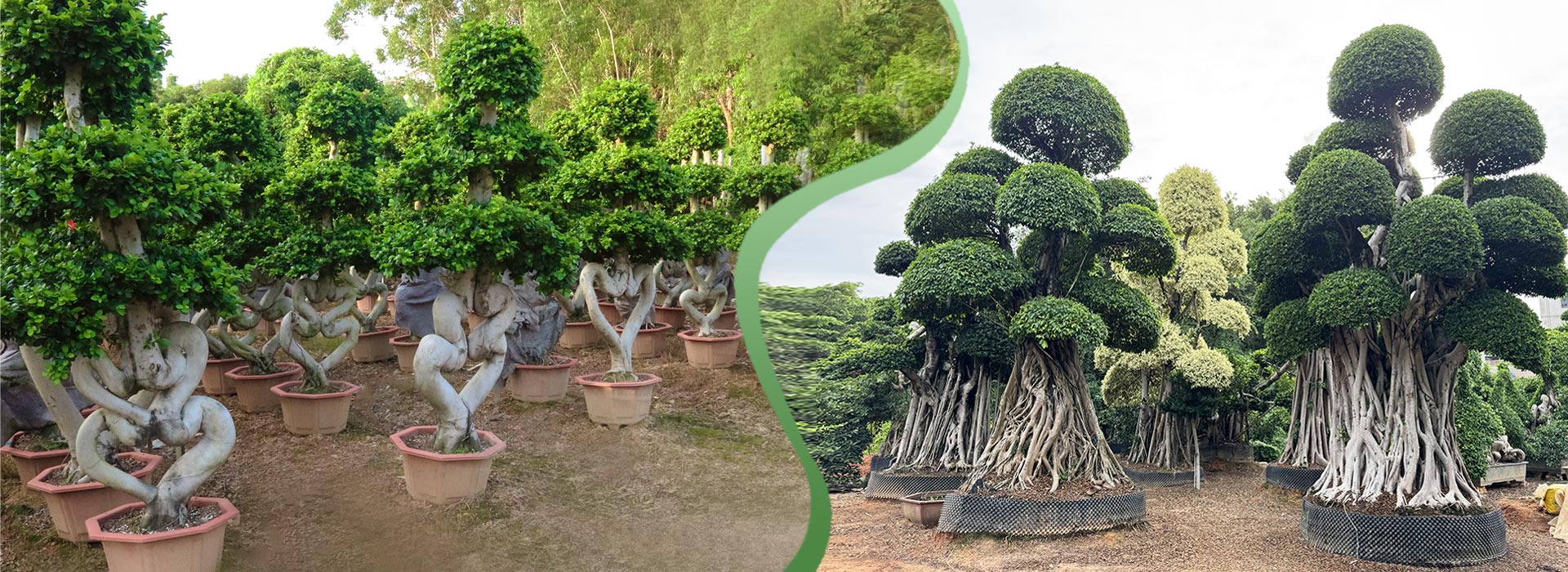
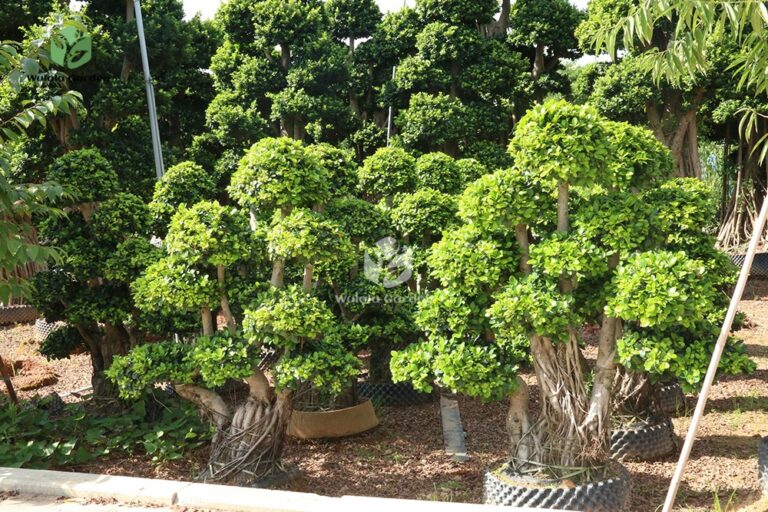
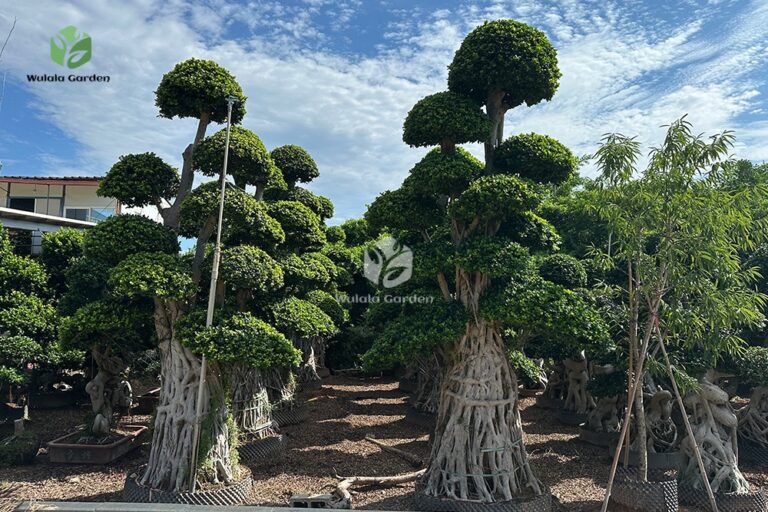
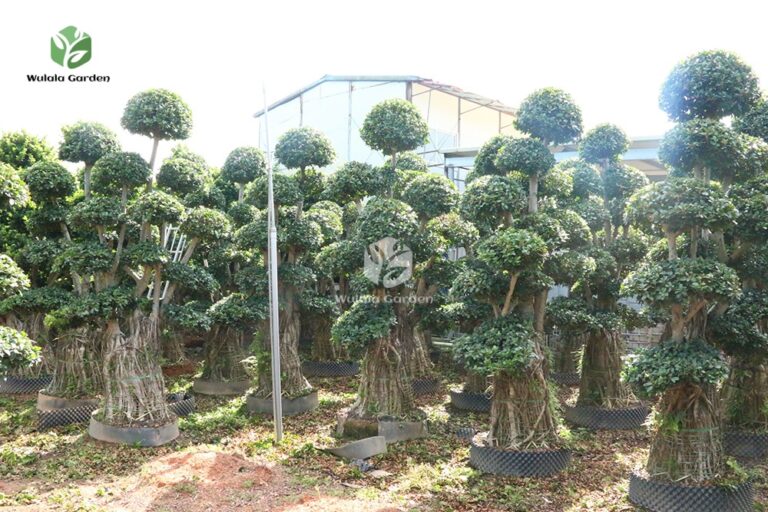
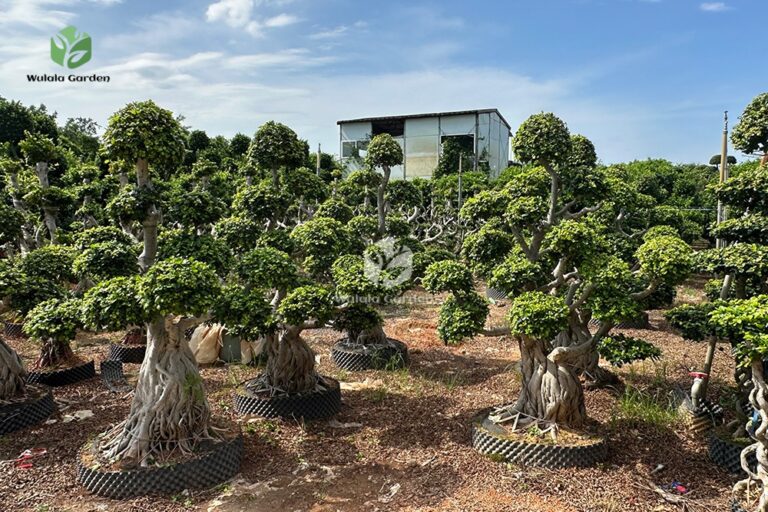
Ficus Microcarpa is commonly referred to as the banyan tree and is an air-rooted ficus. This adds a really unique and intriguing touch to any garden or landscape one can imagine. What really makes this bonsai tree highly noted is its thick and sophisticated banyan aerial roots rising above the soil, forming a striking natural appearance. Due to its lush evergreen foliage, it constitutes one of the best additions to luxury villas, resorts, golf courses, and urban landscapes.

Functions & Needs It Meets

Ficus Aerial Root enhances air purification and can be used to increase humidity, hence applicable for gardens, villas, hotels, and commercial landscapes.

Its aerial roots can take on a banyan-type, layered structure, adding another dimension and architectural presence to large outdoor scenes.

Evergreen foliage on this plant will keep it rich and full throughout the year, pending demand for greenery and shade.Perfect for anyone looking for a statement tree that requires minimal maintenance while being highly adaptable.

1215

How to Care for an Aerial Root Ficus

Mission
  • Water appropriately, about twice a day, keeping the surface soil moist but avoiding waterlogging.
  • Performs best from 18-30°C. It is more resistant to heat than to cold. Bring inside if possible in temperatures as low as 10°C.
  • Use well-drained sandy loam, mixed with organic matter to favourably support banyan development.
  • Prune only lightly to keep the canopy shape. The roots now exposed will grow naturally downwards.
  • Place it in a location with bright, indirect light or partial sunlight—too much shade may slow down root growth.

Variety of Plants & Size

Logo Leaf New.png

Ornamental tree in vase shape, pot grown or planted directly into the ground.Mature height generally 1.2-2.0 m depending on shaping style.

Generally, it would be having a trunk structure with multilayered root textures and sculpted curves, the signature of aerial root ficus bonsai artistry.

Pairing Ideas with Other Products

Wulala Garden also offers many other types of potted ornamental plants that can be paired with Aerial Roots Ficus in design. Here are a few combinations we recommend:

Aerial Roots Ficus + Palm Trees

Icon

This is a simple and reliable combination, suitable for warm, green spaces. Palm trees add height and dynamism, while aerial roots ficus, with its robust trunk and dense canopy, stabilizes the overall layout.

Aerial Roots Ficus + Forsythia
Icon

This pairing is perfect when a project needs a seasonal highlight. Forsythia brings color during its blooming season, while aerial roots ficus maintains the balance of the landscape for the rest of the year.

Aerial Roots Ficus + Coral Trees
Icon

This is a stronger, more expressive combination, suitable for creating a striking landscape. Coral trees add a distinctive personality, while aerial roots ficus prevents the overall landscape from becoming too monotonous.

FAQ

Logo Leaf New.png
Q1: How fast do the banyan aerial roots grow?

A: Its growth rate depends on the humidity and light. The more humid it is, the faster the extension of the root is.

A: It does well in bright indoor locations, and misting will keep the banyan aerial roots active.

A: Prune minimal. Only trim to shape the canopy or control growth direction; the roots will balance out naturally.

Scroll to Top

Contact Us