
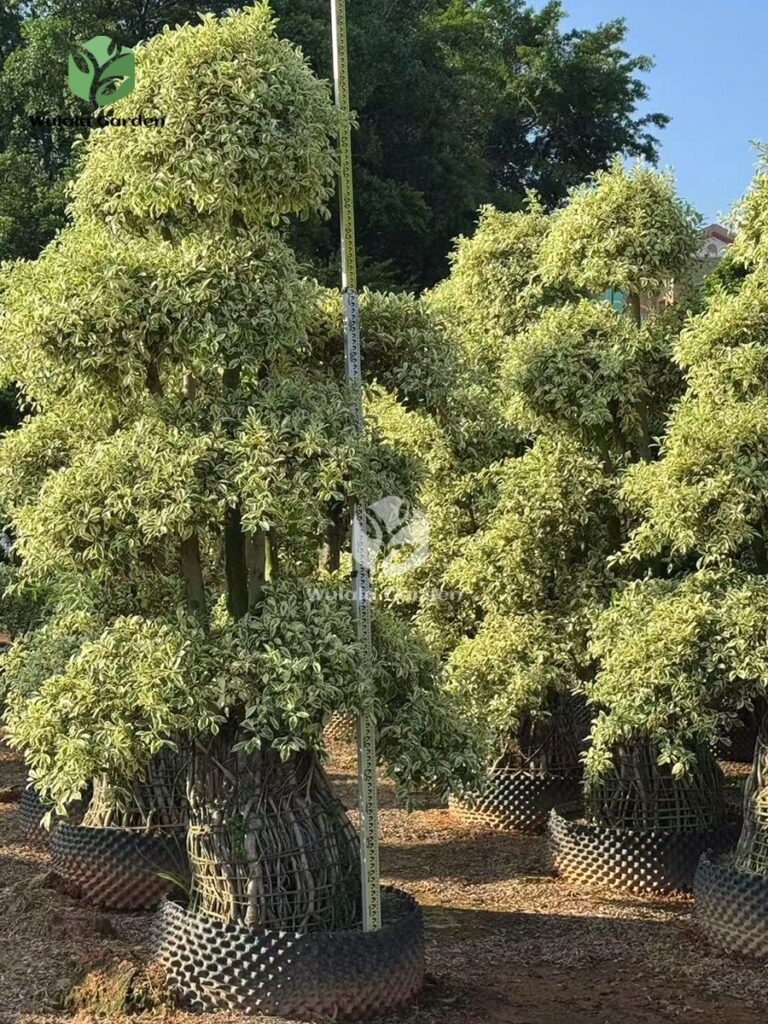
Variegated Ficus
Variegated Ficus Tree Care by Wulala Garden &Tips for a Thriving Indoor Plant
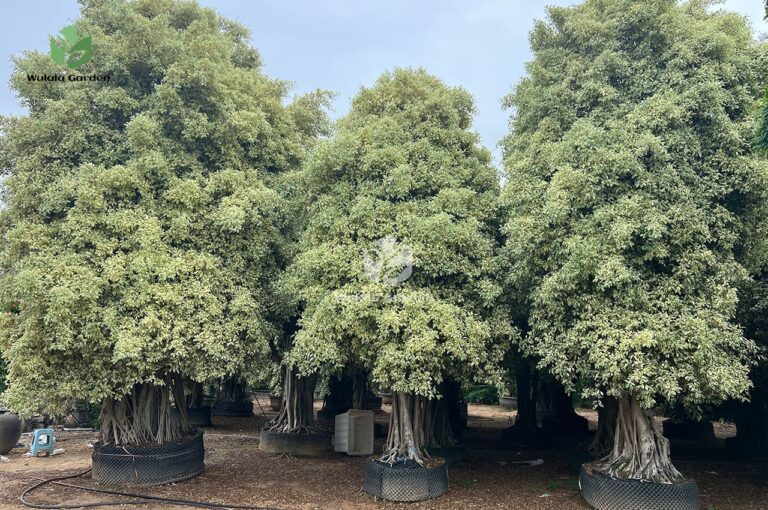
The variegated ficus, as a variegated ficus plant, is admired for its pleasing leaf structure and flexible growth process. Its yellow-and-green variegation enhances the surroundings, creating an environment that feels closer to the outdoors, and its compact yet elegant form makes it an ideal choice for indoor decoration or display corners.
The Uses of Variegated Ficus
Aesthetic Value
The variegated splint patterns align with ultramodern interior and workspace design trends. Their bright, textured appearance adds visual depth and creates a stimulating atmosphere. Numerous druggies choose the variegated ficus factory or variegated ficus tree purely for its ornamental impact.
Landscape Design Compatibility
In professional landscaping, the variegated ficus plant offers strong visual discrepancy when paired with darker shrubs or tropical shops. Contrivers use it to enhance layers and balance compositions, icing both aesthetic effect and functional performance in outdoor or semi-indoor geographies.
Practical Function
A variegated ficus factory naturally helps purify inner air and can also serve as a green space separator in homes or services. Its structured growth makes it suitable for creating gentle partitions while adding a sense of vitality to open surroundings.
Cultivation and Care of Variegated Ficus

Watering
The best growth will be in well-watered and saturated soils. Irrigation should be done if the top layer of soil to a depth of 2.5 cm has dried out and the need to avoid waterlogging that might cause root stagnation.

Temperature
The ideal temperature ranges from 18 to 28 degrees Celsius. The variegated ficus should be protected from cold air currents, air conditioning vents, and winter sunshine through windows.

Soil
Dejando en cuenta la aereación apropiada de la raíz, se aconseja un sujético con perlita y arena para la disposición bonsái, así como la variegada dorada.
Light
The species requires bright lighting, but indirectly. Too little light contributes to leaf fall, while too much light results in the burning of the variegated areas of the leaves.
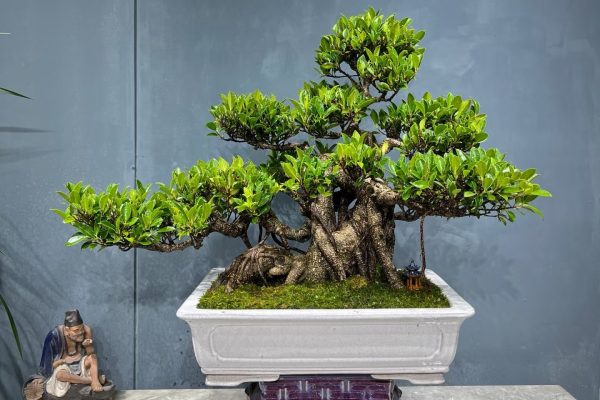
Favourable Conditions for Variegated Ficus
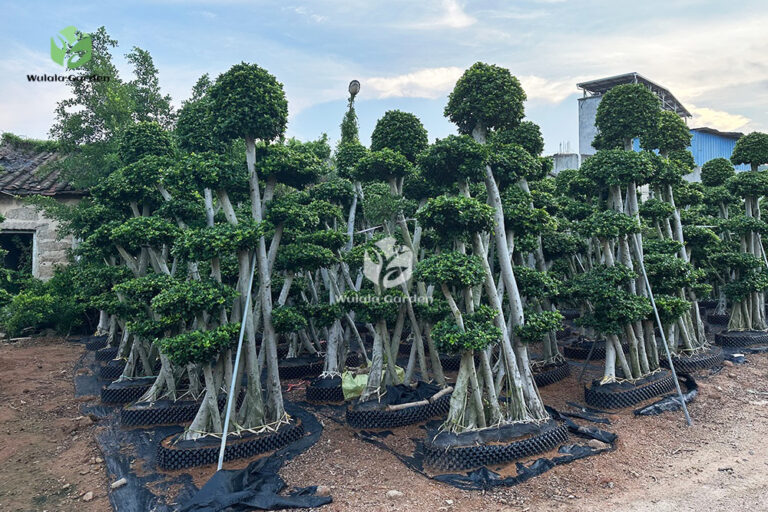
The variegated ficus tree has a preference for a warm and humid climate. The suitable environment to place the plant indoors includes seating areas, reception areas, conference halls, coffee shops, and corridors. For outdoor planters, the partially shaded area will be suitable. The plant has a constant growth rate and will be ideal to plant in a balcony garden and landscape projects.
Plant Type


Depending on the form you choose, the variegated ficus plant can function as:
- A tree – for landscaping or larger decorative spaces
- A potted plant – perfect for indoor display
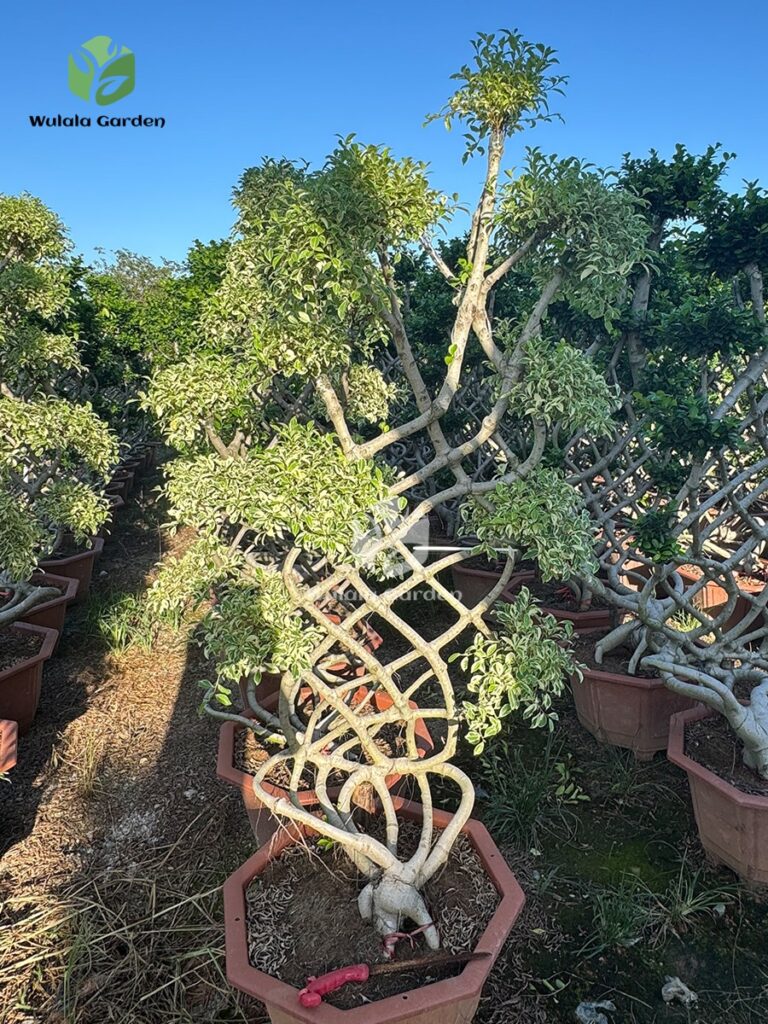
- A bonsai – ideal for collectors or premium gifting
- A shrub-like ornamental – compact, dense, and easy to shape
This variety is one reason why the variegated ficus tree is popular across both home and commercial markets.
Size Information
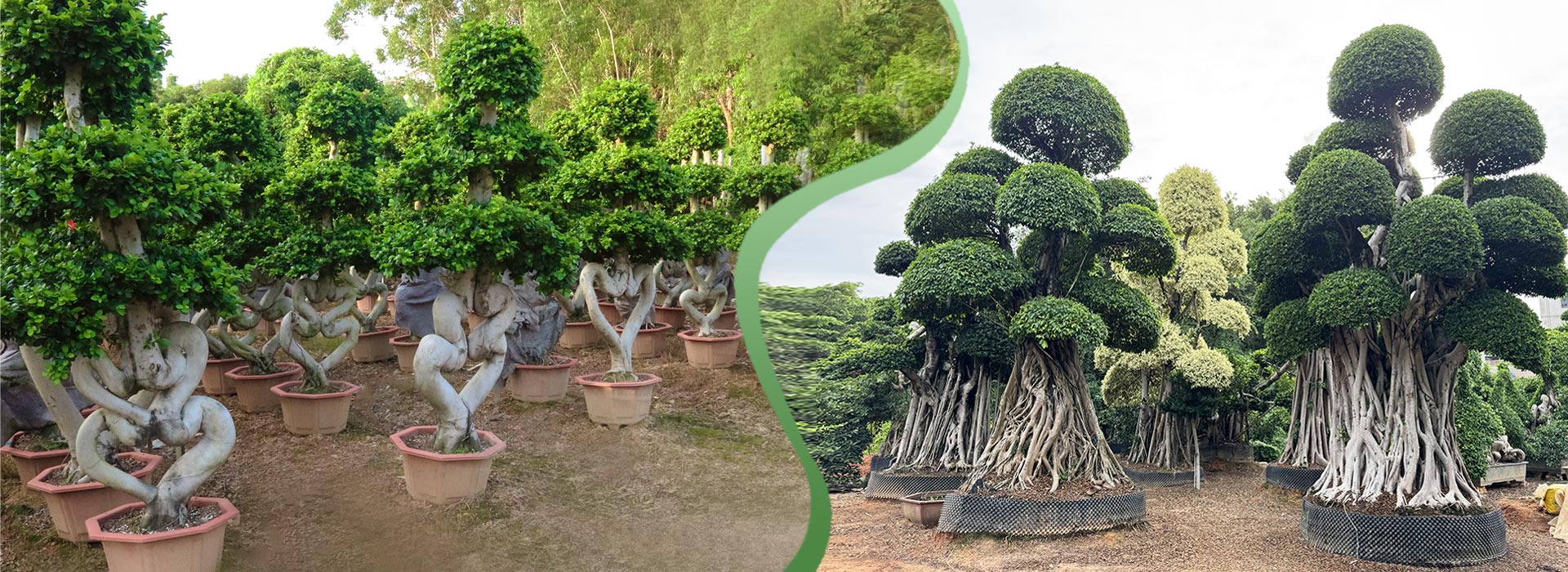
Golden Variegated Ficus Bonsai – Net Shape Raised Roots
This striking bonsai features elevated roots that form graceful, artistic curves, with leaves transitioning from green to yellow-gold. It is available in 1.5–2.5 m or 2–3 m heights (both customizable), making it suitable for spacious indoor display areas.
Golden Variegated Ficus With Elevated Roots
Known for its dramatic, high-rising root structure, this version offers a more imposing visual presence. It typically comes in the 2–3 m range (customizable), making it an impressive statement piece for reception halls or larger interior spaces.
Solutions for Combining With Other Products
A variegated ficus plant works beautifully when paired with cactus kinds. The strong discrepancy between the broad, variegated leaves of the variegated ficus factory and the sculptural, upright shapes of cacti creates an ultramodern and visually striking display. This combination is ideal for minimalist innards, desert-inspired décor, and spaces that bear low- low-conservation yet cultural factory groupings.
It also complements the Ligustrum series, which adds refined structure and layered verdure to inner factory arrangements. Pairing a variegated ficus tree with privet bonsai creates a balanced geography composition — one immolation vibrant variegation and the other furnishing elegant form.
FAQ
Q1:How are the variegated ficus trees packaged for safe transportation?
A1: They are packed with coconut fiber around the roots and wrapped with waterproof paper to keep moisture stable and prevent damage during shipping.
Q2:How often should I check and maintain the tree after transplanting?
A2: In the first month, check the soil every 2–3 days. After the tree grows new leaves, just follow normal seasonal watering. No repotting is needed.
Q3:Is outdoor growing suitable for the variegated ficus tree?
A3: Yes. The variegated ficus tree is suitable for outdoor growing in warm climates. It thrives in temperatures between 18–35°C and can tolerate short periods as low as 5°C. Just make sure it receives at least 6 hours of direct sunlight each day.
Q4: Are wholesale and size-specific options available?
A4: Yes. Wulala Garden provides multiple sizes and bonsai forms for retailers, landscapers, and project buyers.