
With the continuous development of the global horticulture industry and the expansion of the ornamental plant market, bonsai has become a high-value plant category that combines natural aesthetics with advanced shaping techniques. In a bonsai garden nursery, the selection of tree species plays a crucial role in determining production efficiency, cultivation costs, growth cycles, and overall market value.
Therefore, scientific planning of tree species composition is a key factor in ensuring long-term nursery success.
1. Bonsai Garden Nursery Tree Species Classification System
In a standardized bonsai garden nursery management system, tree species are categorized based on growth rate, market positioning, and training duration. The main objectives include:
- Improving production efficiency
- Balancing short-term and long-term returns
- Optimizing product structure
1.1 Fast-Growing Commercial Species (Core of Mass Production)
In most bonsai garden nursery operations, fast-growing species account for the majority of production due to their rapid growth, strong adaptability, and high responsiveness to pruning. These species typically reach basic shaping within 3 to 5 years.
Common species include:
- Ficus microcarpa
- Bougainvillea
- Ulmus parvifolia
- Murraya paniculata
- Lagerstroemia indica
- Serissa japonica
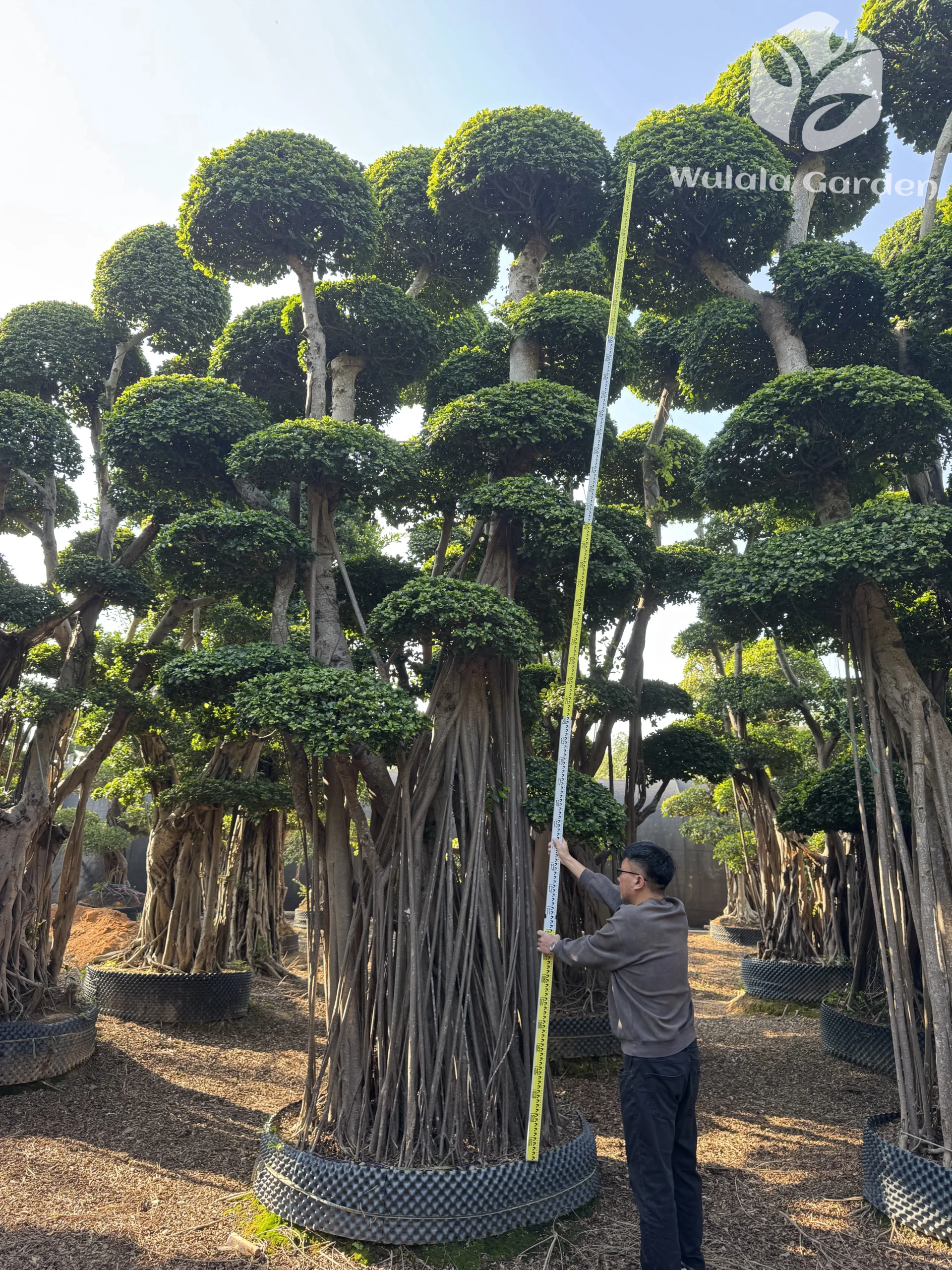
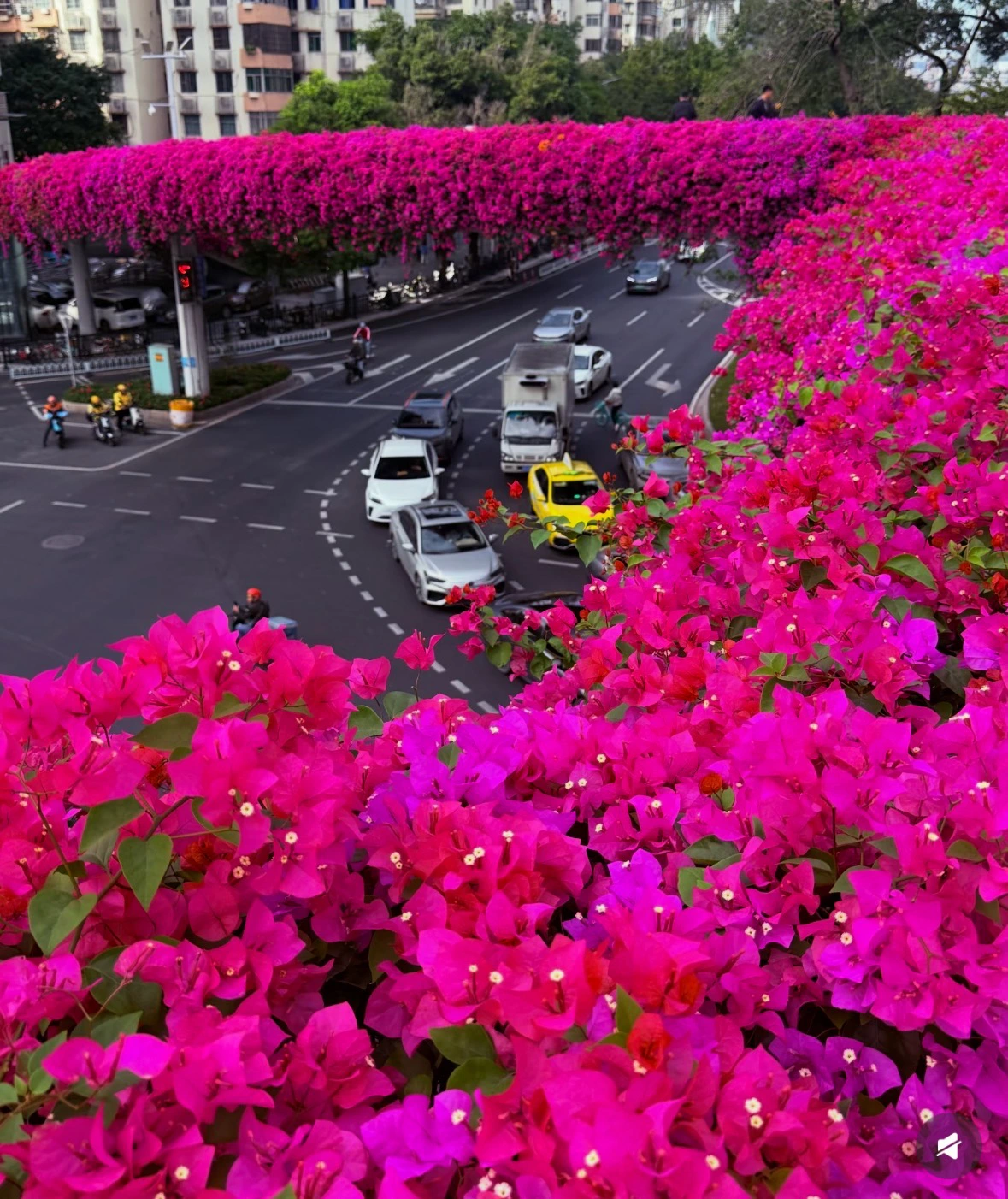
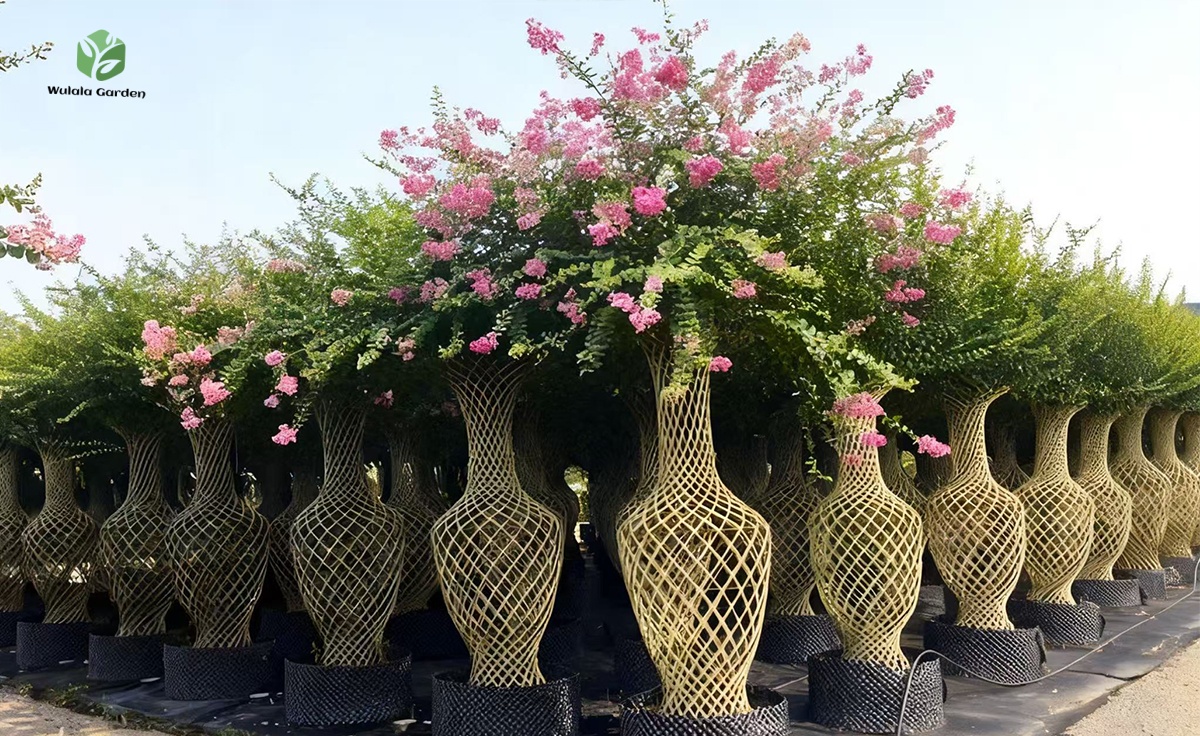
Key characteristics:
- Annual growth rate: 20–40 cm
- Strong response to pruning and easy shaping
- Low production cost, suitable for mass cultivation
- Fast market turnover
1.2 High-End Collector and Artistic Species (Long-Term Value System)
High-end bonsai species in a bonsai garden nursery are primarily used to build long-term value and premium market positioning. Although their growth rate is slower, they offer significantly higher artistic and commercial value.
Common species include:
- Pinus thunbergii
- Pinus parviflora
- Podocarpus macrophyllus
- Acer palmatum
- Ulmus bonsai varieties
- Ginkgo biloba bonsai
Key characteristics:
- Annual growth rate: 5–15 cm
- Lifespan: 30–80+ years
- Long training cycle with high artistic value
- Suitable for collectors and premium landscaping markets
1.3 Flowering Ornamental Species (Seasonal Visual System)
Flowering bonsai varieties in a bonsai garden nursery are mainly cultivated to enhance visual appeal and diversify product offerings, particularly for landscaping projects and seasonal display applications.
Common species include:
- Rhododendron simsii
- Jasminum sambac
- Camellia japonica
- Wisteria sinensis
- Prunus serrulata
Key characteristics:
- Flowering period: 2–6 weeks
- Strong ornamental impact
- Highly seasonal demand
- Ideal for exhibitions and event decoration
1.4 Indoor and Low-Maintenance Bonsai Species (Urban Consumption System)
Driven by rapid urban development, modern bonsai garden nursery operations are increasingly expanding into the indoor plant market, as these species are better suited for residential and office environments.
Common species include:
- Sansevieria trifasciata
- Zamioculcas zamiifolia
- Pachira aquatica
- Dracaena marginata
- Radermachera sinica
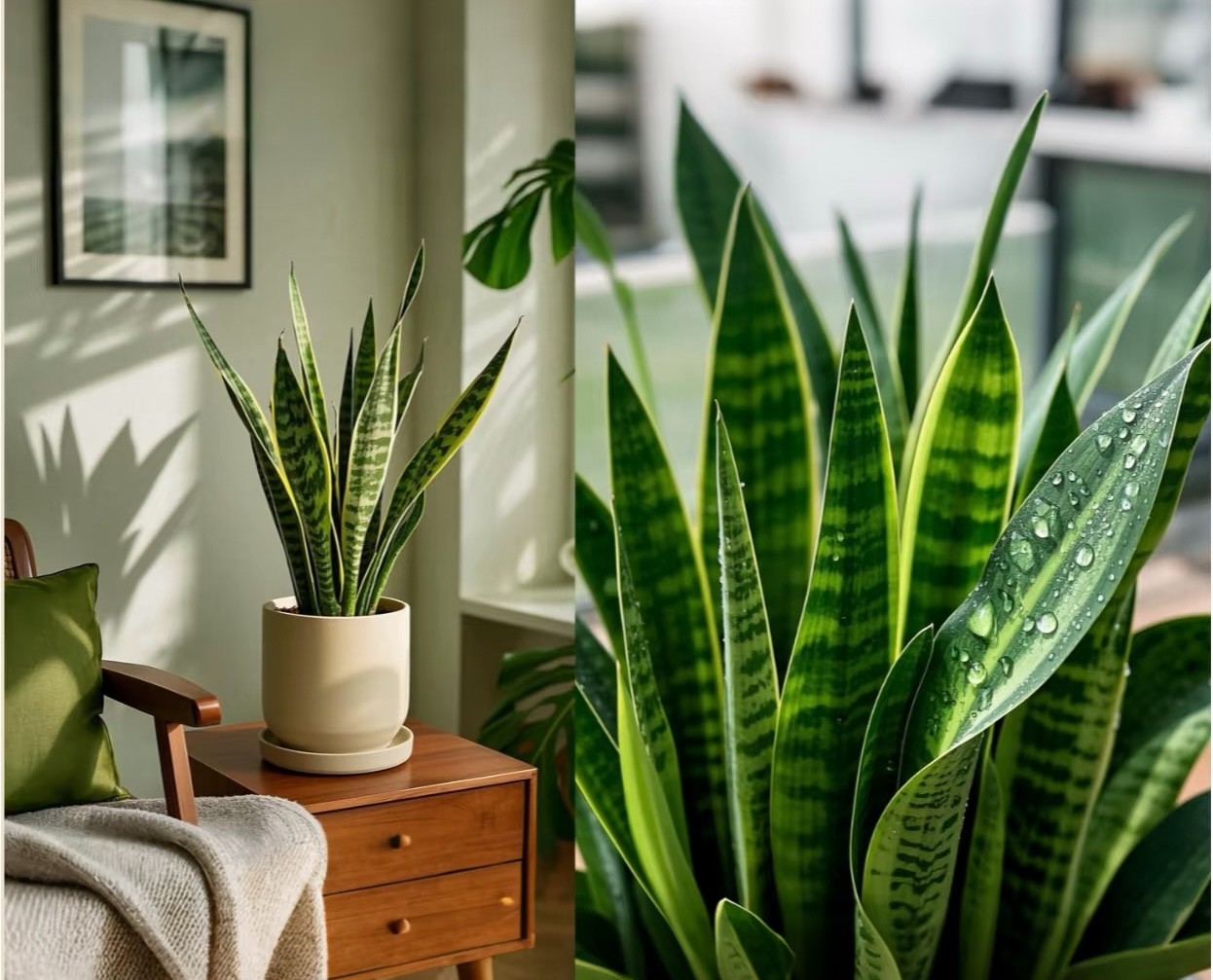
Key characteristics:
- High shade tolerance
- Low maintenance requirements
- Strong drought resistance
- Well-suited for indoor environments
2. Environmental and Cultivation Management Practices in a Bonsai Garden Nursery
For professional bonsai garden nurseries, different species should be managed in separate zones to ensure optimal growth conditions and high survival rates.
Environmental standards:
- Tropical plants: 18°C–32°C
- Temperate plants: 5°C–25°C
- Humidity range: 50%–75%
Key management practices:
- Light control: Avoid prolonged exposure to strong direct sunlight
- Water management: Prevent both overwatering and drought stress
- Soil composition:
- Akadama: 50%
- Pumice: 30%
- Organic matter: 20%
- Drainage efficiency improvement: approximately 30%
3. Production and Maintenance Optimization in Bonsai Garden Nursery
In standardized systems, different species require differentiated maintenance strategies to maintain balanced growth and quality output.
Pruning cycles:
- Fast-growing species: every 4–6 weeks
- Medium-growing species: every 6–8 weeks
- Slow-growing species: every 8–12 weeks
Operational performance:
- Survival rate: 85%–95%
- Structural optimization can increase productivity by 15%–30%
- Maintenance expenses can be reduced by approximately 20% on average
4. Comparative Analysis of Bonsai Tree Categories
| Category | Growth Speed | Training Cycle | Market Value | Application |
| Fast Commercial | Fast | 3–5 years | Medium | Mass production |
| High-End Artistic | Slow | 5–10+ years | High | Collector market |
| Flowering Ornamental | Medium | 2–4 years | Medium–High | Landscape display |
| Indoor Low-Maintenance | Medium | 2–6 years | Medium | Urban consumption |
5. Industry Development Trends of Bonsai Garden Nursery
The bonsai garden nursery industry is gradually moving toward structured and diversified development:
- Commercial production relies on fast-growing species to ensure a stable cash flow
- Premium markets focus on long-term value species such as pine and maple
- Demand for indoor bonsai continues to grow
Overall, the industry is shifting from scale-based competition to structure-based competition.
Conclusion
Overall, the success of a bonsai garden nursery depends on the scientific selection and balanced combination of tree species. Only through the integration of fast-growing commercial species, high-value artistic trees, flowering ornamental varieties, and indoor low-maintenance plants can a nursery achieve both production efficiency and long-term value growth.
Tree species selection remains the core strategic foundation of the entire nursery business model.
Contact Us
For any inquiries regarding bonsai tree selection, nursery development planning, or operational optimization of a bonsai garden nursery, we are here to support you. Our team can provide professional guidance to help improve production efficiency, optimize product structure, and enhance your market competitiveness.