
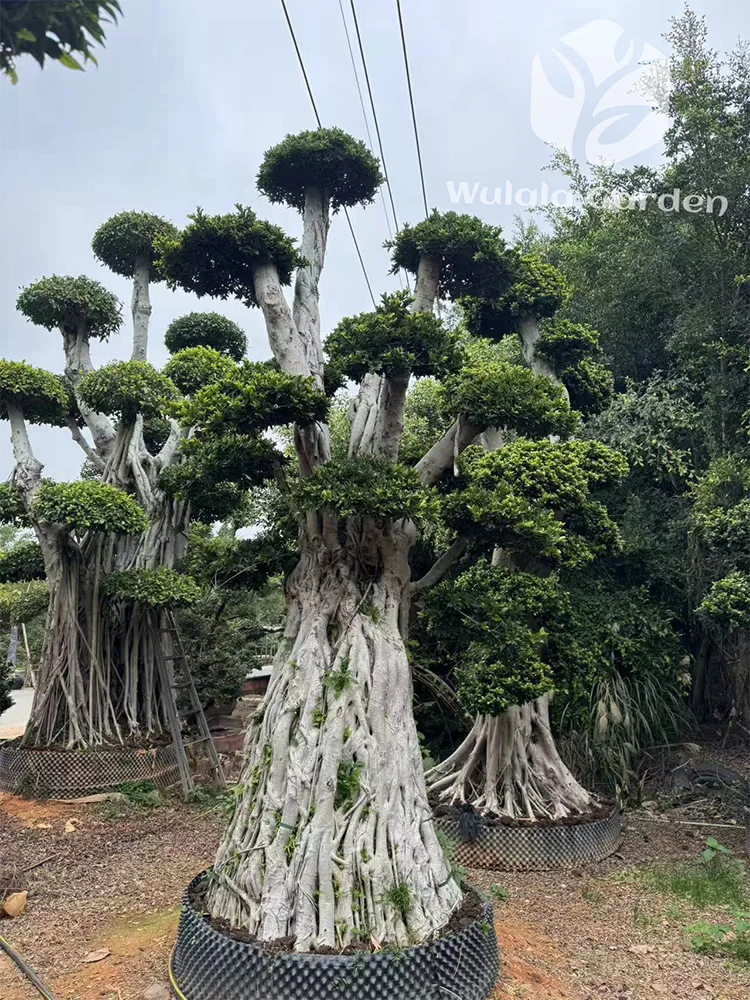
A ficus bonsai tree is one of the most popular bonsai varieties because of its resilience, attractive appearance, and adaptability to indoor environments. Proper care is essential to keep it healthy, encourage strong growth, and maintain its miniature tree form. Understanding its requirements for light, water, pruning, and nutrition will help your bonsai thrive for many years.
Providing the Right Amount of Light
Light is one of the most important factors affecting the health of a bonsai tree. If lighting is insufficient, growth will become weak, leaves may drop, and overall vigor will subsequently decline.
Consider the following recommendations:
- Place near a bright window
A south-facing or east-facing window often provides the best lighting conditions. Bright indirect sunlight is generally ideal. - Allow some direct sunlight
Morning sunlight can benefit a ficus bonsai tree, promoting compact growth and healthy leaf development. - Use grow lights if necessary
In homes with limited natural light, LED grow lights can supplement sunlight and help maintain growth throughout the year. - Rotate the tree regularly
Turning the pot every week ensures all sides receive equal light exposure and prevents uneven growth.
Proper lighting encourages stronger branches, richer foliage color, and improved overall health.
Watering Your Ficus Bonsai Correctly
Many bonsai problems stem from improper watering. Learning when and how to water is crucial for long-term success.
Important Watering Guidelines
- Check the soil daily rather than watering on a fixed schedule.
- When the surface layer of the soil begins to feel slightly dry, water thoroughly.
- Continue watering until excess water drains from the drainage holes.
- Avoid leaving the pot sitting in standing water.
- Reduce watering frequency during cooler seasons when growth slows.
A ficus bonsai tree prefers consistently moist soil but does not tolerate waterlogged roots. Overwatering can lead to root rot, while underwatering may cause leaf drop and stress.
A practical method is to insert your finger into the soil to a depth of about one inch. If it feels dry at that depth, it is usually time to water.
Fertilizing for Strong and Healthy Growth
Like all container-grown plants, bonsai trees rely on regular fertilization because nutrients in the soil become depleted over time.
Fertilization Tips
To achieve the best results:
During active growing seasons
During spring and summer, apply a balanced liquid or granular fertilizer once every two to four weeks.
During slower growth periods
Reduce feeding frequency in autumn and winter, especially if growth naturally slows due to reduced light.
Choose balanced nutrients
A fertilizer containing nitrogen, phosphorus, and potassium supports:
- Leaf production
- Root development
- Branch strength
- Overall plant vitality
Consistent feeding helps a ficus bonsai tree maintain lush foliage and recover more quickly from pruning and shaping.
Pruning and Shaping Your Bonsai
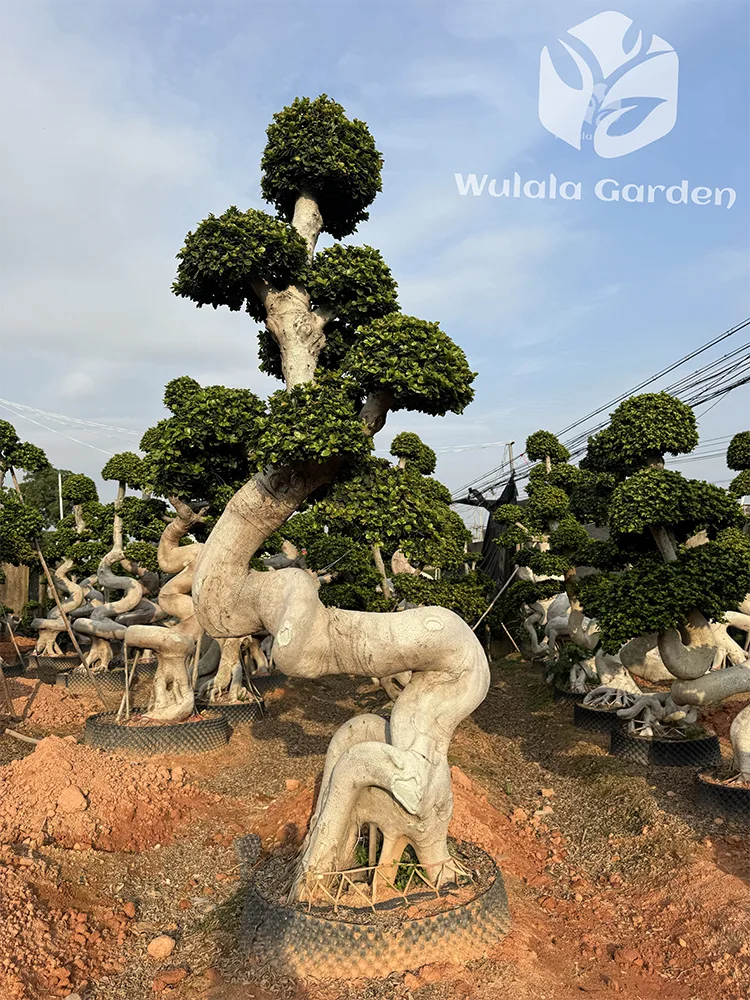
Pruning is what transforms an ordinary plant into a beautiful bonsai specimen. Regular trimming encourages compact growth and helps maintain the desired design.
Routine Maintenance Pruning
When shoots become too long:
- Allow a branch to produce six to eight leaves.
- Trim it back to two or three leaves.
- Repeat this process throughout the growing season.
This technique encourages denser branching and smaller leaves.
Structural Pruning
For larger design changes:
- Remove unwanted branches.
- Improve overall tree balance.
- Create a more refined silhouette.
- Enhance trunk visibility.
Structural pruning is often best performed during periods of vigorous growth when the tree can recover quickly.
Regular pruning ensures that the ficus bonsai tree maintains its miniature proportions while continuing to develop a mature appearance.
Long-Term Care Tips for a Beautiful Ficus Bonsai Tree
Successful bonsai cultivation is about consistency rather than perfection. Small, regular maintenance tasks often produce the best results.
For long-term success:
- Monitor watering carefully.
- Provide abundant light.
- Maintain warm temperatures.
- Prune regularly to preserve shape.
- Repot when necessary.
- Feed consistently during active growth.
- Inspect for pests and diseases frequently.
These habits help ensure that your bonsai remains healthy, attractive, and vigorous year after year.
Conclusion
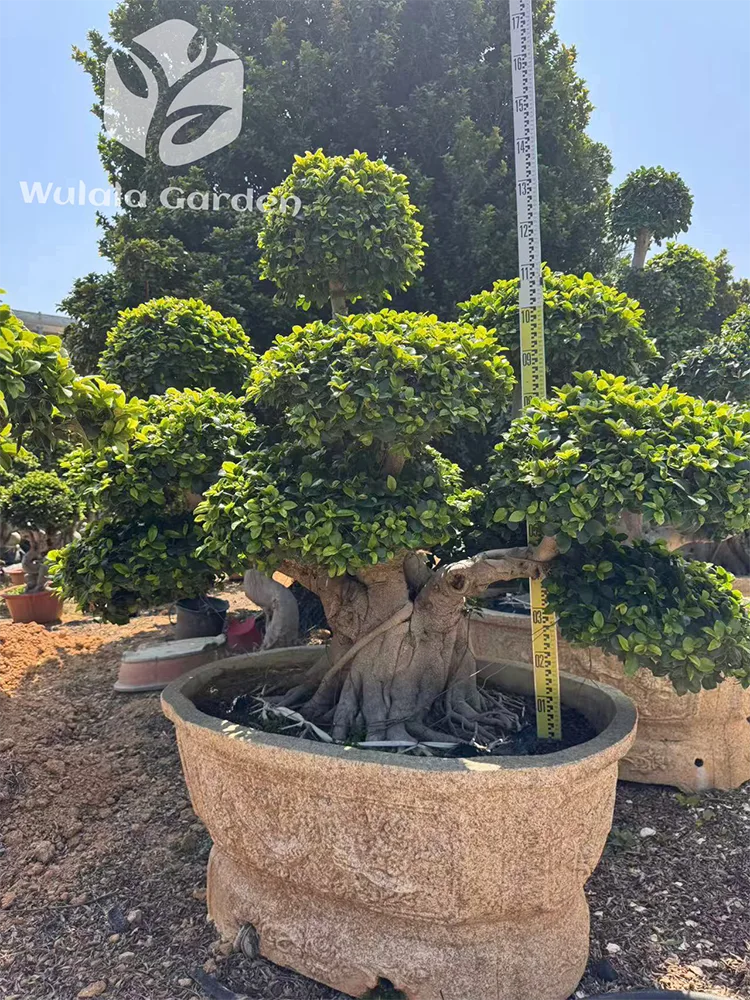
Caring for a ficus bonsai tree involves providing the right balance of light, water, humidity, nutrients, and pruning. Because ficus species are forgiving and adaptable, they are often considered one of the best bonsai choices for beginners and experienced growers alike. By following proper care practices and maintaining a consistent routine, your ficus bonsai tree can flourish for many years, becoming an elegant living centerpiece that showcases the beauty of bonsai cultivation.