
Lucky bamboo is said to be healthy when it has strong green stems and lush foliage. Nevertheless, yellowing leaves may indicate that the plant is experiencing suboptimal growing conditions. Yellowing is brought about by poor water quality, too much sunlight, the wrong temperature, and an improper root system. To begin with, the underlying problem should be understood, and the lucky bamboo should be taken care of.
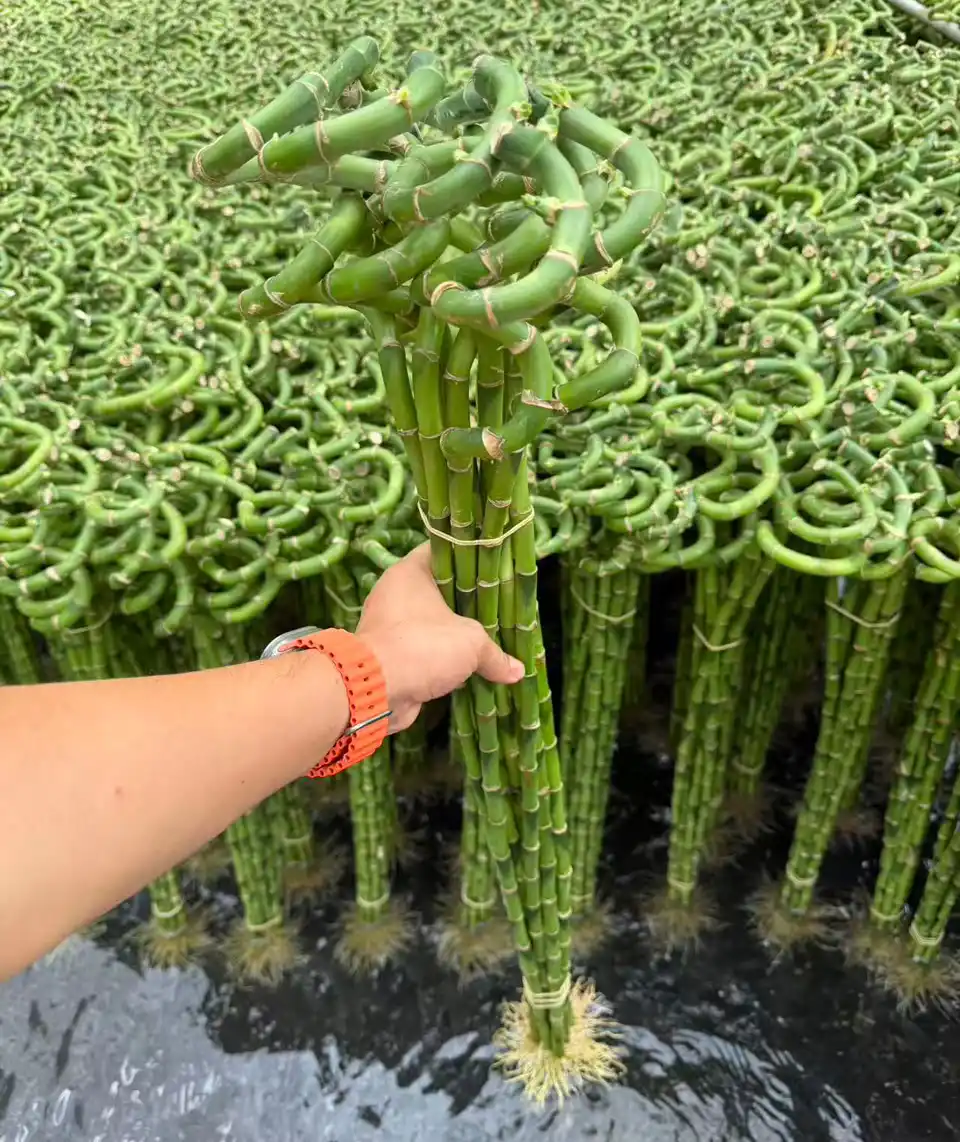
1. What Causes a Lucky Bamboo Tree to Turn Yellow?
There are various reasons why the leaves of a lucky bamboo tree turn yellow. It is crucial to know these reasons before fertilizing or watering the plant at once. This will prevent yellowing of the leaves.
Overwatering and Poor Drainage
Despite the lucky bamboo growing easily in water, plants that grow in the soil require good drainage. Moist soil suffocates the roots since they lack oxygen. Consequently, the roots decay, preventing the plant from absorbing nutrients, which makes the leaves yellow. If the lucky bamboo is grown in soil, the plant requires good drainage in the potting soil to drain away excess water. Caring for a plant means checking the soil and watering when necessary, not simply following a predetermined schedule.
Water Quality and Chemical Sensitivity
Poor water quality may be considered the most frequent reason for the discussed issue. Nevertheless, the plants are usually irrigated with tap water, which contains chlorine or fluoride. As a consequence, this leads to the leaves’ discoloration, turning them brown or yellow.
To fix this issue related to the water quality, one may take advantage of distilled or filtered water. For water-grown lucky bamboo, change the water every week or so and clean the container to remove any leftover deposits. Nevertheless, it is important to keep in mind that the roots should always stay in touch with the water.
Too Much Direct Sunlight
The lucky bamboo tree requires bright sunlight, although not direct sunlight. Normally, direct sunlight may burn the leaves because they receive it from south- or west-facing windows. The presence of brown or white spots on the leaves is a telltale sign of this issue.
You should move the plant a couple of feet from the window or hang a sheer curtain in front of the window. Despite this, the plant should not be kept in a dark location, as doing so may adversely affect its condition.
Temperature Changes and Cold Drafts
Lucky Bamboo Trees are very sensitive to temperature changes, especially when the plant is located near air conditioning devices, heating devices, and open windows. Low temperatures are known to affect the leaves of this plant, while high temperatures increase the rate of water evaporation. The recommended temperature is 18-29°C or 65-85°F.
Excess Fertilizer and Salt Buildup
Fertilizers should be used in small quantities. Excessive fertilization of the lucky bamboo tree leads to mineral salt accumulation in its root system. The leaves may become brown or yellow in color; also, its roots will suffer from the excessive amount of mineral salts in the soil.
It is necessary to add diluted fertilizers that are recommended for the plant. If you suspect that there is an excessive quantity of fertilizer, it is necessary to wash the soil and pour out the excess water. If the lucky bamboo is grown in water, this water should be changed.
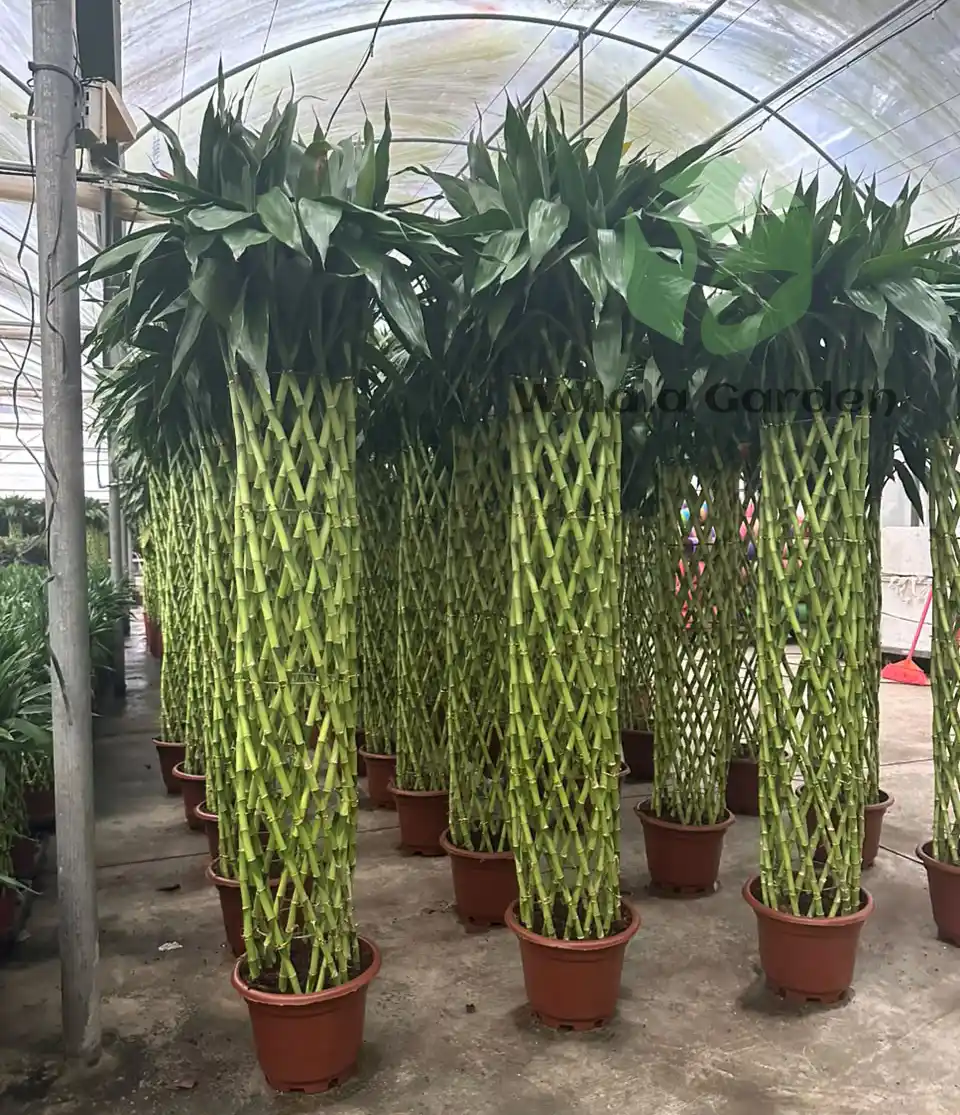
2. How Can You Identify Why Your Lucky Bamboo Tree Is Turning Yellow?
The pattern of coloration will be very helpful for deciding on the treatment method. Check the condition of several leaves and the stem before making any conclusions, since these symptoms may be an indication of leaf aging or some issues with the roots or stem.
Yellow Leaves vs. Yellow Stems
However, yellowing of leaves does not always mean that the entire plant is dying. Yellowing leaves do not always indicate a problem, as some may simply be aging even when the main stem remains strong and green.
| Visible symptom | Possible cause | What to check |
| One or two older yellow leaves | Natural aging or mild stress | New growth and overall condition |
| Yellow leaf edges | Water quality or fertilizer buildup | Water source and feeding routine |
| Pale or scorched patches | Excessive direct sunlight | Window exposure |
| Yellowing stem | Significant stress or tissue damage | Stem firmness and root health |
Yellow stems can be considered much more serious than just yellow leaves. After turning yellow, the stem cannot become green again.
Yellowing from the Tips or Edges
If brown spots are formed at the ends of the leaves, the problem may be associated with mineral deposits, high concentrations of fertilizers, or uneven irrigation of the plant. Extensive yellowing across the leaves is often a sign of too much light or general environmental stress.
Observe other leaves as well. If there is damage only on the side that gets sun exposure, change the position of the plant. If there are brown tips on several leaves while using tap water, try different water and do not make many other changes yet.
Soft Stems and Root Problems
Healthy plants of the Lucky Bamboo Trees have hard stems and roots which must be rather firm. If the roots turn black and soft, or the stem becomes soft and discolored, the plant is suffering from rot. When it comes to plants that grow in water, the plant should be taken out of the water, and its roots checked. The parts of the roots that have been affected should be removed using scissors, the roots washed, and the plant placed back in fresh water.
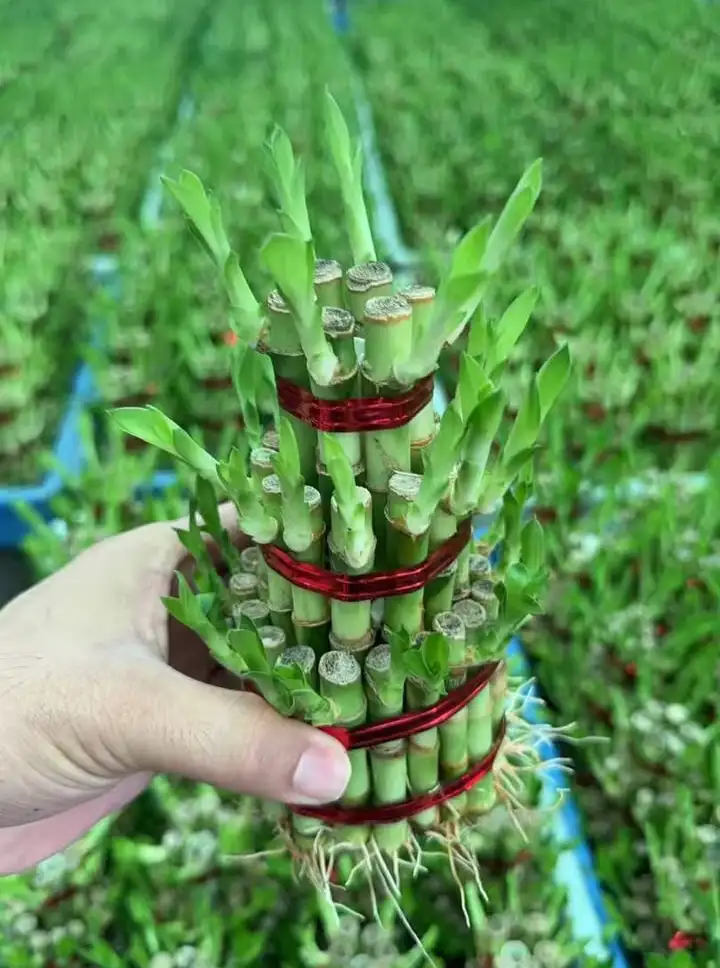
3. How Do You Fix a Lucky Bamboo Tree with Yellow Leaves?
Based on the possible reasons for the disease of your plant, you should make changes only in some aspects of caring for it, not all of them. This way, it will be easier to see if your approach was correct. Focus on solving the problem while taking care of a Lucky Bamboo Tree.
Adjust Watering and Improve Drainage
If you are watering the plant with soil, then you need to control the amount of water in the soil some centimeters deep before watering. Make sure that the soil is completely wet and the extra water is dripped through the bottom of the pot. The pot should be placed on the saucer containing drainage water. If you grow a plant in water, it should be placed in a vase where it can have fresh water covering its roots but not its stems.
Replace Poor-Quality Water
Use filtered water such as distilled water or something else if mineral sensitivity and chemicals are possible causes of yellowness. Clean your vase from previous use by removing any dead roots or pieces of plants. Watch your plant for one or two weeks. The yellow leaves may still be yellow, but watch out for any healthy leaves growing.
Move the Plant to Suitable Lighting
Move the Lucky Bamboo Tree to another area that is sunny but doesn’t get too much sunlight, especially in the afternoon. The Lucky Bamboo Tree should not be moved from one place to another, since it stresses the plant. Yellow leaves should be trimmed using scissors, but only at the point where the leaf is attached. One needs to wait till the stem becomes green and healthy. After the stem becomes yellow or unhealthy, the healthy green part may be cut to propagate the plant.
4. Conclusion
The following are some of the things that might lead to the yellowing of the leaves of the lucky bamboo tree: watering, drainage, sun exposure, temperature fluctuations, and fertilization. By observing the leaves, stems, and roots of the tree, one can easily understand the causes of the yellowing of the leaves.
All the changes in the growth environment should be made gradually. Those individuals who love lucky bamboo for home decorations need to ensure that there is proper lighting, watering, and temperature to avoid infections. Please feel free to contact us if you need more information.