
Pruning is a significant procedure in the maintenance of a healthy and well-looking Pachira Aquatica Tree. It may be required when the tree grows very high, unevenly, or forms lengthy stems with sparse foliage. Proper pruning will help to redirect the development of the tree and even grow new shoots from the desirable points of stems.
But still, aggressive pruning at an inappropriate time may hurt the tree. Unhealthy branches must be pruned first; the length of the longest stems should be gradually decreased, and lighting and watering of the tree should be ensured in the future. Therefore, pruning may form a complete canopy of the tree without damaging its natural appearance.
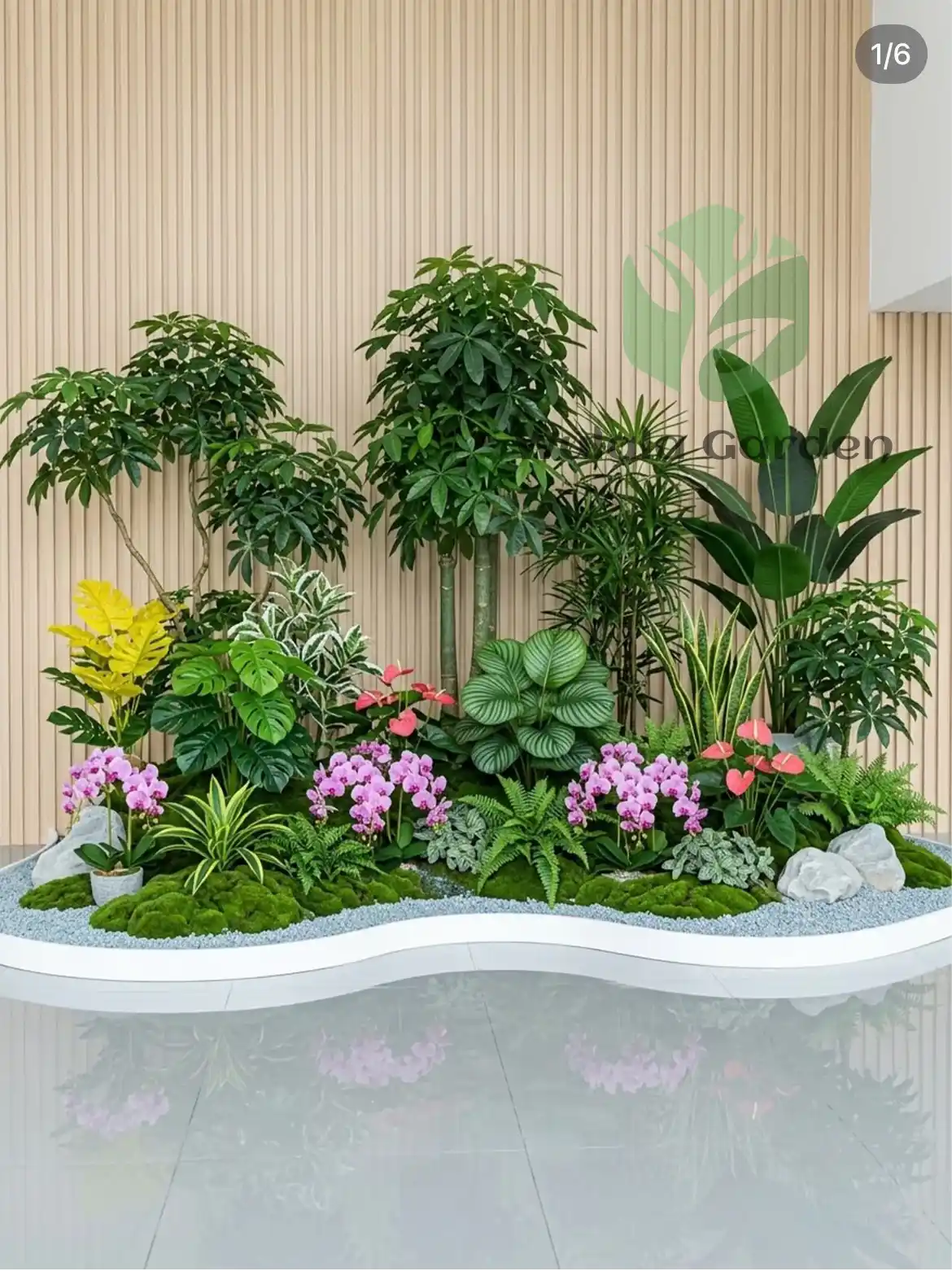
1. When Is the Best Time to Prune a Pachira Aquatica Tree?
Prune During Active Growth
The Pachira Aquatica Tree should be pruned during the period of intensive growth of the plant, since in this way it will be able to recover and grow new shoots much more easily. In the case of indoor plants, this period is usually the warmest time of the year when there is plenty of sunlight. However, before the process of pruning starts, it should be ensured that the tree is growing actively and is not experiencing any negative effects like drought, problems with the roots, insects, or cold.
Light is important too. The plant will require proper light for successful development following pruning. Bright indirect light is preferable to shady corners. Where the plant has become leggy due to inadequate light, improvement in the growing conditions before pruning or during pruning could yield favorable results.
Avoid Pruning During Cold or Stressful Periods
Another tip is to avoid pruning the plant when it is stressed by any environmental factor. Changes in temperature, dehydration of the plant, overwatering, or recent repotting of the plant could cause it not to cope well with the pruning process. Nevertheless, if there is a dead or damaged branch, then corrective pruning could be done at the proper time. The main distinction is between cutting off sick or dead branches and conducting structural pruning.
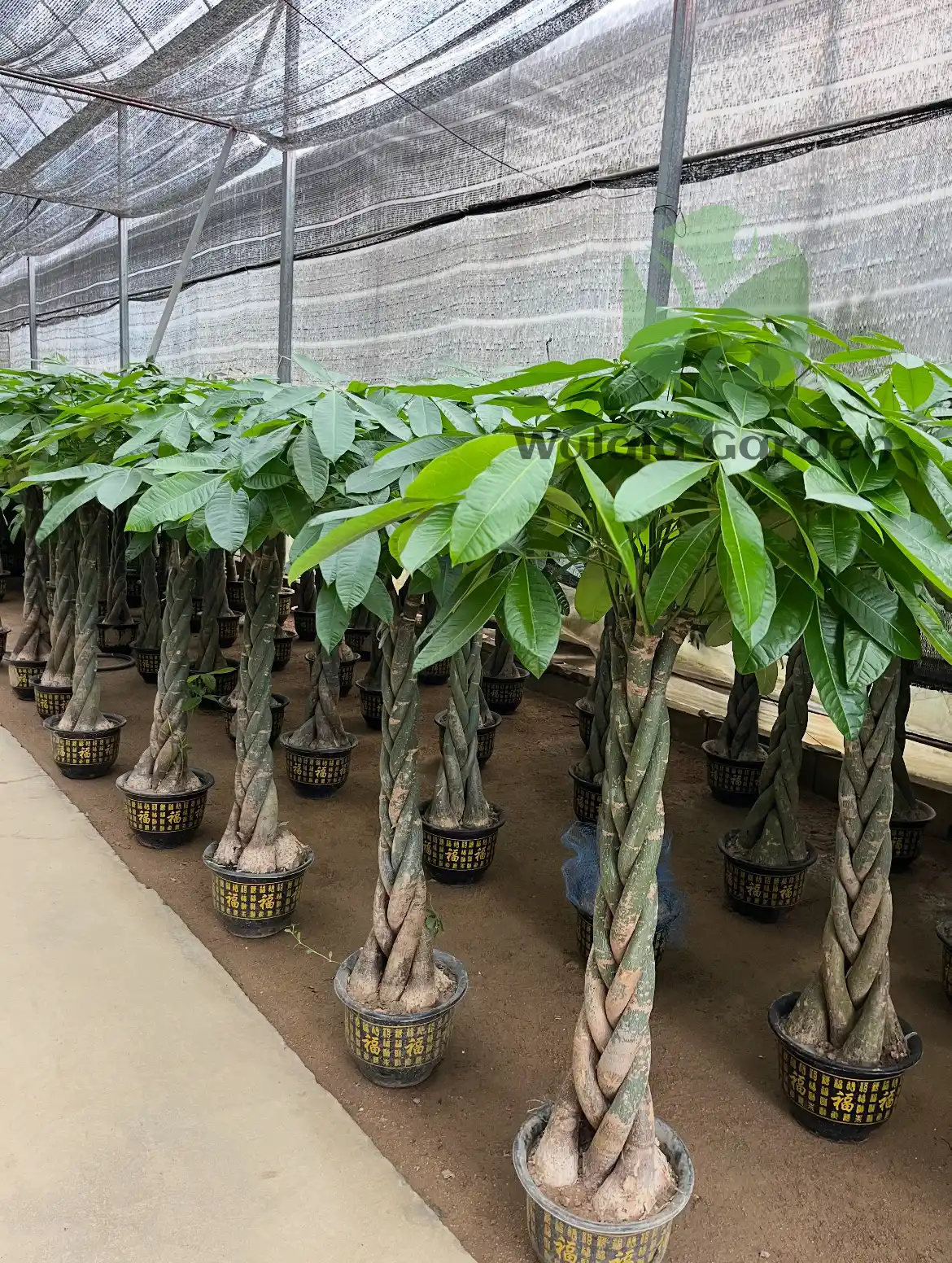
2. How Do You Prepare to Prune a Pachira Aquatica Tree?
Choose the Right Pruning Tools
Sharp bypass pruning shears are suitable for most small stems. The blades should cut smoothly and not crush the plant tissues. In case of thicker branches, use a tool that matches the size of the stem and do not attempt to cut it with smaller scissors. Preparation checklist:
- Sharp pruning shears
- Clean cloth or paper towel
- Disinfectant
- Gloves if preferred
- A container for removed plant material
Avoid using blunt tools because crushed stems can leave rough wounds that take longer to dry and heal.
Clean and Disinfect the Tools
At the beginning of the process, one should clean the pruning tools that they are going to use and, especially if you change plants, sterilize the blades to reduce the possibility of pathogen transmission between plants. Let the sterilized blade dry before making the cuts. If several plants are being pruned, clean the blades again between plants rather than assuming one round of cleaning is sufficient for the entire task.
Check the Tree Before Pruning
Look around the Pachira Aquatica Tree from all sides before making your first cut. Inspect the tree for dead branches, yellowed leaves, branches that are growing against each other, and shoots growing far from the rest of the canopy. It is also useful to identify healthy leaf nodes. These are the points where leaves or new shoots emerge and can help determine where a stem should be shortened.
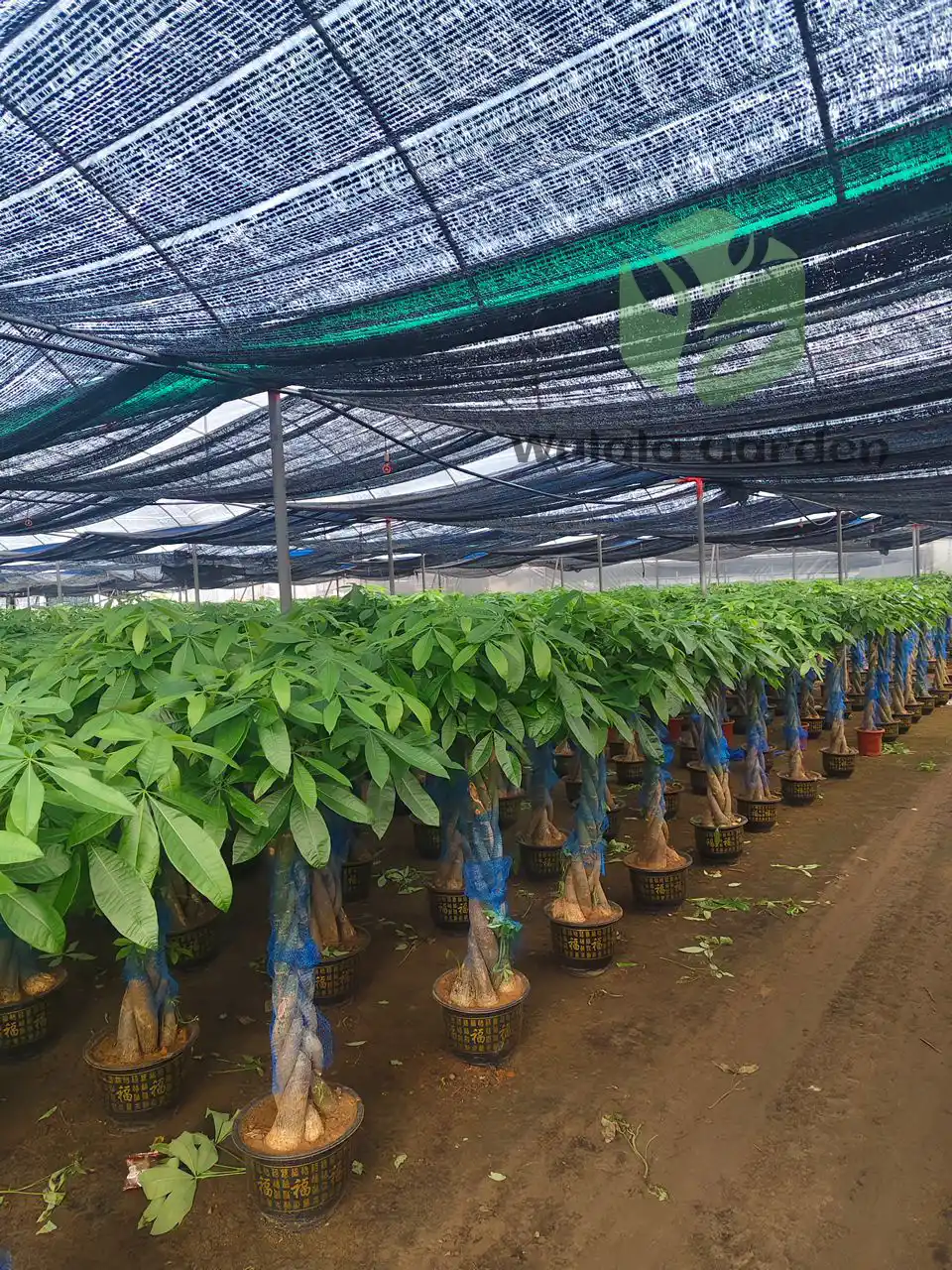
3. How Do You Prune a Pachira Aquatica Tree Step by Step?
Remove Dead, Yellow, or Damaged Leaves
Start with the simplest cuts. Remove completely dead leaves and damaged plant material rather than immediately cutting healthy branches. Discoloration is one of the factors causing the leaves to turn yellow because of environmental factors such as improper watering, lack of sun, aging of the plant, and others. In the case of the Pachira Aquatica Tree, it is advised to cut out the parts that are diseased or old, since then the process will be easier for you.
Cut Back Overgrown or Leggy Stems
Once you have trimmed off the diseased parts, there is another task of identifying stems that are too tall or grow in the wrong direction. You can cut these leggy stems so that your tree will look shorter. It is very important that, while cutting the stem, you do it in the place above the node of the stem. This way, the cut stem can develop into a new branch.
It is important not to cut all long branches at the same level; instead, vary the length of the cuts somewhat to allow the formation of a more natural and symmetrical canopy. This will help avoid making the plant too uniform and provide new shoots with sufficient room to grow.
Trim Above a Healthy Leaf Node
The position of each cut matters when shortening a healthy stem. Look for a suitable node, which should be directed to the area where new growth is needed, and make the cut about 0.5–1 cm above it. For instance, if a stem is growing toward the center of the canopy, look for an outward-facing node. This will promote future growth in the less crowded areas. Do not make too many cuts around the same node, and do not remove most of the stem. A few good cuts are usually better than excessive trimming.
Shape the Canopy Evenly
After you have cut each stem individually, take a step back and look at the whole Pachira Aquatica Tree. Observe the height and width of your tree as well as its balance from different sides. Your aim should not be making your tree uniform. Your aim should be creating a balanced appearance of the tree canopy by providing enough distance between large stems. If one part of your tree is significantly denser than the other, you can use trimming as a means of achieving balance.
4. How Much Should You Prune From a Pachira Aquatica Tree?
Avoid Removing Too Much Growth at Once
The biggest mistake that people make when pruning their trees is taking off everything they consider unnecessary in a single session. It is important to take into account that for a healthy Pachira Aquatica Tree, a minimalistic pruning approach is preferable. As a rule of thumb, try not to prune more than 20–30 percent of the canopy volume in one go.
Give the tree several weeks to heal after trimming and observe how it is doing regularly. New sprouts, green leaves, and growth will indicate that the Pachira Aquatica Tree is adjusting to the new form very well. However, if there is any weak growth or stressed leaves, evaluate the lighting, watering, and other growing conditions of the tree prior to trimming more branches.
Balance Height and Side Growth
The trim needs to be done to the vertical as well as lateral growth. Rather than trimming only the tallest branches over and over again, cut some of the tall branches while leaving several side branches intact. In this way, there is enough foliage left to conduct the photosynthesis process. After the trim is complete, make sure that the lighting and watering are right. The Pachira Aquatica Tree will not grow strong branches simply because branches have been cut.
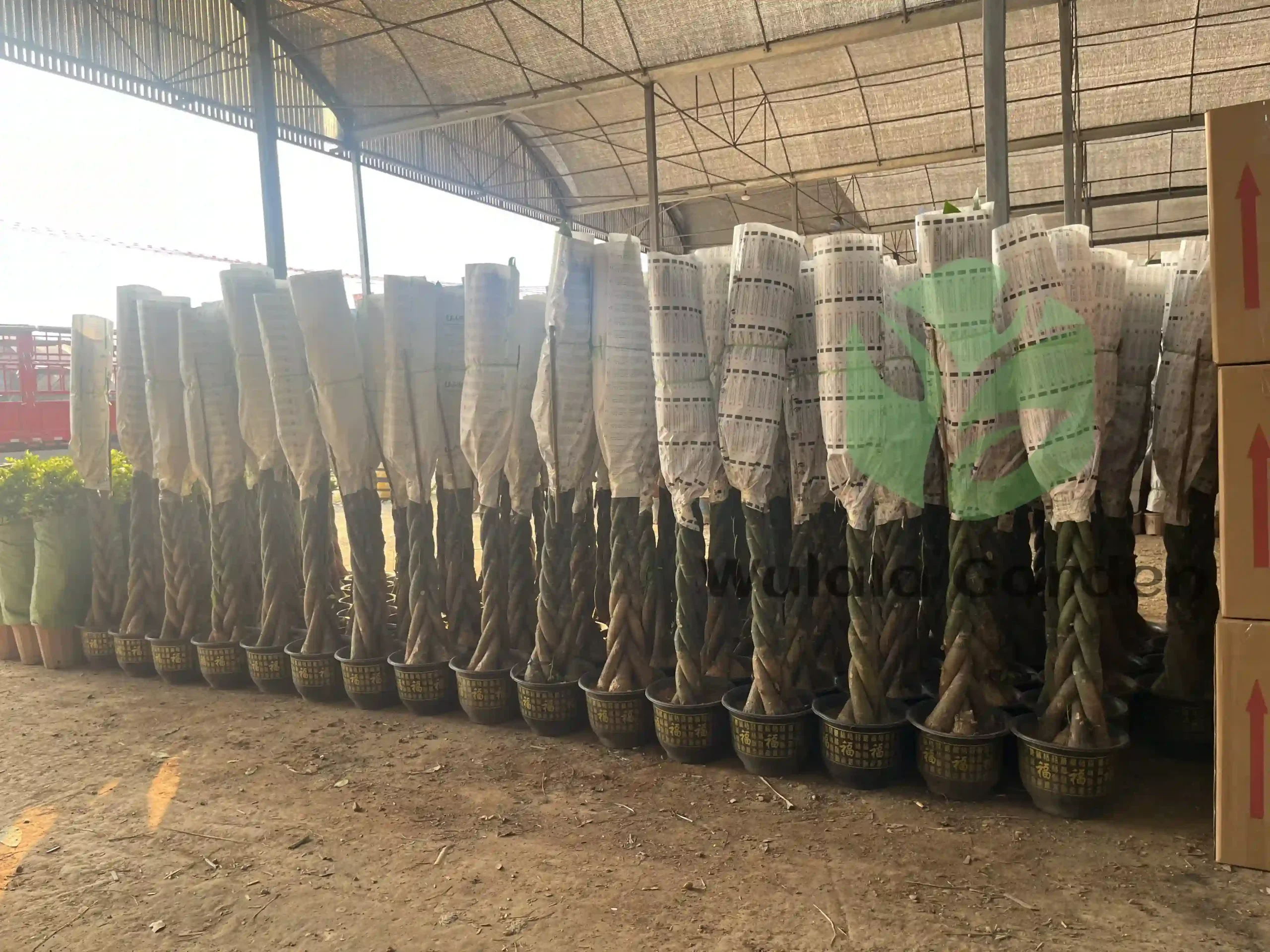
5. How Can You Maintain a Fuller Pachira Aquatica Tree After Pruning?
Pruning is only one of the steps that will help keep your dense canopy healthy. Following pruning, make sure that the plant is placed in direct or indirect light, is protected from temperature fluctuations, and is watered according to the moisture content in the soil rather than on a schedule. Ensure that the pot is properly drained so that no excess water collects. Always make sure that new shoots are checked periodically and the damaged parts are cut down when necessary.
If the tree always comes up with long and weak stems, then recheck the lighting conditions, not the cutting process. The ideal combination of pruning, lighting, watering, and growing conditions may help the Pachira Aquatica Tree grow with better structure and density.
6. Conclusion
Selective and timely pruning can help the Pachira Aquatica Tree grow better. Make sure that you prune the damaged parts, prune long stems above healthy nodes, and never prune more than 20-30% of the canopy at one time. If you have any questions about pruning, please feel free to contact us.