
The growth of a Lagerstroemia Speciosa will depend on several factors, such as light, soil, watering, planting place, and care. This type of plant is called Queen’s Crape-Myrtle because the flowers are pink or lavender and the bark is mottled. When the climatic conditions are favorable for the plant, it grows quickly and can reach a height of 40 to 60 feet and spread 30 to 40 feet. The plant is perfectly acclimatized to warm climates and, according to the UF/IFAS, is present in USDA Hardiness Zones 10B to 11.
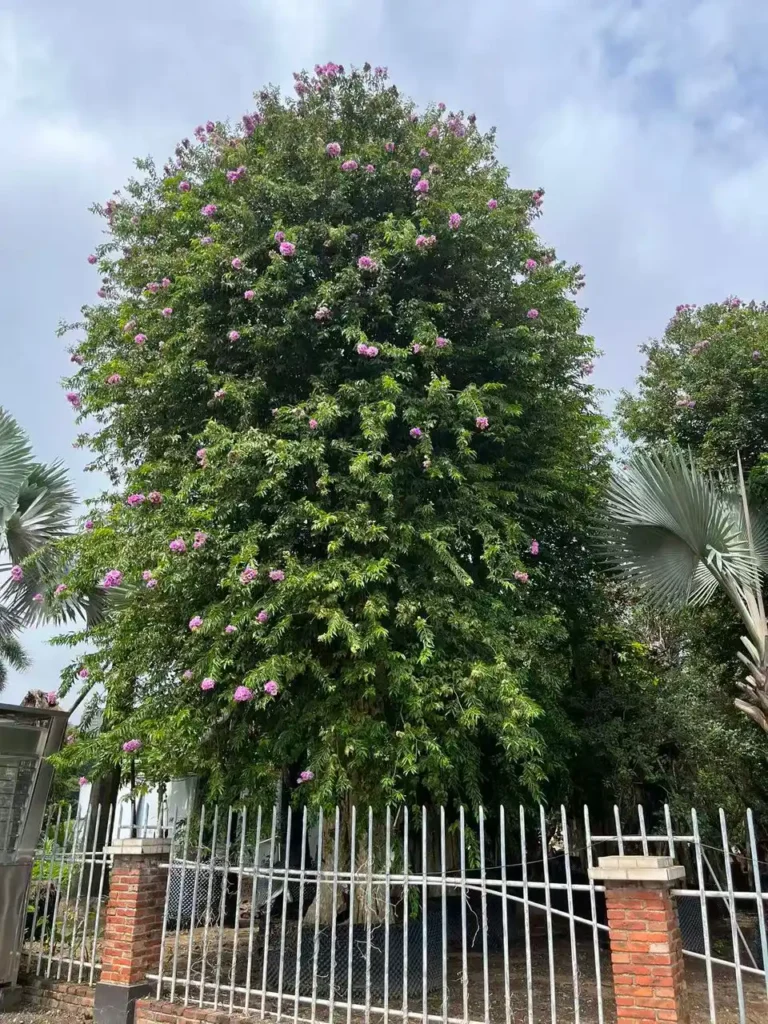
1. What Growing Conditions Does a Lagerstroemia Speciosa Tree Need?
A suitable place for planting a Lagerstroemia Speciosa Tree will depend on whether or not it can offer a suitable environment for the growth of the tree to its maximum.
Choose a Warm and Sunny Location
A Lagerstroemia Speciosa Tree thrives under full sun exposure. The planting place should get several hours of sunlight per day with preference to having it all through the growing period of the plant. Sufficient light promotes the growth and flowering of the plant; the shaded area inhibits this process. The plant can develop well in warm areas, so it needs protection against the cold and frost.
Prepare Well-Drained Soil
Proper drainage is important since constantly wet soil will prevent roots from growing and will cause some difficulties for the roots. This type of plant is able to grow in clay, sand, and loam soils under the conditions of acidic and alkaline soils. However, it is necessary to provide good drainage at the planting site. The planting process includes such steps as soil loosening, rocks and weeds, and addressing other obstacles in places where water does not drain after rain.
Allow Enough Space for Mature Growth
Mature specimens can be 40-60 feet tall and 30-40 feet wide; therefore, it is necessary to plan sufficient space for them based not on their present sizes, but on those at which they will grow up to, thus avoiding any difficulties due to lack of space. Space will give the opportunity to grow naturally without much pruning.
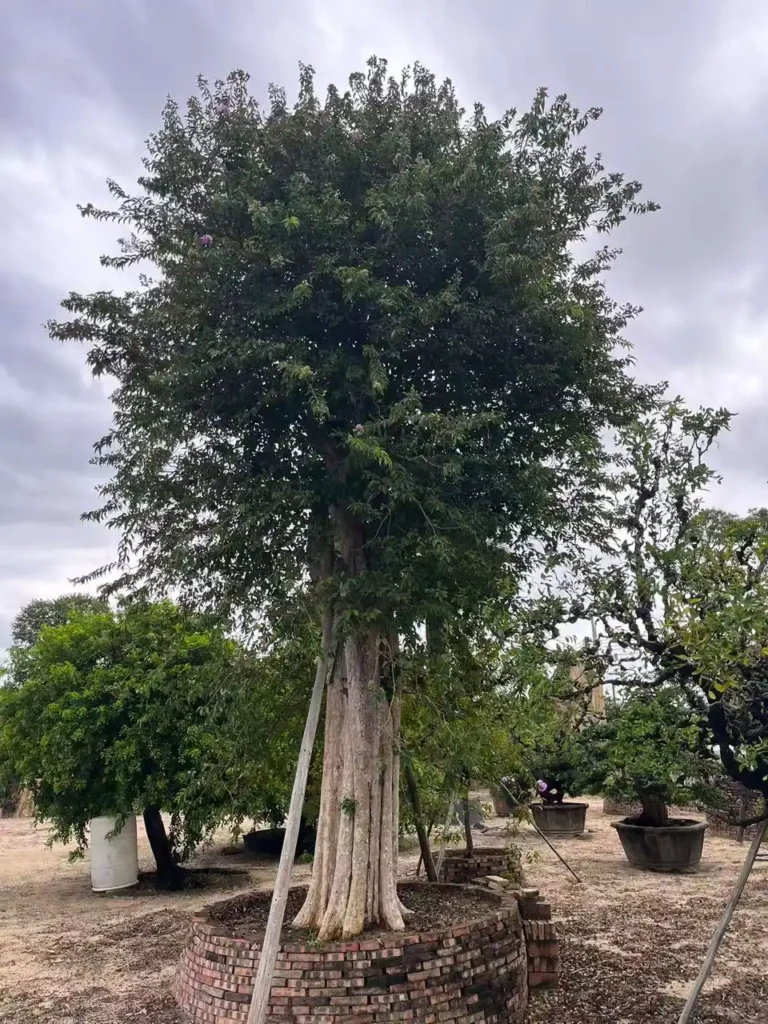
2. How Do You Plant a Lagerstroemia Speciosa Tree?
Correct planting will help the young tree get a good beginning. It is possible to plant it from seeds or use young trees obtained from nurseries. UF/IFAS states that seeds grow easily, and propagation can also be carried out through cuttings and root suckers.
Select Healthy Seeds or Young Trees
When thinking about planting a tree, one of the key issues that needs consideration is that you need to get healthy seeds that are mature and are not damaged. Seeds allow you to grow a wide range of plants in your garden, and nursery plants can grow very fast in the landscape. The nursery plants should have healthy leaves, a healthy root ball, and no bending of stems.
Prepare the Planting Site
Other plants need to be removed from the planting area, and a hole, which is larger than the root ball of the plant, should be dug. Soil where the plant will grow needs to be loose enough to ensure that the roots will have enough room to grow and will not be compacted. The level of the soil should be similar to that of the root ball. It prevents waterlogging of the roots.
Plant and Water the Tree Properly
You need to plant the tree in an upright position in the hole and then fill the hole with the soil that was removed. Irrigation can be done after planting for the soil to pack around the roots tightly. Enough moisture, but without waterlogging, should be provided when planting the tree.
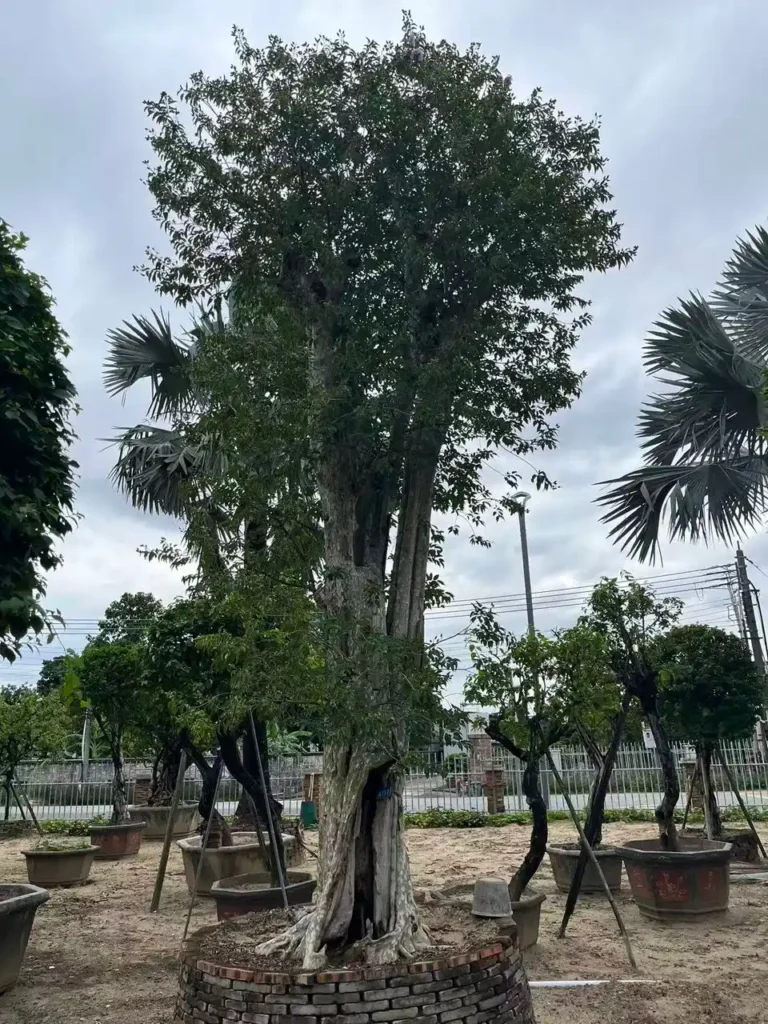
3. How Do You Care for a Lagerstroemia Speciosa Tree?
The drought tolerance of the Lagerstroemia Speciosa Tree is quite high if the tree has reached maturity; however, for a young Lagerstroemia Speciosa Tree, consistent care becomes necessary. Watering, nutrition, and pruning are vital to ensure growth and flowering of the tree.
Water Regularly During Establishment
It is necessary to monitor newly planted trees quite frequently, particularly during hot and/or dry weather periods. It is recommended to water the tree deeply rather than just the top surface of the soil since deep watering allows the water to reach the roots of the tree. Once the tree reaches maturity, it becomes essential to reduce watering because of the high drought tolerance in mature trees; however, it is helpful to provide some more water during drought periods.
Apply Fertilizer for Healthy Growth
Nutrition helps with leaf formation, root growth, and flowering. While mature Lagerstroemia Speciosa Trees can grow in a wide range of soils, according to UF/IFAS, fertilizing regularly can be beneficial, and a lack of nutrition can cause chlorosis. The most reasonable way to determine if the plant requires fertilizer is to conduct soil testing first. It will help to avoid over-fertilization of the plant. You should apply fertilizers in accordance with the manufacturer’s recommendations.
Prune to Maintain a Healthy Shape
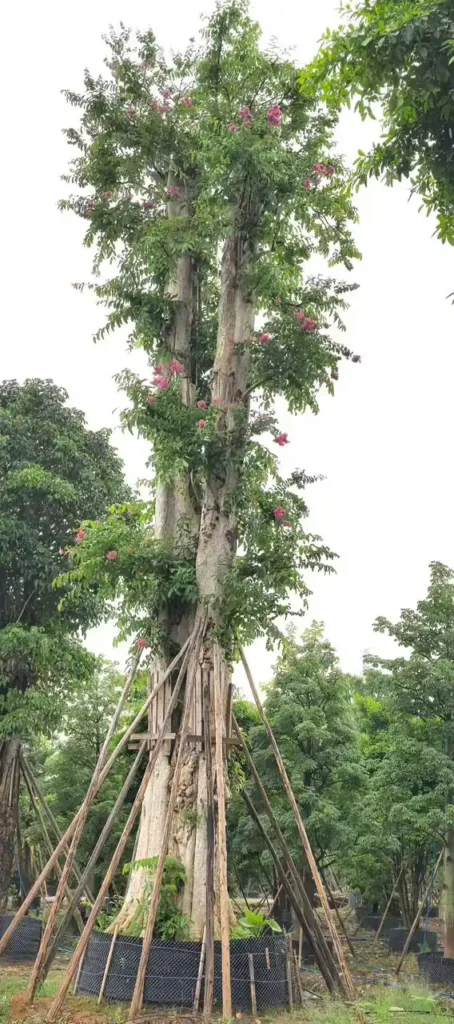
Pruning should be done to foster a strong structure rather than just to reduce the size of the tree. Selective pruning of some branches in poor positions will help in the case of young trees, whereas occasionally, pruning for corrections could be done for mature ones. The species tends to produce multiple trunks naturally, but, also, it can be cultivated into a single trunk if other structures are desired.
Prune only when needed for proper formation of branches and keeping appropriate clearance. Do not over-prune because of the tendency to produce regrowth that will look unnatural.
4. What Problems Can Affect a Lagerstroemia Speciosa Tree?
Usually, a healthy Lagerstroemia Speciosa Tree does not have pest and disease problems, but sometimes, there occur problems with pests and diseases because of stress and poor care. Regular inspection of the tree will help you find any problems.
Watch for Common Pests
Some of the pests known to attack this tree are aphids and scales. They may feed on the young shoots and leaves and cause weakening of the plant in the case of their large population. Sooty mold may appear after the production of honeydew by sap-feeding insects. Inspection of the new shoots and leaves from below should be done regularly.
Prevent Fungal Diseases
Major diseases do not appear to be a concern for this plant variety; however, extremely wet conditions may cause unfavorable circumstances for root and leaf issues. Therefore, proper air circulation, adequate spacing, and well-drained soil become extremely important in such cases. In addition, it is helpful to avoid overhead watering and prune badly affected parts of the tree. Dry leaves can prevent the development of some fungi.
Avoid Poor Drainage and Nutrient Problems
Poor drainage of the soil, absence of nutrients, and soil compaction might be the causes of this problem even when proper light and temperatures are provided. This is because the yellowing of leaves, poor growth, and absence of flowers indicate that there might be a problem with the growing conditions of the plant. Before adding fertilizer or more water, one needs to assess the soil moisture content.
5. Conclusion
The cultivation of a Lagerstroemia Speciosa Tree is initiated by choosing an appropriate site that is sunny and warm and with adequate drainage, as well as correct planting and establishing the plant, since the plant has the ability to grow up to 40-60 feet tall and 30- 40 feet wide.
Once the plant has been established, it will be able to cope with drought situations, and maintenance of the plant will be easy. This can be done through regular monitoring, proper nutrition, pruning, and drainage of the plant. Should you have any questions,please feel free to contact us.