
The loropetalum bonsai tree will perfectly suit gardeners who appreciate beautiful foliage, unusual shape, and flowers that bloom all year round. Uniqueness of this bonsai tree is in the combination of purple red color of both foliage and petals of flowers, which makes it a very unusual plant.
But only watering is not sufficient in order to keep a healthy bonsai. Such elements as light, soil, fertilizers, pruning, and other maintenance processes will also be required to grow a good loropetalum bonsai. This paper considers some basic ways of maintaining your loropetalum bonsai tree.
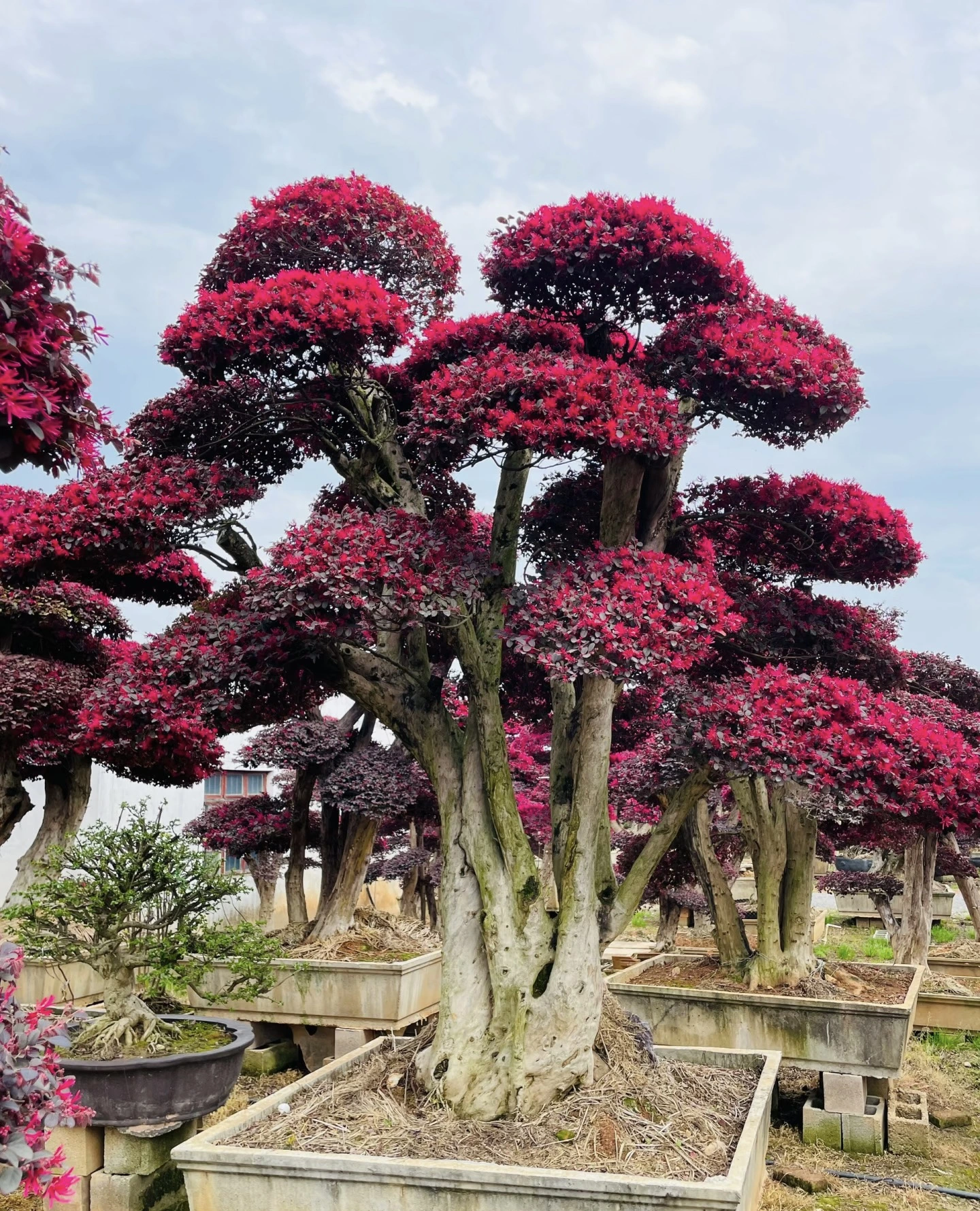
1. What Is a Loropetalum Bonsai Tree?
Characteristics of the Loropetalum Bonsai Tree
The Loropetalum bonsai is a form of flowering shrub known as Loropetalum chinense, which belongs to the witch hazel family. Unlike other plants, this one is unique as it not only looks great but also possesses some seasonality. The foliage of the plant is purple or burgundy colored. Fringes of flowers blossom during spring and summer.
The main advantages of growing this bonsai include:
- Moderate growth rate: It grows slowly, making it easy to take care of it and shape properly.
- Attractive foliage: The purple-red leaves will be beautiful throughout the year.
- Interesting flowers: Pink or white flower fringes create additional beauty during the flowering period.
- Easy pruning and shaping: The flexibility of the branches makes it easy to trim.
Thus, with good care, it can become a balanced tree with an interesting trunk and branches.
2. Loropetalum Bonsai Tree Growing Environment Requirements
Light, Temperature, and Positioning
Loropetalum bonsai tree needs lots of sunlight. The tree should have about 4-6 hours of direct sunlight for healthy foliage and blooming flowers.
Insufficient light may result in:
- Faded leaf color;
- Weak branch growth;
- Fewer flowers;
- Loose and unattractive shapes.
If the temperature goes too high on any day, that is above 32°C (90°F), there should be partial shade in the afternoon, since it will not hurt the foliage of the tree at all.
As far as the temperature is concerned, it will be appropriate if the temperature fluctuates between 15°C and 28°C. In the winter, the temperature should not go below 5°C.
Many people like to grow their loropetalum bonsai tree at their homes; however, it is much better if the tree is grown outside because it requires sunshine and fresh air for its good development. However, if the tree has to be grown at home, then it should be grown near the south or east window.
3. How to Water a Loropetalum Bonsai Tree Properly?
Keeping the Right Level of Moisture
Watering is among the procedures that are fundamental to the care of a loropetalum bonsai tree. It does well in moist soil, although it does not do well in stagnant water.
A simple seasonal watering guide:
- Spring: Provide water every 2-3 days, adjusting the frequency based on soil dryness and local weather conditions.
- Summer: Check the soil moisture daily during hot periods, as higher temperatures can cause faster water loss.
- Autumn: Reduce watering frequency and usually water every 3-5 days based on the plant’s condition.
- Winter: Water less often when growth slows down and the plant requires less moisture.
For testing whether the plant needs watering, one should look for dryness in the top 2-5 cm of the soil.
Watering will ensure that the water passes through the drainage holes at the bottom of the pot. This means that the water will be absorbed by the roots efficiently while not causing any root rot problems.
Common watering mistakes include:
- Keeping soil constantly wet;
- Watering without checking soil moisture first;
- Using pots with inadequate drainage.
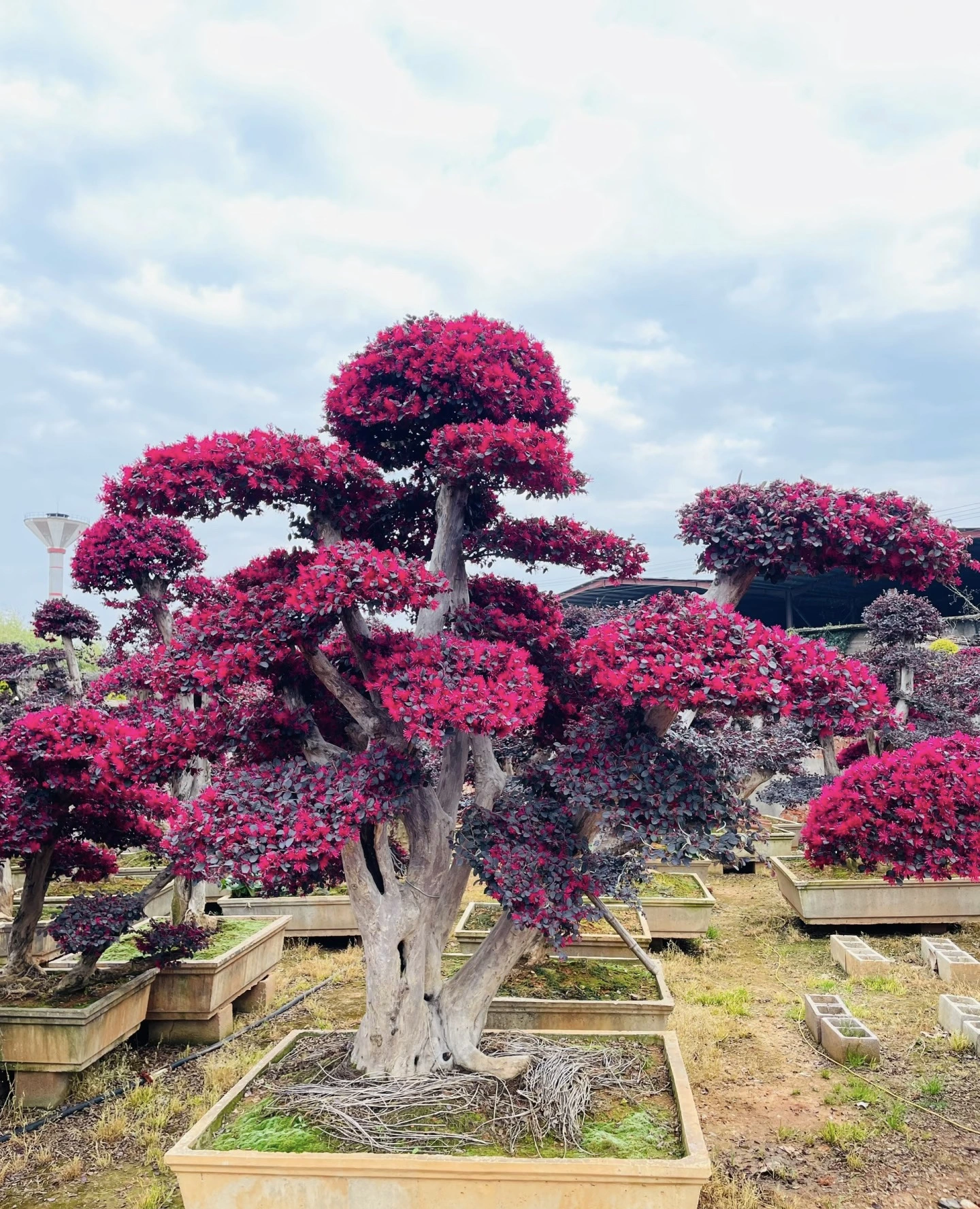
4. How to Fertilize a Loropetalum Bonsai Tree?
Choosing the Right Nutrients
Bonsai trees have a reduced amount of soil, thus nutrients are used up faster than those used by garden plants. Fertilizer will be required to enable the Loropetalum Bonsai to have good growth of its leaves and branches.
Important nutrients include:
- Nitrogen (N): Supports foliage growth;
- Phosphorus (P): Encourages flowers and root development;
- Potassium (K): Improves overall plant strength.
Fertilizer must be used once every 4-6 weeks throughout the growing period. Typically, it is always advisable to use slow-release or organic fertilizer.
Recommended fertilizing schedule:
- Spring: Apply fertilizer to promote leaf growth and branch development during the growing period.
- Before flowering: Apply fertilizer that contains high amounts of phosphorus to help improve blooming and flowering performance
- Late autumn: Fertilization should be gradually reduced as the plant is about to enter the dormant stage and requires less amount of nutrients.
Excessive fertilizer must be avoided since excessive nutrients may damage both the roots and leaves.
5. How to Prune and Style a Loropetalum Bonsai Tree?
Creating a Healthy Bonsai Shape
Pruning is essential when considering what your loropetalum bonsai tree will look like. Lack of pruning will see your branches growing longer, thereby losing their bonsai small look.
Pruning benefits include:
- Maintaining shape;
- Encouraging new shoots;
- Improving airflow;
- Creating balanced proportions.
The ideal time for pruning is after the flowers have blossomed. The period of growing season allows for minor trimming to help control new growth.
It is recommended not to prune more than 30 percent of the foliage since such pruning will hinder growth.
Popular styling options include:
- Natural, informal style;
- Layered cloud style;
- Slanting bonsai style.
Different styles bring out the beauty of different branch structures.
6. Common Loropetalum Bonsai Tree Problems and Solutions
The loropetalum bonsai tree will still face some common problems despite adequate care.
Common problems and remedies in growing a loropetalum bonsai tree:
- Yellow leaves: It happens due to overwatering or nutrient imbalance. Make sure to check on the drainage system and change your feeding regimen if needed.
- Leaf dropping: Rapid changes in the surrounding conditions, such as transfer or change of lighting, may stress the plant. Do not make rapid changes in the surrounding conditions to prevent this problem.
- Few flowers: Lack of sunlight or inappropriate timing of pruning may lead to poor blooming. Ensure there is plenty of light and change your pruning schedule to stimulate flowering.
- Weak growth: Nutrient deficiencies or poor quality of soil may result in poor growth. Amend soil conditions and give proper feeding to solve this problem.
Observation is always the key to spotting potential problems.
Conclusion:
If one wants to produce an excellent loropetalum bonsai tree, one must learn how to maintain, not apply complicated techniques. Sufficient amount of sunlight, watering, fertilization, and pruning are some of the basics that will help the plant grow continuously.
The scientific name for this tree is Loropetalum Chinense, and this particular tree has gained its recognition due to its unique leaf color, flower color, and adaptive skills. In the case when this plant is used as a bonsai, then there is a combination of bonsai aesthetics and season changes of the flowering plant. In order to grow a nice red fringe flower bonsai, you just need to show patience and follow proper growing instructions.
In case you have any questions regarding the selection, planting, or cultivation of the loropetalum bonsai tree, do not hesitate to contact us at any convenient time.