
Healthy Cycas will add a new exotic touch to your garden, patio, or indoors. However, while this tree grows relatively slowly, adequate lighting, watering, and soil drainage are crucial for strong roots and healthy foliage. Information about requirements for the growth process could prevent problems like yellowing of leaves, decay, and pest infestation. With a regular care routine, one will be able to ensure steady growth of a Cycas tree without too much attention.
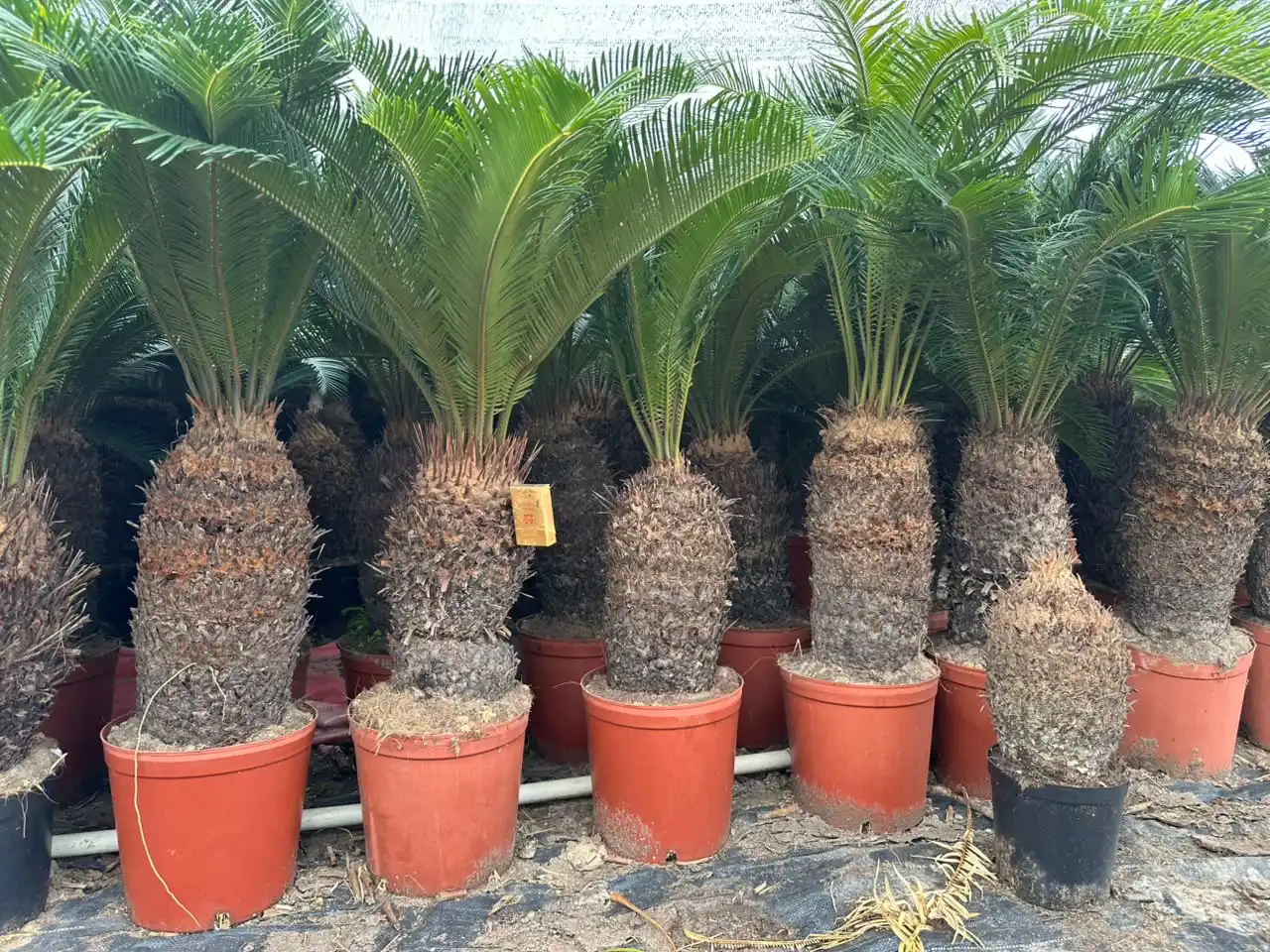
Tip 1: Provide the Right Amount of Sunlight for Your Cycas Tree
Full Sun vs. Partial Shade
In addition, the most common types of cycads, like Cycas revoluta, thrive in sunlit areas with plenty of sunshine per day. Plant outdoor trees in full sun, and use partial shade to protect leaves from leaf burn in warm climates. The best location will depend on the climate in your region and the plant’s history.
Adjusting Light for Indoor and Outdoor Plants
As for indoor cycad trees, they should be positioned near the window where they will get enough indirect sunlight or morning sunlight. Also, rotate the pot every so often to promote uniform growth. To take an indoor tree outside, it is necessary to acclimate the plant to the sunlight for 7-14 days.
Tip 2: Water Your Cycas Tree Without Overwatering
Check Soil Moisture Before Watering
Cycads can retain water in their thick stem; thus, they grow well in drier conditions rather than in wet soil. Ensure that when you water your plants, the soil remains moist to a depth of about 2 to 5 centimeters. Water the plant when the soil is entirely dry.
Reduce Watering in Cooler Weather
When temperatures become low and the growth rate becomes slow, the need for water will be low. During this period, the soil should be checked less often to ensure there is no water left in the saucers of the pot. Leaf yellowing accompanied by wet soil can be caused by root stress, although nutrient deficiency or age can also lead to this problem.
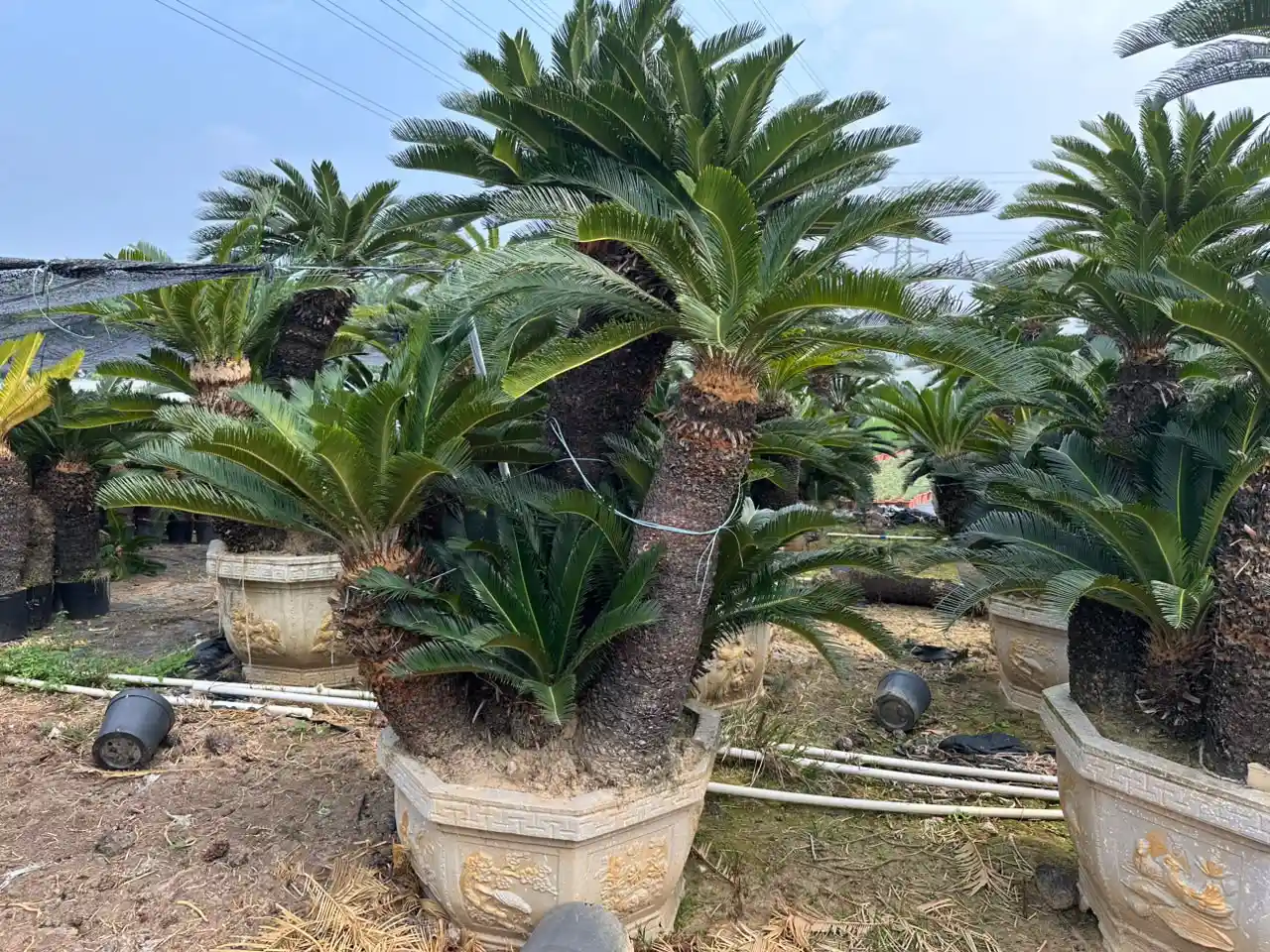
Tip 3: Choose Suitable Soil for Your Cycas Tree
Use a Loose, Well-Draining Growing Medium
Drainage is necessary, as the roots will be affected by wet soil. Good drainage of the soil is achieved by ensuring that the soil is well-drained, which requires well-draining potting soil containing materials like coarse sand, perlite, or pumice. Slightly acidic to neutral soil is good for cycads in cultivation.
Select a Pot with Drainage Holes
The chosen pot needs to have holes in its bottom that will aid in drainage of the excess water. Avoid using big containers because these tend to contain too much water. If you are going to grow the cycad in the open, it will be wise to improve the drainage to avoid the situation where the soil may get waterlogged when it rains.
Tip 4: Maintain Suitable Temperature and Humidity for Your Cycas Tree
Protect Your Cycas Tree from Frost
It must be remembered that while some species of cycads prefer warm climates, some can adapt to colder environments. Although the Cycas revoluta is very hardy when it comes to cold, it cannot withstand freezing temperatures. It will, therefore, be wise to grow it indoors or to protect it somehow.
Avoid Sudden Environmental Changes
It is the temperature, lighting, and airflow that affect the development of healthy foliage. Thus, it is important to protect your houseplant from drafts or heat from radiators. There is no need to worry about moisture, but about temperature.
Tip 5: Fertilize Your Cycas Tree During the Growing Season
Choose a Suitable Fertilizer
It is important to provide a balanced diet so that proper development of the leaves will be achieved in the case of cycads. It is necessary to use the fertilizer intended for cycads or ornamental foliage plants, as directed. A lack of nutrients could cause yellowing of some cycad leaves, although poor drainage and soil pH levels can also contribute to this issue.
Follow the Recommended Application Rate
Fertilize plants when they are growing, usually in the spring and summer seasons of temperate regions. Do not go beyond the recommended quantity on the package to stimulate growth; otherwise, it may burn roots and lead to browning of the tips of the leaves. Wait until the conditions are fixed in case you are dealing with an unhealthy plant.
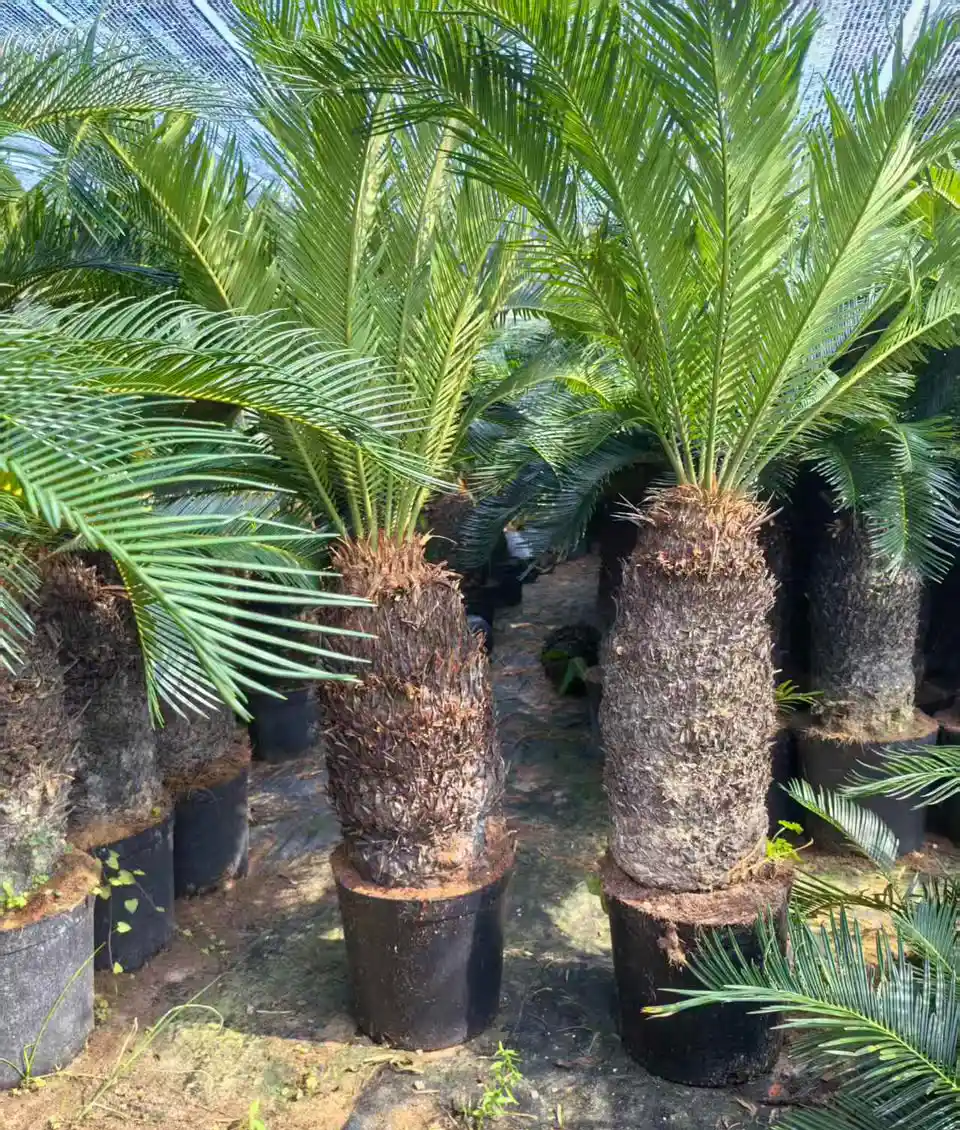
Tip 6: Prune Your Cycas Tree Without Removing Healthy Leaves
Remove Dead or Severely Damaged Fronds
Prune only leaves that have become completely brown or dead for any reason. Cut the leaves near the bottom of the petiole using a sharp tool without damaging the main stem. Clean your tool when moving from one plant to another if you do not want to spread infection to the second plant.
Keep Healthy Green Leaves Intact
Healthy leaves help the plants get energy for further growth and good functioning of the roots. The removal of green leaves will make the plant less vigorous, especially if the growth rate is low. Yellowing of old leaves is natural when the new ones start to develop.
Tip 7: Repot Your Cycas Tree When Necessary
Recognize Signs That Repotting Is Needed
Transplantation becomes inevitable because of root overcrowding, bad drainage, and the instability of the pot itself.. Nonetheless, slow growth does not necessarily indicate the need for larger containers, as many cycads develop roots slowly. Therefore, repotting will not bring any benefits and can be harmful to the plant’s roots.
Choose the Right Pot Size
Choose a slightly larger pot with good drainage. It should not be too large since the root system of the plant should be able to fill the whole space of the pot. The best time for transplantation is during active growth and warm conditions.
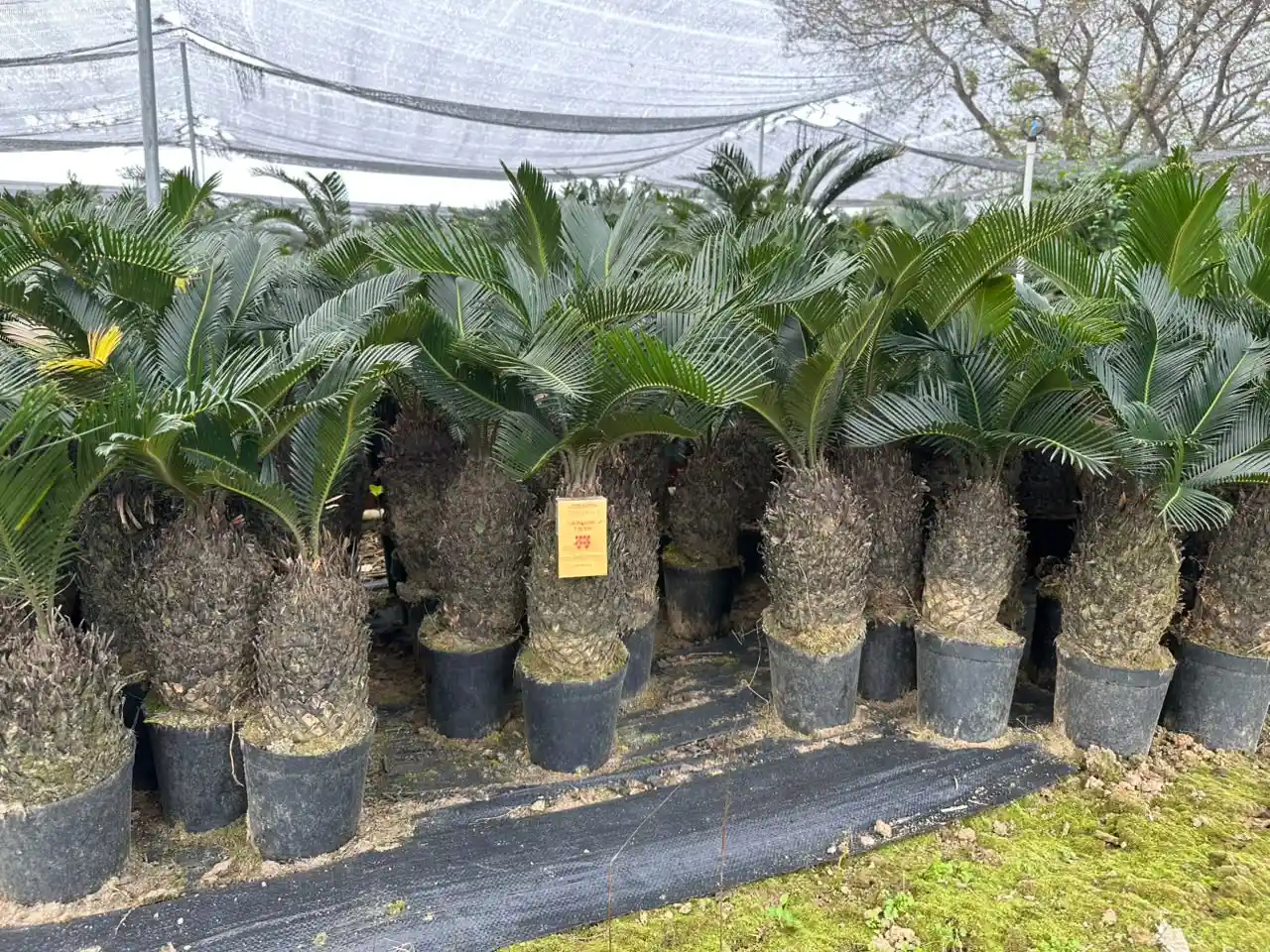
Tip 8: Monitor Your Cycas Tree for Pests and Common Problems
Check Leaves and Stems for Pests
Do not forget to look at the underside of fronds, at the base of the leaves, and at the trunk of the plant for signs of scales, mealybugs, and other pests. The presence of such a relatively small number of pests can be managed by destroying them.
Identify Yellow Leaves and Poor Growth
The reasons for yellowing of leaves may be old age of the plant, too much watering, lack of fertilizer, poor drainage, pests, etc. If you observe the yellowing of the leaves of your plant, it is necessary to check the moisture of the substrate, light, and changes in the care schedule in the first place. Beware of rot, especially when the crown of the plant smells bad.
Tip 9: Adjust Cycas Tree Care to the Seasons
Support New Growth in Spring and Summer
Warm weather may also stimulate new growth. It is recommended to provide proper lighting and water the plant when necessary, as well as use fertilizer as per the directions on the package. The appearance of new leaves may happen all at once and not continuously, which means that no water and no fertilizer should be added just because there are no leaves yet.
Prepare for Cooler Months
When the weather gets cooler, reduce watering and fertilization according to the soil’s drying rate. In addition, relocate pot-bound plants to places where freezing is impossible in case of cold winters. Pest elimination needs to be conducted, as well as ensuring sufficient light in the winter season.
Conclusion
Proper care for Cycas trees involves giving the right amount of light, watering, drainage, soil, proper temperature, and maintenance. Due to the slow-growing nature of the cycads, proper care should be given by offering a stable environment rather than changing it often. Consider the foliage and soil moisture environment. For any inquiries on the proper care of Cycas trees, feel free to contact us.