
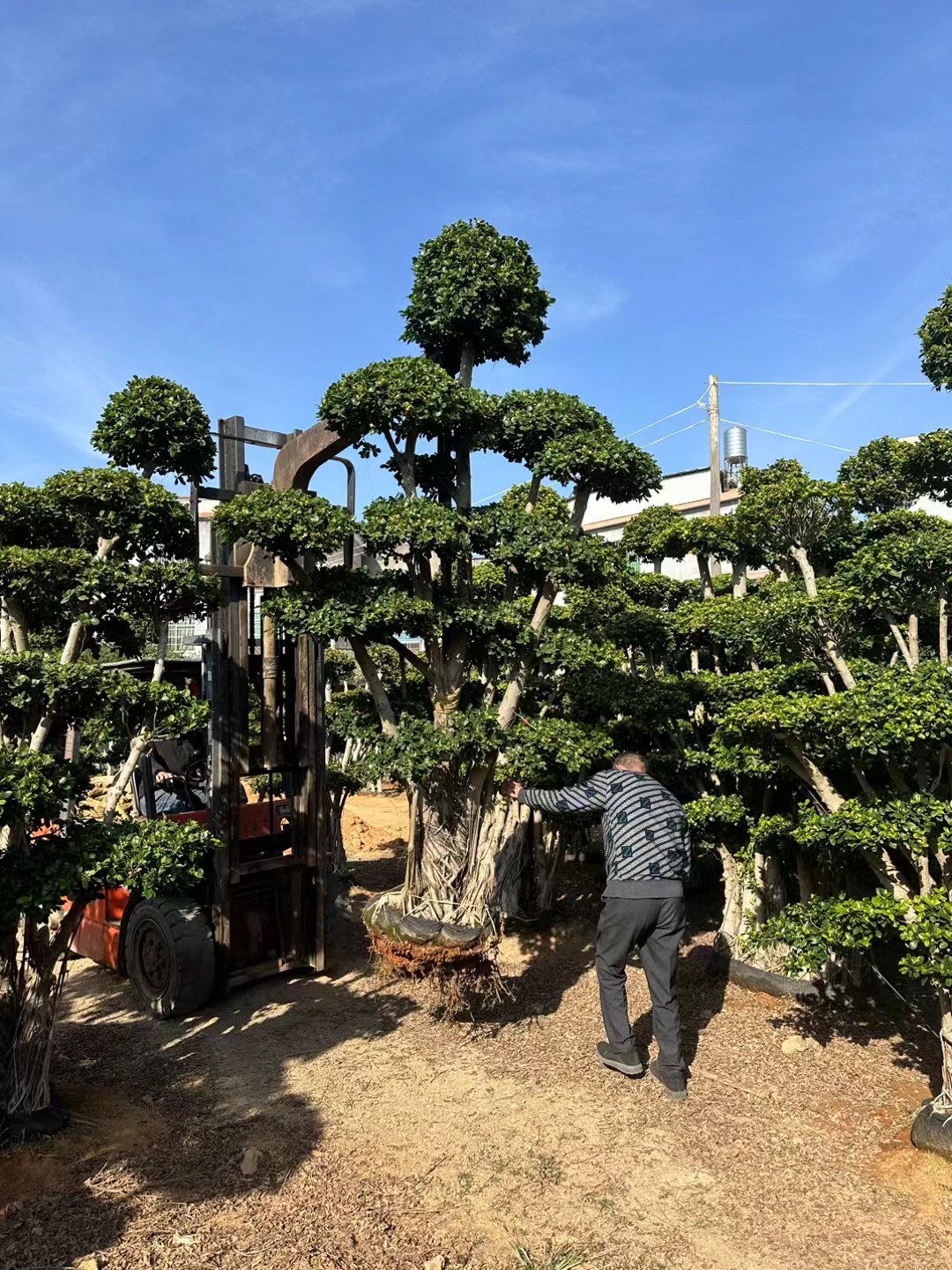
Proper ficus tree maintenance is essential for keeping ficus trees healthy and flexible, especially under extreme drought conditions. Popular kinds, including Ficus Bonsai, Variegated Ficus, Nan’an Root Banyan Tree, Ginseng Ficus, Shaped Banyan Tree, Strange Banyan Tree, and S-Shaped Ficus Microcarpa, all have unique sensitivity to frost, heat, failure, wind, storms, and devilish downfall. Understanding how each variety reacts to environmental stresses and applying acclimated ficus tree maintenance strategies ensures long- term vitality and aesthetic appeal.


Winter Frost and Cold Weather
Tropical species like Ginseng Ficus, Ficus Bonsai, and Variegated Ficus are especially susceptible to cold damage. Low temperatures can cause splint abrasion, yellowing, and slipping due to broken cell walls. The box and dinghy of Shaped Banyan and S- Shape Ficus Microcarpa may develop cracks, adding the threat of root infections. Indeed, hardy types like Nan’an Root Banyan Tree can be affected by cold soil, reducing water and nutrient uptake. Proper ficus tree maintenance during downtime frost is pivotal to sustaining photosynthesis and growth.
Protective Measures
- Move the sensitive plant specimens like Ginseng, Ficus, and Ficus Bonsai to an indoor or greenhouse setting to protect the plants from freezing conditions.
- Use frost cloth or insulative covers to protect outdoor specimens like Shaped Banyan and S-Shape Ficus Microcarpa to prevent the leaves and stems from getting damaged.
- Mulch the ground around the roots of all ficus trees to retain soil heat and protect against the effects of frost.
Summer Heat and Drought
High temperatures and water stress affect all ficus species. Variegated Ficus and Nan’an Root Banyan Tree may develop curling, wilting, or sunburned leaves due to excessive transpiration. Ficus Bonsai and Ginseng Ficus often experience stunted growth as water shortage limits photosynthesis. Even resilient types like S-Shape Ficus Microcarpa may shed leaves early to conserve water. Implementing proper ficus tree maintenance ensures trees survive heat and drought stress.
Protective Measures
- Provide shade for heat-sensitive materials (for example, Variegated Ficus and Nan’an Root Banyan), and move containerized trees inside if necessary.
- Carry out deep irrigation during the early morning or late evening for species Ficus Bonsai and Ginseng Ficus to maintain soil moisture content.
- Use humidity trays, foliar misting, and mulching on all species to mitigate heat stress and conserve water.
Strong Winds and Storms
Extreme winds and storms may physically damage all types of ficus plants. The branches of Shaped Banyan, Strange Banyan, and S-Shape Ficus Microcarpa are likely to get damaged, and those of Ficus Bonsai and Variegated Ficus may get torn, reducing their photosynthetic capability. Those with shallow roots, such as Nan’an Root Banyan Tree, are susceptible to being overturned, and rambling parts may damage the tree bark and make it vulnerable to infections and insects. Regular ficus tree maintenance helps prevent wind and storm damage.
Protective Measures
- Stake and support young or “top-heavy” species (example: S-Shape Ficus Microcarpa) against tipping over.
- Remove weak or damaged branches to prevent breakage before the onset of a storm.
- Use windbreaks or relocate potted trees such as Ficus Bonsai and Variegated Ficus to sheltered areas to support ficus tree maintenance.
Water Accumulation and Flooding
Too much rain can negatively impact every type of ficus due to improper drainage. This can cause root rot in Ginseng Ficus and Ficus Bonsai, while leaf and stalk moisture can increase fungal disease in Variegated Ficus and Shaped Banyan Tree due to prolonged exposure. Water may hinder nutrient absorption, resulting in chlorosis and premature leaf drop in varieties. Too little water can cause stunted plant growth, increasing the chances of insect infestation.
Protective Measures
- Ensure proper drainage or use raised beds for water-sensitive species like Ficus Bonsai and Ginseng Ficus to enhance ficus tree maintenance.
- Remove low-hanging branches and improve air movement to prevent fungal disease in Nan’an Root Banyan and Shaped Banyan.
- Mulching is not recommended if it is thick and during heavy rainfall, as this can result in waterlogged soil around the roots.
Pest & Disease Pressure Under Extreme Conditions
Excessive weather conditions increase vulnerability to pests and diseases for all ficus varieties. Stressed ficus species like Ficus Bonsai and Variegated Ficus have a tendency to attract spider mites, mealybugs, and scale insects. High moisture levels increase the chances of fungal diseases for Shaped Banyan, Strange Banyan, and S-Shape Ficus Microcarpa.
Protective Measures
- Constantly inspect the leaves, stems, and roots for different species after storms or heatwaves.
- Remove fallen leaves and debris to reduce fungal spores and insect breeding sites, supporting ficus tree maintenance.
- Use natural pesticides (for example, neem oil) only when necessary, and provide sufficient watering and aeration.
Long-Term Resilience Strategies
Ficus tree maintenance requires careful moisture and water control, particularly during heat or frost, while Ginseng Ficus needs stable soil humidity and temperature. Shaped Banyan, S-Shape Ficus, and Strange Banyan benefit from structural support during wind or storms. Variegated Ficus and Nan’an Root Banyan need shading and deep watering in summer. Seasonal adaptations, pruning for airflow, and regular monitoring of leaf and root health support adaptability across all kinds.
Conclusion
Through proper ficus tree maintenance under severe conditions. By understanding the effects of cold, heat, water stress, wind, storms, and heavy rain on each type of ficus, and following precautionary measures, these trees will grow well despite challenging surroundings. Wulala Garden provides professional ficus tree maintenance guidance, helping customers choose suitable plants, optimize their growing environment, and offering maintenance advice on watering, fertilizing, pruning, and pest and disease control, ensuring the plants thrive in various environments.