
Pandanus pygmaeus is a dwarf ornamental plant with narrow leaves that are spiral and feature a green center, while their margins are bright yellow. It is a slow grower; thus, the plant can be grown in containers, as border plants, and as ground covers. Propagation of the plant allows gardeners to increase their current collection of plants with the unique foliage features of the parent plant.
Where a gardener is considering growing this plant in different places, the best method of propagating Pandanus pygmaeus will involve separating already developed basal shoots, although cuttings of the rhizomes can be used as well. Information on the structure of the plant, preparation of tools, and aftercare can increase the chances of success.
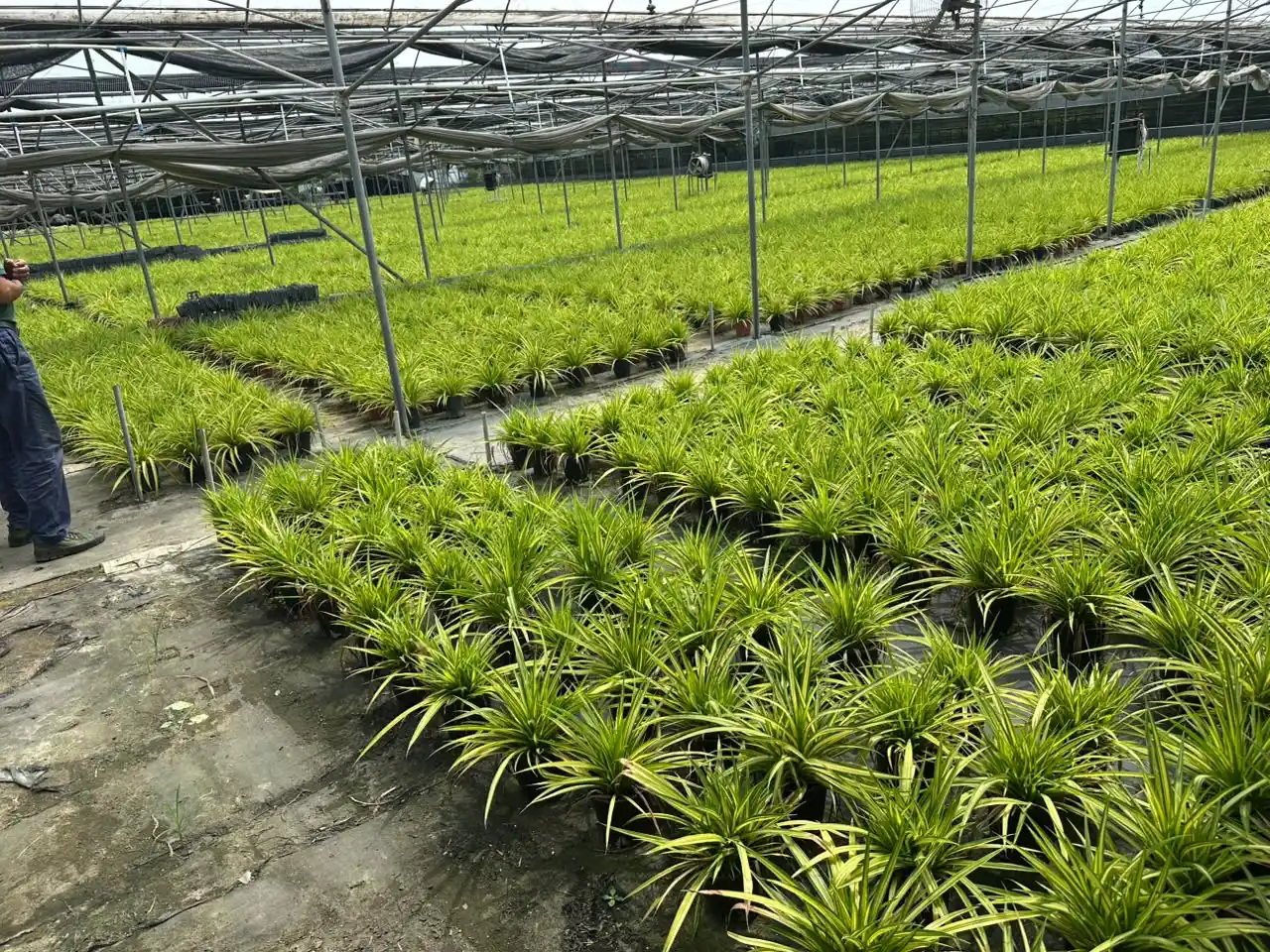
1. What Are the Best Ways to Propagate Pandanus Pygmaeus?
There are two main methods of propagation of Pandanus pygmaeus. These involve division and rhizome cuttings. In all the methods of propagation, no seeds are involved, but vegetative parts of the plants are. The selection of the most effective way to grow a plant will depend on the development of the parent plant, presence of offshoots, and the gardening skills of the gardener.
Propagation by Division
This method involves cutting away the young shoot or a rooted part from the parent plant. Here, it will be the easiest way if the Pandanus Pygmaeus plant is already mature and has developed an independent basal shoot. The use of an offshoot with established roots means there will be fewer new roots to grow.
Propagation by Rhizome Cuttings
The rhizome is an underground stem that allows the development of new roots and shoots depending on the conditions around it. The rhizomes can be used for reproduction of the species where there is a viable piece with a live part; however, special attention needs to be paid to it, as it is a cutting of underground plant parts.
According to the National Parks Board of Singapore, division and rhizome cuttings are propagation methods used for this species. However, the easiest way to start growing this plant for most gardeners is to take a rooted offshoot.
2. How Do You Propagate Pandanus Pygmaeus by Division?
Division is most effective when there have been offshoots formed by the mother plant that can be easily separated without causing too much harm. Doing the process while the plant is growing actively will provide the new plant with more chances to develop its roots and begin developing foliage.
Step 1: Selection of a Good Parent Plant
Select a strong parent plant with sturdy leaves and good growth. Also check that the base has a clear offshoot with a visible growing point and some already developed roots. Do not remove tiny shoots that still heavily rely on their mother plant. Well-developed divisions have a greater ability to absorb water and to recover after transplanting.
Step 2: Gathering Needed Materials
Gather the following materials before dividing:
- Thick gardening gloves to protect your hands from hook-like spines of the plant’s leaves.
- Clean, sharp knife or pruning instrument to divide the offshoot.
- Container with freely draining holes.
- Growing medium.
- Clean water to wet the root zone after planting.
Ensure proper disinfection of the tools used to reduce the chances of pathogen contamination. Select a pot that fits the roots of the current plant to minimize excess wet soil.
Step 3: Separate the Offset Carefully
Dig enough soil around the base of the plant to be able to find the point of separation between the two. Expose the roots with care and sever the offshoot at its point of attachment to the parent plant, avoiding unnecessary disturbance to the young Pandanus Pygmaeus root system.
Cut the offshoot from the parent using the tool prepared when it can not be done manually. As much as possible, do not hurt the growing point and do not cut anything else other than what you need.
Step 4: Plant the Division
Transfer the separated offshoot into its prepared pot and distribute the roots naturally instead of packing them in one place. Cover the roots with the growing medium and ensure the base of the plant remains in the same level as previously. Water gently till there is even moisture but no waterlogging.
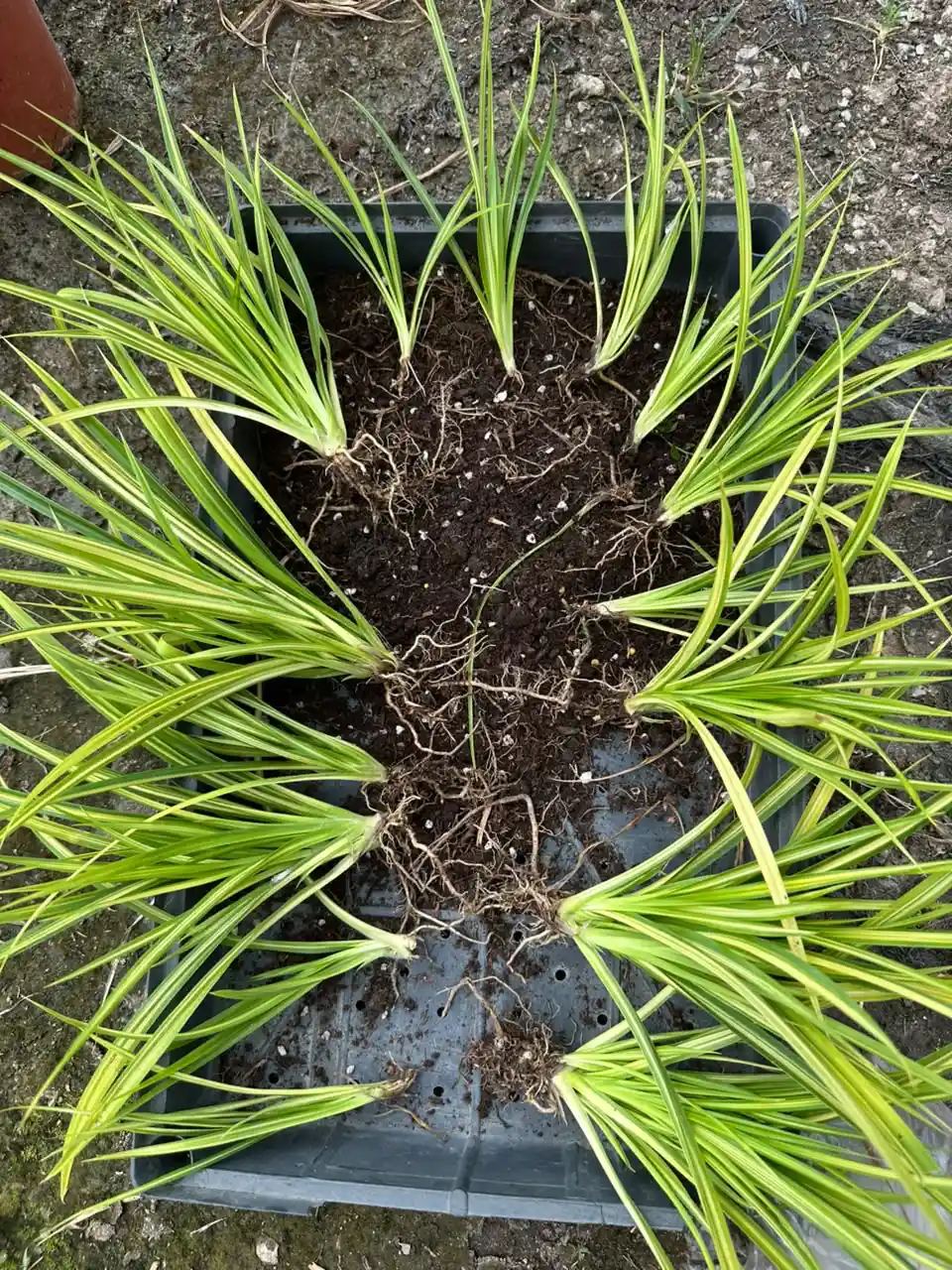
3. How Do You Propagate Pandanus Pygmaeus from Rhizome Cuttings?
Propagation from rhizomes must take into account the condition of the underground stem, as opposed to division, where the plant retains its old root system. With a rhizome, one may have to grow more roots before being able to continue growing shoots.
Select and Prepare the Rhizome
Carefully unearth the rhizome and choose a firm and healthy piece with viable growing tissues. Pieces that look black, mushy, dried up, or insect-damaged must be avoided. The chosen piece must then be separated from the mother plant using a clean and sharp tool.
The cutting may need a brief period to dry after separation, but leaving it exposed for too long can lead to dehydration. The success of propagation also depends on the individual rhizome piece’s ability to produce new growth.
Plant and Maintain the Cuttings
Put the rhizome in a clean box with moist but well-draining soil used as a propagation medium. Plant the rhizome depending on the direction of its current growth. Don’t plant it too deep.
Make sure the temperature of your environment is constant enough, and provide enough lighting and ventilation for the plant. You should control the condition of the medium, and add water to it from time to time, making sure that it does not stay too wet. Too much water may cause the decaying of the rhizome before the roots appear. The sign of successful propagation will be the appearance of new roots or shoots, but not the number of days passed.
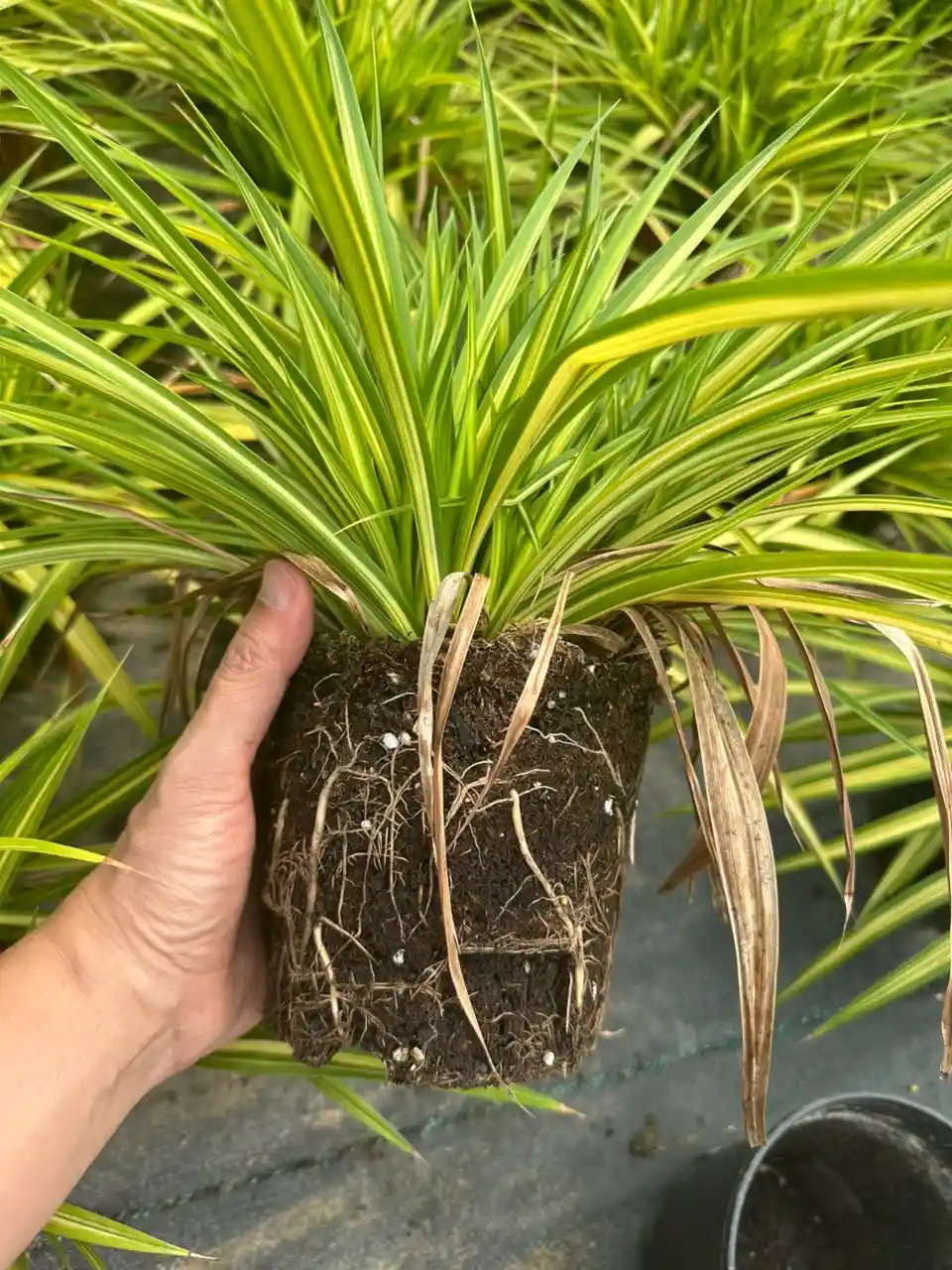
4. What Common Problems Can Occur When Propagating Pandanus Pygmaeus?
All in all, it is easier to manage any propagation difficulties if the gardener can distinguish between root damage and water stress or the recovery period after the cutting. Observations are especially important in case of young Pandanus Pygmaeus plants.
| Problem | Possible Cause | Recommended Action |
| Yellowing leaves | Root disturbance or unsuitable moisture levels | Check drainage and watering frequency |
| Soft, dark roots | Excess moisture or decaying tissue | Remove affected material and improve drainage |
| Wilting after division | Root loss or temporary water imbalance | Provide shelter and maintain moderate moisture |
| No visible new growth | Slow establishment or unsuitable conditions | Keep conditions stable and monitor progress |
| Brown leaf tips | Water stress or environmental damage | Review moisture, sunlight, and exposure to wind |
It is not advisable to remove all the discolored leaves immediately because it might mean that there are other leaves still healthy in the plant that are yet to be divided. It will be harmful to keep on digging to check the roots frequently since this could cause further harm.
5. Conclusion
Plant propagation starts with good plant material and an appropriate technique depending on how the plant grows. Division may be one of the easiest methods to use if there are already rooted offshoots in the plant. The cuttings of rhizomes would require more attention. Good preparation of tools, proper drainage, moderate watering, and sufficient lighting allow for growth of the plant. Over time and with some patience, one would end up with more plants in his/her garden. If there are any worries regarding propagation of plants, feel free to contact us.