
Ficus Panda is admired for its compact growth, thick foliage, and unique round leaves. Yet some changes in watering, lighting, temperature, and soil can influence the look and health of this plant. Yellowing, browning, and weak, falling shoots are the usual symptoms indicating that something in the environment needs to be changed. The understanding of the above-mentioned signs enables the grower to identify the potential problem before the severe damage is caused. The following guide reveals the main Ficus Panda issues and offers solutions to deal with them.
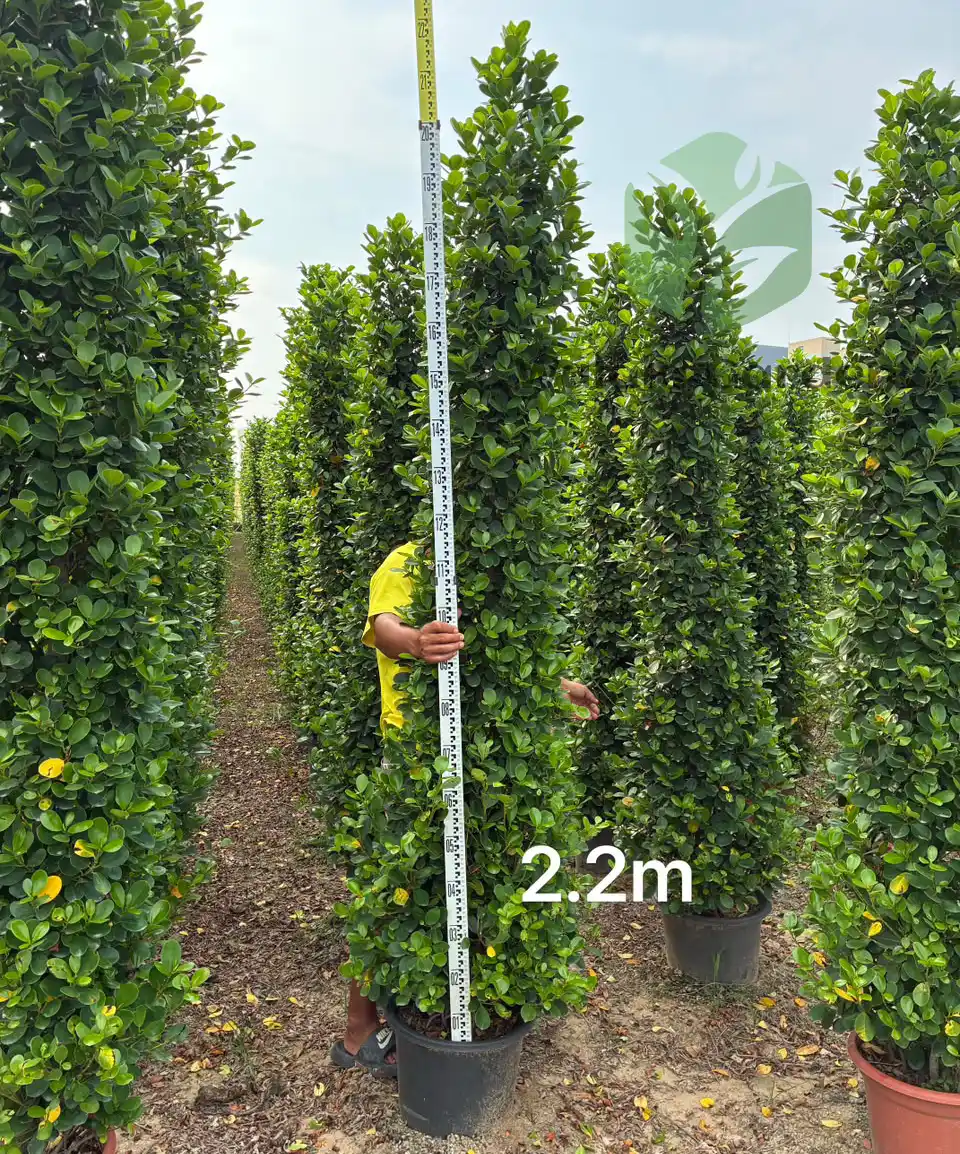
1. What Are the Common Ficus Panda Care Problems?
Yellowing Leaves and Leaf Drop
Yellow leaves and dropping can point at the certain issues with environment of the plant. One of the common reasons is excessive watering as the flooded soil does not allow getting enough oxygen, water, and nutrients. At the same time, under-watering, lack of light, and moved plants may demonstrate such symptoms.
A couple of yellow leaves can appear during the development process. The more alarming symptoms are yellowing of all leaves, constant falling of the leaves or yellowing of them together with constantly wet soil.
Brown Leaf Edges and Curling Leaves
Crispy edges are likely to appear when there is not enough moisture delivered to the leaves by the root system. This is due to either a drought in the soil or the lack of regular watering. In addition, low levels of humidity indoors and high temperatures can cause more moisture evaporation from the leaves.
It is incorrect to regard curling leaves as an indication of dehydration, since if the soil is wet for a few days, there may be some damage to the roots that prevents the plant from receiving any nutrients and water. Changes in soil conditions may indicate potential leaf problems in Ficus panda.
Slow Growth and Weak New Shoots
The slow growth of the plant may occur due to insufficient lighting, temperature issues, and poor root quality, as well as a natural seasonal change when there are fewer daylight hours. If the new shoots become thinner or elongated, one may assume that there is not enough light.
The lack of nutrients can be another reason, since if the plants have stayed in poor soil for a long time, they may lack nutrients. At the same time, the use of fertilizer will not help in the case of other problems.
Root Rot and Soil Drainage Issues
The roots need water and oxygen. A water-saturated growing medium limits oxygen availability around the roots, potentially resulting in root rot. The symptoms of root rot in a Ficus Panda include yellowing of the leaves, poor growth, and constant moisture in the potting soil.
Good roots are usually firm, while decayed roots will be soft and possibly have a bad smell. If the pot has no drainage holes, there is an increased risk of root decay, since the water will not drain properly. If the soil is constantly wet for too long, you should check the growing conditions more thoroughly.
Pest Infestations and Leaf Damage
Some pests may find shelter in ficus houseplants. For instance, spider mites leave pale spots or stippling on the leaves, while scales form tiny stationary bumps on the stems and leaves of the plant. Mealybugs will be found as white cotton-like formations on the leaves and stems. Some issues related to pests could be confused with environmental issues, and it is important to examine both sides of the leaves and their nodes and stems.

2. How to Fix Common Ficus Panda Care Problems?
Adjusting Watering Frequency and Improving Drainage
Do not water based on a schedule but according to soil moisture. Moisture of the upper 1–2 inches (2.5–5 cm) of the substrate needs to be established before irrigation. If the upper layer is still moist, it means that watering is not needed at the moment, although it is necessary to check it again later; otherwise, check the rest of the layers to determine whether irrigation is needed or not.
To optimize irrigation:
- Choose a planter with properly functioning drainage holes.
- Do not keep the root ball in wet substrate constantly.
- Check soil moisture often in conditions of heat and abundant light.
- Decrease irrigation during the slowdown period when the substrate dries slowly.
This way, root conditions will be optimized, and problems with irrigation of Ficus Panda will be less frequent.
Optimizing Light, Temperature, and Humidity
Position the plant next to a window receiving bright, indirect light. Light morning rays are fine, but strong afternoon light may damage the leaves, especially when the plant is not hardened off. Rotate the pot from time to time for better development.
The acceptable range of indoor temperature is around 18–27°C (65-81°F). Protect the plant from cold drafts, heat from radiators, and temperature fluctuations. Average indoor humidity is acceptable; however, dry air may lead to browning at the edges of the leaves. When your Ficus Panda has just been transferred, do not change its position frequently. Let it adapt to the new conditions and see how new leaves appear.

Improving Soil Conditions and Repotting When Necessary
Use a loose and well-drained potting mix that can retain moisture but not too much water. For example, a mixture of good potting mix with perlite or fine bark will be perfect.
Repotting should occur when roots are very cramped, the growing medium is poor, or the plant does not drain even after you have changed the watering schedule. It is necessary to choose a pot that is just a little bit bigger than the root ball of the plant and has enough drainage holes. A pot that is bigger will have much soil, which will be unnecessary and can become too wet for the plant.
If there are symptoms of root rot, it is necessary to uproot the plant and cut off all the soft and dead roots with sterilized tools and then repot it.
Identifying and Treating Common Houseplant Pests
Take a look at the leaves and stems, particularly where leaves attach to branches. It is also important to isolate any infected plant from other indoor plants to prevent pest infestation.
In case of minor infection, wash the leaves with water and manually pick up visible pests if possible. In case of a more serious infection, spray an insecticidal soap or other pesticides recommended for your particular pest and plant. Read and follow all instructions carefully, including how often to apply the product.
Recheck your Ficus Panda every 5–7 days when treating the pests. Certain pests have a multi-phase life cycle and will need several applications of the products to kill the whole generation of pests. Do not apply the pesticide in bright sunlight or under wrong conditions.
Establishing a Consistent Care Routine
It is easier to prevent the problem if it is detected in time. A weekly check will be sufficient to detect some issues in time to solve them. Pay attention to the soil, check new growth, look for any insects, and pay attention to light and temperature changes that could occur.
| What to check | Practical guideline |
| Soil moisture | Check the upper 1–2 inches (2.5–5 cm) before watering |
| Light | Provide bright, indirect light |
| Temperature | Aim for approximately 18–27°C (65–81°F) |
| Drainage | Ensure excess water can escape freely |
| Foliage | Inspect both leaf surfaces and young stems weekly |
Write down some notes if the same symptoms appear again. It is possible to see some patterns from watering dates and leaf changes, which may not be easy to detect with just one check. Try not to change several factors of care at once, since gradual changes will help you figure out what helps to improve the health of the Ficus Panda.

3. Conclusion
Most care problems of Ficus Panda can be solved if the cause of the problem is determined. Yellow leaves, brown leaf edges, poor growth, problems with roots, and pests are all different problems. By checking the soil moisture level, drainage, providing proper lighting, and regularly checking the foliage, you can ensure better conditions for the plant. If you need any advice on how to take care of your Ficus Panda or have any plant problems, please contact us.