
Cycas Revoluta is a beautiful ornamental plant that stands out for its unusual tropical look, high adaptability, and longevity. This plant, with its dark green feathery leaves and perfect structure, has gained wide popularity as an ornamental plant for gardens as well as for flower collections at home. Although it may appear to be a lot like the palm tree, the plant is in fact a cycad and has existed on Earth for millions of years.
If compared with other ornamental plants, the Cycas Revoluta is not a difficult one to take care of and is able to adapt to any environment. However, the right combination of such factors as sunlight, soil type, irrigation, and temperature is needed for successful growth of this plant.
1. What Is a Cycas Revoluta?
Unique Features of Cycas Revolutas
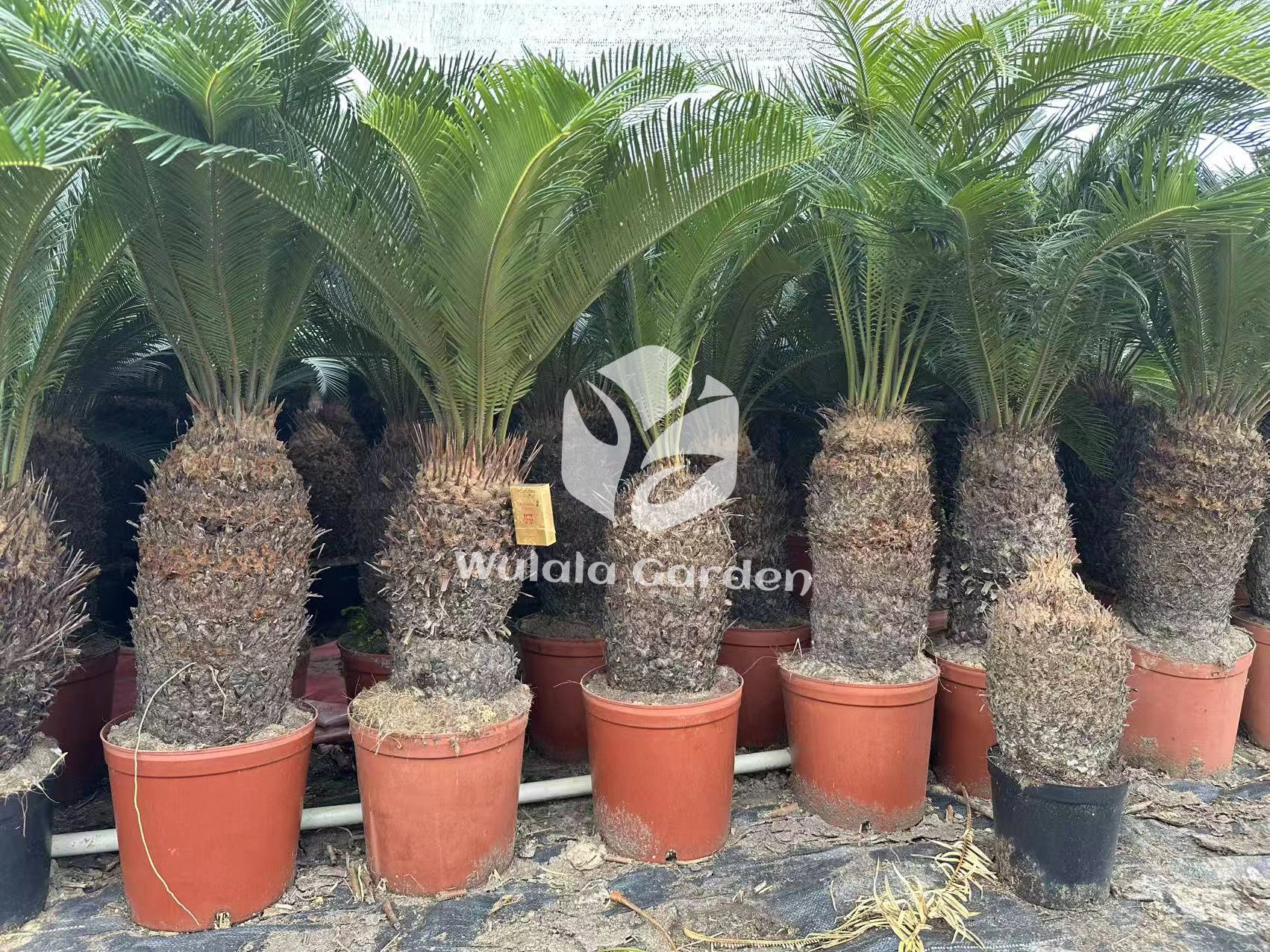
The Cycas Revoluta is an evergreen gymnosperm that originally comes from areas of Asia characterized by a hot climate. Unlike ordinary flowering plants, the cycads are reproduced through cones and have an extremely slow cycle of growth.
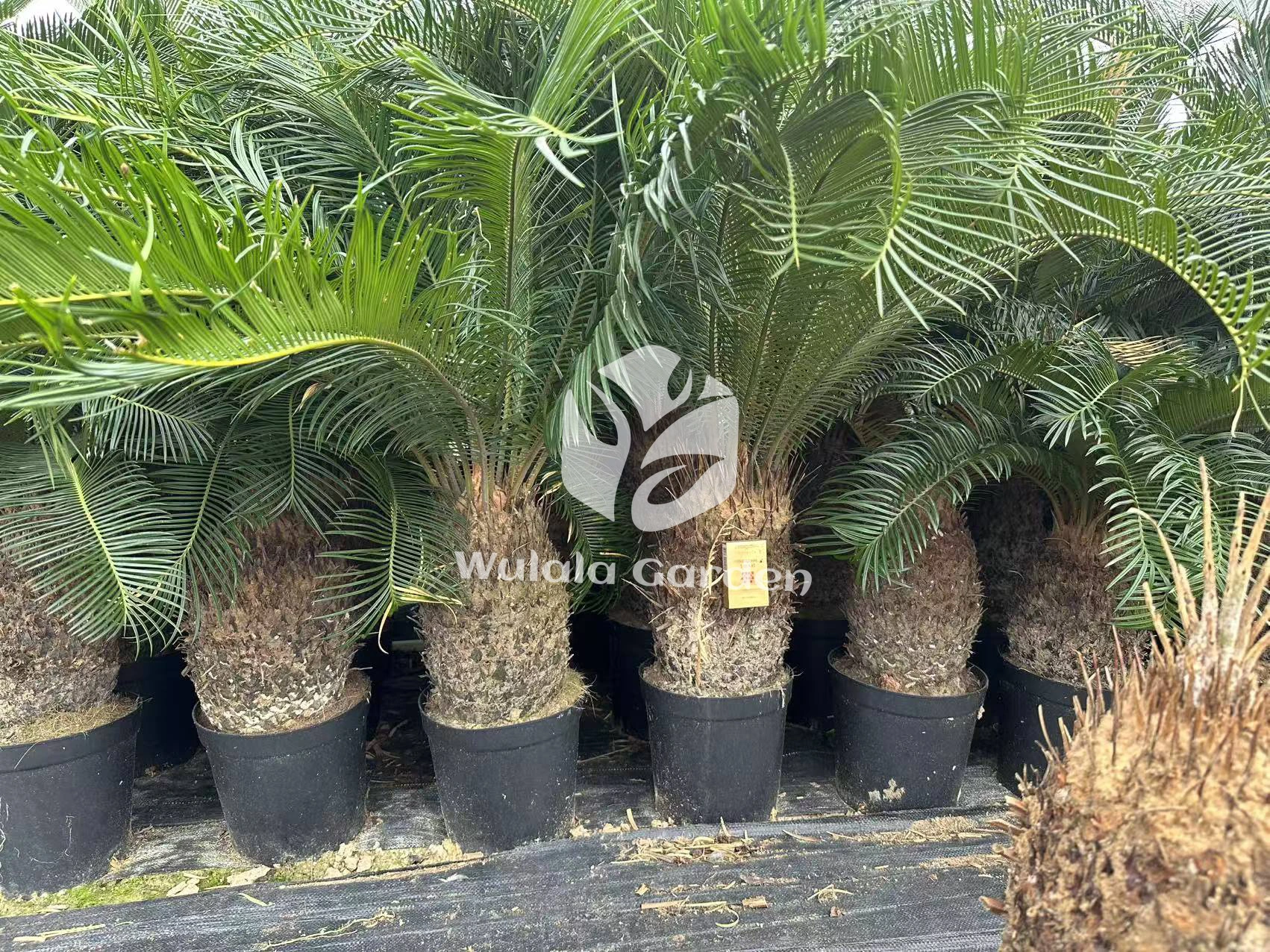
The fully grown plant has a trunk of considerable thickness with a head covered with dark green, stiff leaves. Under favorable conditions, the plant grows up to 1 to 3 meters. If taken care of properly, the plants can live for many years, being a permanent element of garden decoration.
Despite the similarity in appearance to palm trees, the Cycas Revoluta is botanically a different plant. The old-style appearance of the plant is what attracts people to landscaping with it.
Why Is Cycas Revoluta Popular?
Some of the reasons that make this plant a gardener’s choice include the following:
- Low maintenance: It needs little or no maintenance.
- Drought tolerance: It is drought-resistant since it can store water due to its natural structure.
- Long lifespan: The plants live as long as they are healthy.
- Decorative value: It makes beautiful landscapes since it has symmetrical leaves.
These qualities make it suitable for both experienced gardeners and beginners.
2. Are Cycas Revoluta Easy to Grow?
An Easy-to-Grow Plant With Simple Requirements
On the whole, the Cycas Revoluta plants can be described as easy-to-grow plants because of their ability to thrive in various conditions. Such plants suit perfectly those people who would like to grow an appealing plant without making much effort to take care of it.
One of the most important features of the plant is its drought tolerance. As opposed to other plants which need frequent watering, the sago palms thrive without water for quite some time. It should be noted that even low maintenance doesn’t mean the neglect of the plant.
Common Challenges When Growing Cycas Revolutas
Slow Growth Rate
An important feature of this plant is the slow rate of growth. In perfect growing conditions, a Cycas Revoluta will produce only one new flush of leaves each year.
While this can be frustrating for those seeking immediate gratification in their gardening efforts, this slow rate of growth also allows the following advantages:
- Less frequent pruning is needed.
- It retains its shape for quite a while.
- It is suitable for long-term landscape designs.
Patience is essential when growing this type of plant.
Incorrect Watering
Overwatering can be said to be one of the mistakes made by beginners in gardening. Although plants require water for their survival, excessive water in the soil may have adverse effects, including causing infections such as root rot.
A good watering routine includes:
- Water only when the top 5 centimeters of soil have dried.
- Decreasing watering during winter.
- No standing water in the pots and planting areas.
3. Basic Growing Requirements for Cycas Revoluta
Sunlight Requirements
Light is critical for the sustenance of healthy growth. Cycas revoluta flourishes in sunny environments and must have at least 4 to 6 hours of sunshine each day.
For outdoor planting:
- Morning light is fine.
- Extreme heat protection in the afternoons could be required in hot locations.
For indoor growing:
- Make sure that the plant is located near a sunny window.
- Avoid areas that are dark.
The absence of sunlight may result in yellowing and slow growth of the plant.
Soil and Drainage Needs
The sago palm needs loose soil that can drain easily compared to compact soil. The drained soil ensures that there is no excess moisture to affect the roots negatively.
An ideal soil mixture may include:
- Sandy soil for drainage purposes.
- Organic compost for nutrient provision.
- Perlite, among others, for aeration of the roots.
The soil must hold enough moisture in it for the roots to grow well but must be able to drain excess water.
Temperature and Climate Conditions
The ideal temperature range for Cycas revoluta is from 18°C to 30°C. High temperatures favor growth, while low temperatures hinder growth.
When temperatures fall below 10°C for an extended period of time, the leaves get damaged. Gardeners in colder regions may avoid such damage by:
- Moving potted plants indoors.
- Using protective covers.
- Reducing watering during winter.
Fertilizing Tips
Even though the Cycas Revoluta is not a heavy feeder, there may be a need to fertilize occasionally for better leaf production and growth.
The following tips are recommended:
- Feed plants with slow-release fertilizer every two or three months during the growing season.
- Nitrogen- and potassium-based fertilizers should be used.
- Over-feeding should not be done.
Feeding plants with too much fertilizer may harm their roots.
4. Common Problems and Solutions
Why Are Sago Palm Leaves Turning Yellow?
Yellow leaves are among the most common worries of growers. Possible causes include:
- Too much water.
- Poor lighting conditions.
- Nutrient deficiencies.
- Natural aging of older leaves.
If only the oldest lower leaves turn yellow, it is usually part of the plant’s natural cycle. In any case, yellowing throughout the plant can be a sign of stress.
Why Is My Sago Palm Growing Slowly?
This is actually the norm for the plant. Whereas many tropical plants grow quickly, cycads develop slowly and take many years to create a large trunk.
Conclusion
The characteristics like tolerance towards almost all kinds of climates, resistance against droughts, and less maintenance requirements of the Cycas revoluta are what make them ideal for cultivation for new as well as experienced cultivators of plants.
The major requirements for the proper growth and development of these plants include adequate sunlight, good soil, adequate water supply, and ideal temperature. In spite of their slow growth process, the distinctive features and long life make them highly demanded by gardeners.
In case of any concerns regarding growing and taking care of Cycas revoluta, feel free to contact us. We will be more than happy to assist you.