
With such beautiful forms, abundant foliage, and high adaptability, the ligustrum topiary trees have proved to be an ideal selection for gardens, commercial landscapes, and outdoor decorations. Though many people have an interest in growing such trees, they always ask: how hard is it to maintain the tree after its professional shaping?
Fortunately, the answer is no. If you can properly take care of it, these trees will not be too difficult to deal with compared to other ornamental trees.
1. What Are Ligustrum Topiary Trees?
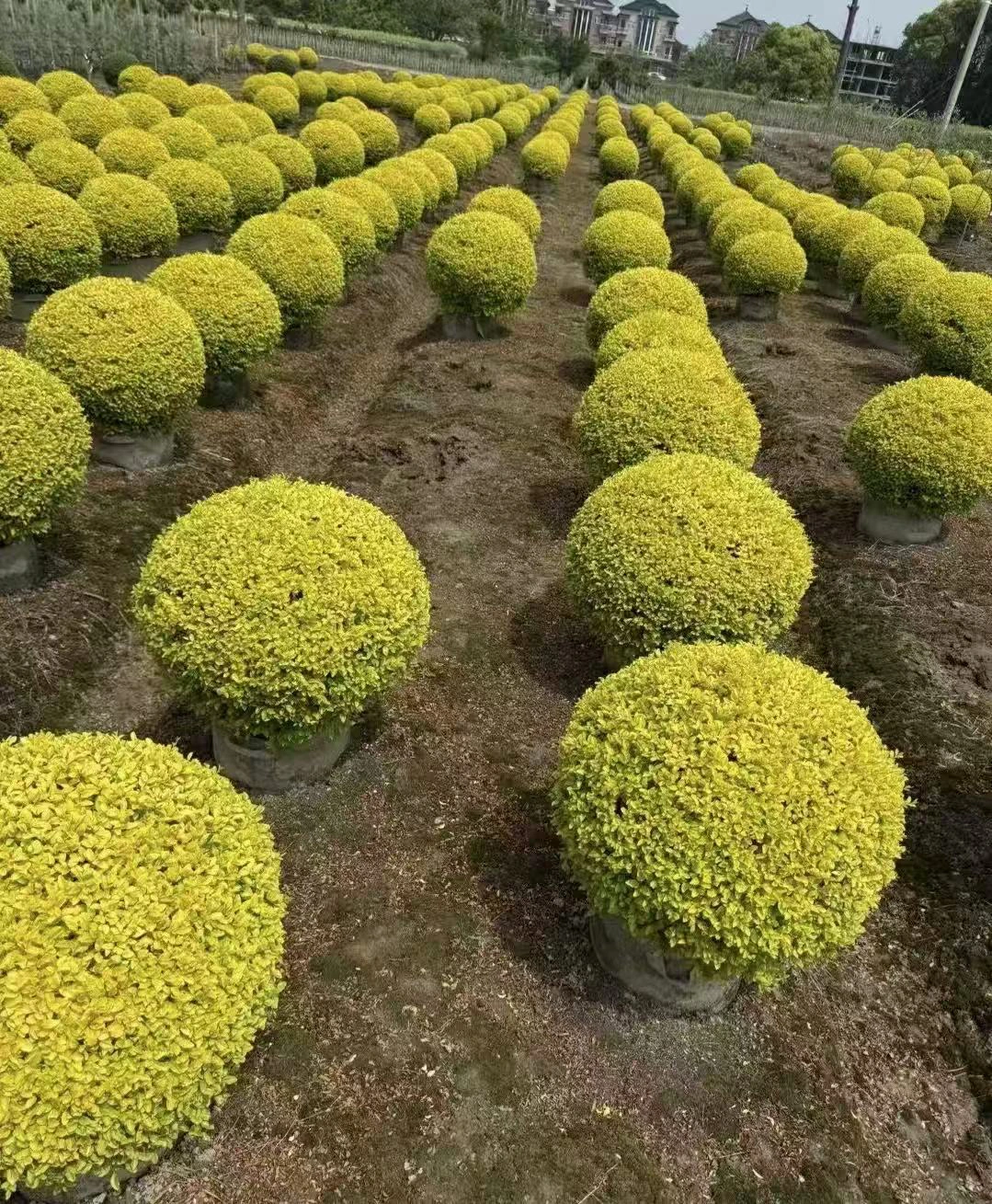
Ligustrum topiary trees are ornamental plants that are created via certain cultivation and pruning techniques for privet shrubs. The Ligustrum species belongs to the Oleaceae family and is known for its abundant branching, small leaves, and strong vegetative qualities.
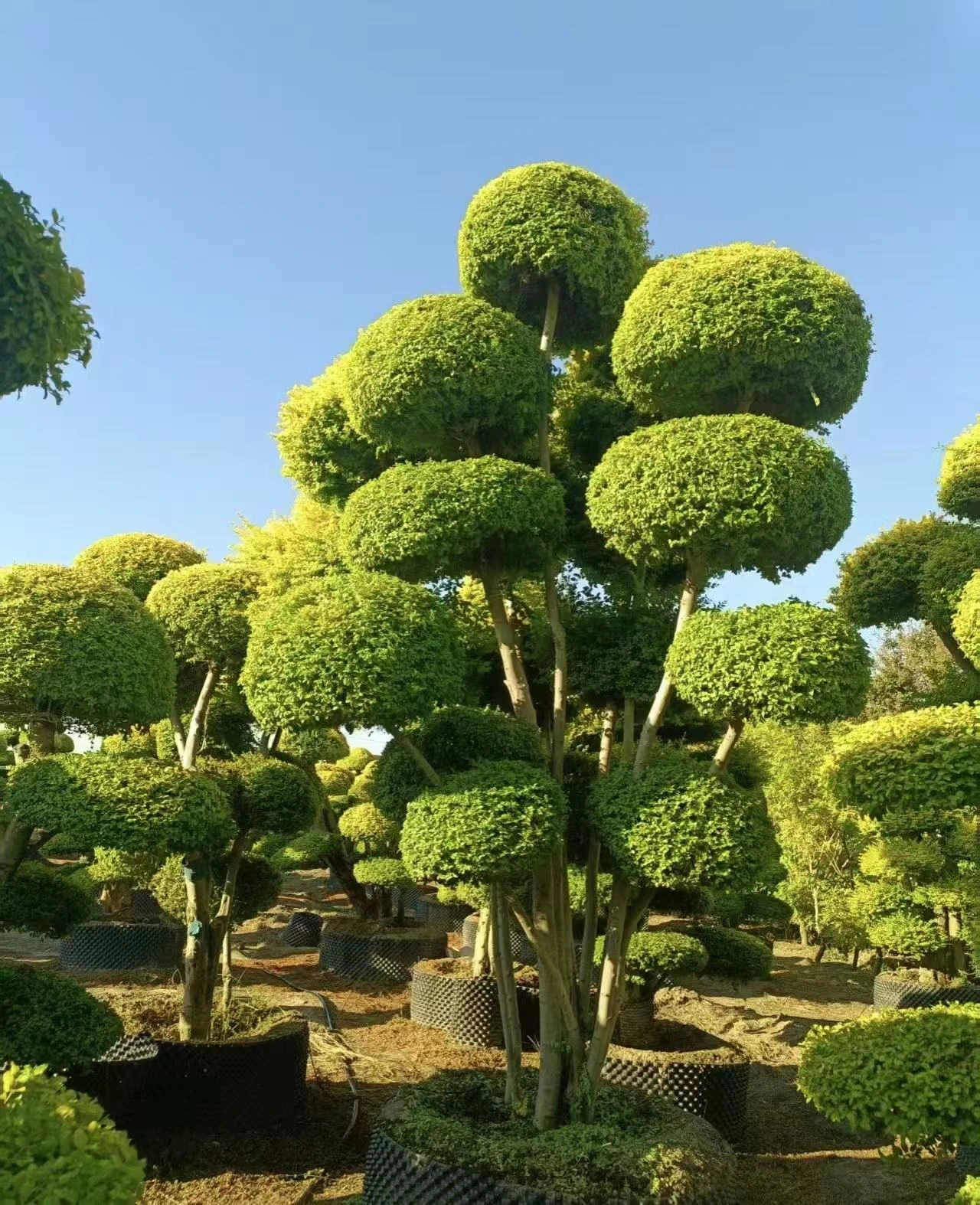
Unlike other shrubs, these trees are cultivated to have special forms and shapes that are dependent on their pruning type. They may become beautiful decorations of gardens, entrances, patios, and other places of their cultivation in commercial use.
Most grown-up plants grow to a height of 1.5–3 m, depending on the particular variety, growth conditions, and pruning technique. They can be grown in various soils and climates.
2. What Shapes Can Ligustrum Topiary Trees Have?
Another significant advantage of ligustrum topiary trees is the possibility of using them to create different artistic shapes due to professional trimming.
Lollipop Shape
This shape is one of the most popular among other topiary options. It consists of a straight tree trunk and a round-shaped tree crown.
This type is used mostly at garden entrances and around the path. In order to keep the tree perfectly round, some light trimming is required every three or four months.
Crescent Shape
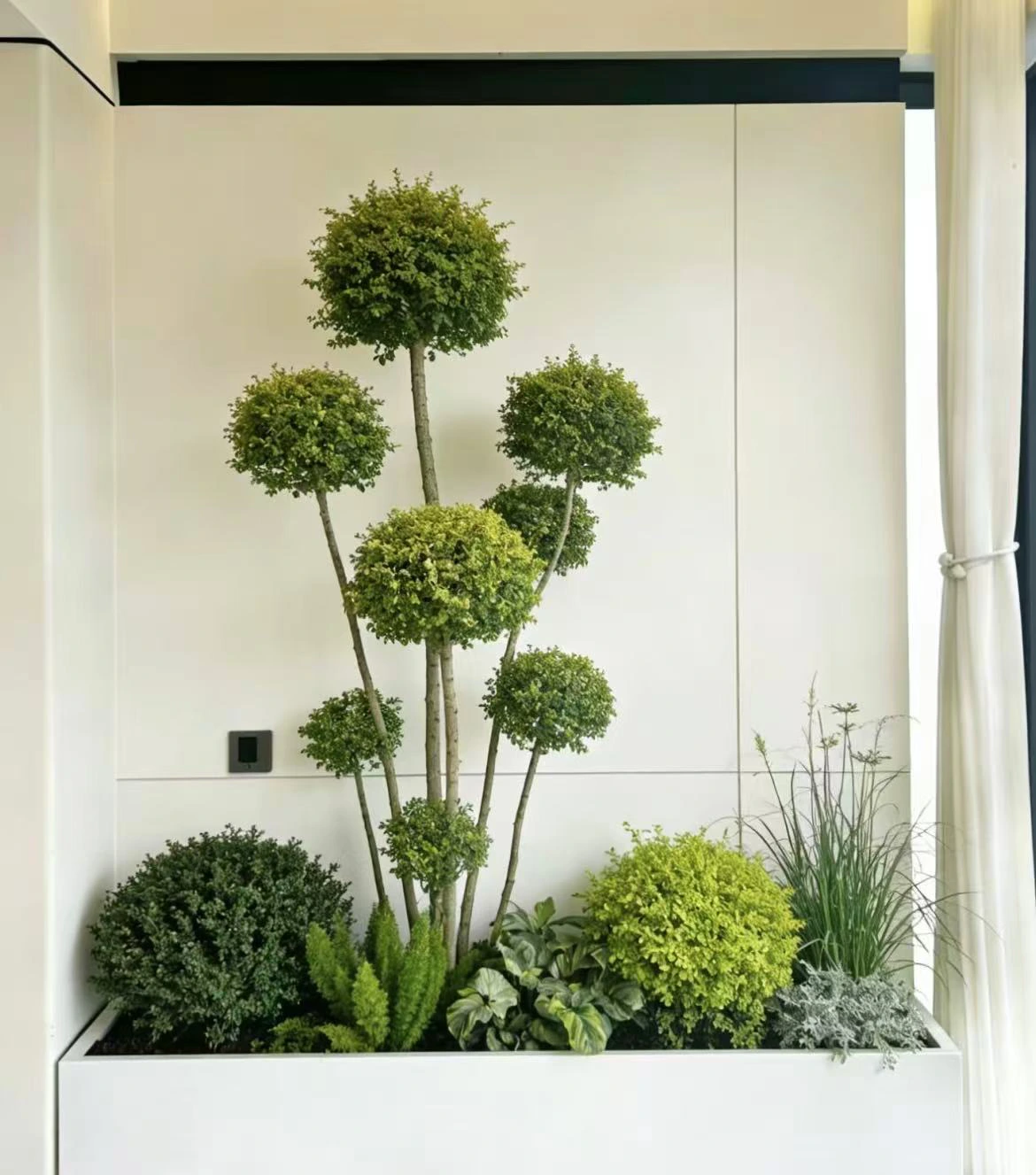
The creation of a crescent shape is done through careful control of branch growth. As compared to regular round designs, this option provides a more artistic view and is often used in modern landscape design.
Since the process of trimming is much more complicated, this kind of topiary tree is often applied in luxurious gardens, hotels, and landscape projects.
Ball and Cone Shapes
Among many different shapes that are offered by topiary trees, ball and cone shapes are the most popular. The ball shape looks more balanced; thus, it is preferred for use in residential gardens.
3. Are Ligustrum Topiary Trees Easy to Maintain?
Overall, the ligustrum topiary trees can be considered low-maintenance landscape trees owing to the adaptability of the trees, as well as their regenerative abilities.
High Environmental Adaptability
The main reason why these plants are quite flexible in terms of growth is that they can grow in sunny as well as partly shaded environments. Nevertheless, it is worth saying that the plants need at least 4-6 hours of sun per day.
Speaking about the soil, these plants have relatively low requirements, and this means that they should be planted in soils that will drain well.
Excellent Pruning Recovery
Ligustrum topiary trees are also favored by landscape designers because of their high tolerance to cutting. Such a tree can form new buds quickly despite repeated pruning and retain its fullness and good appearance.
Generally, plants should be pruned twice or three times a year in order to get the best results. Pruning allows for thickening branches and keeping the topiary form of plants.
Minimal Daily Maintenance Needs
After planting, ligustrum trees are easy to take care of. Adult ligustrum trees have average drought resistance and require irrigation twice or once a week, depending on climatic conditions.
Also, fertilization will help plants to grow well. The application of a slow-release fertilizer twice or three times a month during the period of active growth will ensure bright foliage and strong branches.
Suitable for Different Gardeners
Because of their manageable care requirements, these trees are suitable for:
- Homeowners who want an elegant garden feature;
- Businesses needing attractive and durable landscape plants;
- Beginners looking for easy-care ornamental trees.
However, low maintenance does mean no maintenance. Regular pruning and basic care are still necessary to keep the plant looking professional.
4. How to Care for Ligustrum Topiary Trees?
Watering Effectively
Trees that have just been planted require adequate moisture so that they may develop healthy roots. When the tree matures, watering needs to be done according to the environment in which the tree is.
This can be achieved by ensuring that when the top 3 to 5 centimeters of soil becomes dry, the tree is watered.
Maintaining Shape with Pruning
Pruning is vital for both the looks and growth of plants. This is because:
- Remove overgrown branches;
- Keep the desired shape;
- Improve air circulation inside the canopy.
It will be more compact and more attractive if the topiary is properly maintained.
Prevention of Common Problems
However, despite being highly resistant to diseases, the plant may be affected by problems like aphids, scales, and fungi during the warm and humid seasons.
Inspecting the leaves and pruning diseased branches will prevent any problems.
Conclusion
The ligustrum topiary trees are among the best choices for those individuals looking for beautiful yet easy-to-maintain plants for landscaping purposes. These trees can easily be planted as lollipops, crescents, balls, or cones to beautify any outdoor location.
Ligustrum topiary trees will remain beautiful for many years provided that they are well exposed to sunlight, watered, and well trimmed. If you have any questions concerning the purchase and planting of the ligustrum topiary trees, feel free to contact us anytime. We shall be willing to offer our professional services.